
How Modern Access Control Is Reshaping Physical Security in the UK
Physical security has evolved significantly over the past decade. Organisations across the UK are moving away from traditional lock-and-key systems and adopting smarter, more flexible solutions that offer better control and visibility over who enters their buildings and when.

Understanding the Role of Access Control in Today’s Buildings
An Access control system allows organisations to grant or restrict access based on predefined rules, using credentials such as key cards, PIN codes, or biometric data with the latter made possible through reader devices like fingerprint scanners.
Managing who can access specific areas of a building is a fundamental part of any security strategy. Whether it concerns a single office or a multi-site facility, controlling entry points reduces the risk of unauthorised access, theft, and safety incidents. An Access control system allows organisations to grant or restrict access based on predefined rules, using credentials such as key cards, PIN codes, or biometric data.
It is not just a simple door entry that is modern. They are embedded in other systems within the building, they produce audit trails, and they enable administrators to remotely manage permissions in real time. This gives them a high level of flexibility, and so they can be deployed in a wide range of environments such as corporate offices, healthcare facilities, logistics centres, and educational campuses.
What Organisations Should Look for in a Security Platform
Quantifying the features on a specification sheet is not enough to select the correct platform. Organisations require a solution that is scalable and compatible with current infrastructure and can contribute towards compliance requirements, like the GDPR and industry-specific regulations.
An important consideration is that of openness. Numerous legacy systems are closed and proprietary, and it is hard to integrate new technologies or move providers without incurring high costs. Open architecture platforms provide organisations with the liberty to mix hardware and software of various vendors, which makes organisations not reliant on one supplier.
Centralised management is equally important, especially for organisations with multiple locations. Nedap Security Management is a platform that supports this kind of centralised, flexible approach, enabling security teams to manage access rights, monitor events, and respond to incidents from a single interface.
Trends Driving Change in Physical Security
Several trends are affecting the way organisations are thinking about physical security today. The use of cloud-based management is on the rise since it will lessen the amount of workload on the internal IT team and simplify remote management. Mobile credentials are also on the rise, where employees can use their smartphones as access tokens, rather than physical cards.
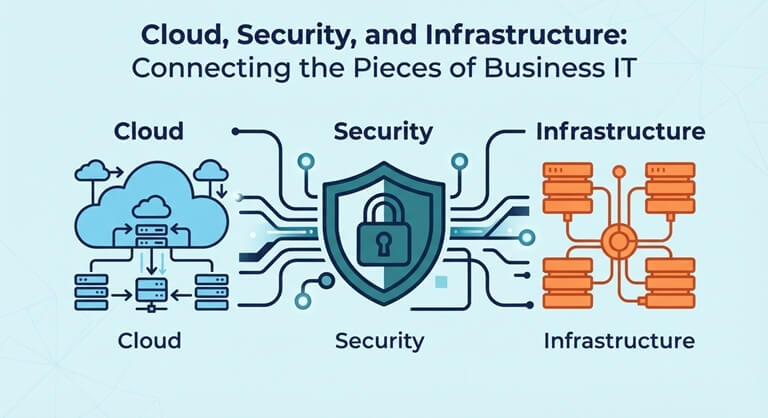
Another trend that is gaining momentum is the integration of physical security and cybersecurity. With more connected buildings, the line between digital and physical threats is becoming more obscure. Security teams are seeking platforms that can assist them in integrating data of access logs, video systems, and network activity into a consistent overview.
The issue of sustainability is also beginning to play a role in purchases. Green hardware and software that maximise building utilisation are gaining favour among organisations that have environmental objectives.
Physical security is no longer an issue in isolation. It lies at the crossroads of technology, compliance, and operational efficiency. Strategic organisations are more equipped to safeguard their individuals and assets, as they have a strategic approach to their security infrastructure.
Popular on OTW Right Now!


About The Author

Gagan Bhangu
Founder of otechworld.com and managing editor. He is a tech geek, web-developer, and blogger. He holds a master's degree in computer applications and making money online since 2015.