
How MSSP Saskatchewan Provides Professional Managed Security For Remote Work Environments
Remote work has transformed the way organizations are run, yet it has led to a new set of security problems that are hard to manage without professional assistance. The visibility decreases, and the risk increases when employees use their systems through home networks, personal devices, and public connections.
This has led to businesses having a hard time keeping consistent security controls, slow detection of threats, and insufficient internal controls to keep track of activity 24/7. A single unsecured endpoint can lead to expensive data breaches, compliance lapses, and downtime.
To cope with these increasing concerns, organizations are resorting to managed security services that offer round-the-clock protection to distributed teams. This article describes the method by which MSSP Saskatchewan provides professional managed security that is specifically created to safeguard remote work setups and mitigate the current cyber risks in the most effective way.
1. Localized 24/7 Threat Monitoring of Remote Work Environments
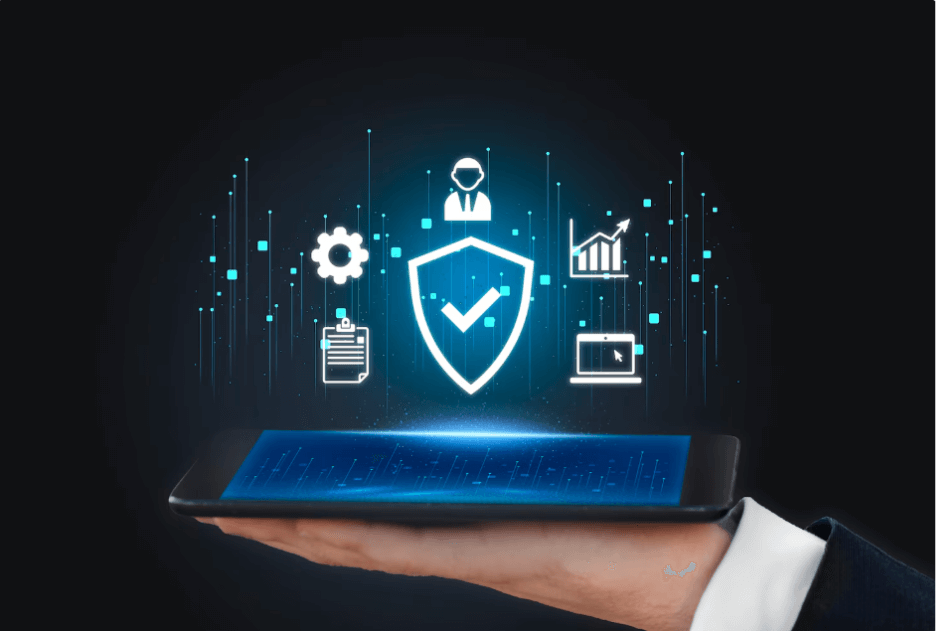
Remote teams throughout Saskatchewan frequently utilize home networks and distributed infrastructure, making it challenging to maintain continuous visibility. The conditions contribute to the risk of unnoticed intrusions, latent response, and unreliable security coverage.
In response to this local issue, MSSP Saskatchewan provides 24/7 threat monitoring solutions tailored to remote work settings. This will provide security oversight that is consistent, irrespective of the location of the employee and the quality of the network.
It also enables organizations to have control over remote access points without the need to complicate operations. Through constant monitoring of network activity and terminal behavior, threats are identified early as opposed to when they have already caused damage.
Such proactive surveillance facilitates quicker containment of suspicious behavior, less downtime, and increases the overall security stance. Consequently, organizations have reliable security without interfering with remote productivity.
2. Integrated Protection Across Multiple Systems
Remote work implies a combination of company-provided laptops, personal ones, tablets, and phones connected to sensitive systems. Any device is a possible entry point for cyber criminals, particularly in the absence of standardized protection.
Managed security services introduce centralized visibility and control to this diverse environment with practices such as Endpoint Management and Mobile Device Management (MDM).
Organizations can guarantee that all devices are compliant and secure by ensuring that they have the right security policies in place, such as the use of encryption, passwords, multi-factor authentication, and patching, before they can access corporate networks.
These controls greatly minimize attacks when users have access to the network through uncontrolled or high-risk environments. This centralized solution makes it easier to manage and reduce configuration errors and establishes a security base throughout the entire remote workforce – no matter where the workers are.
3. Advanced Threat Intelligence and Vulnerability Management
The current cybersecurity needs are more than just firewalls and antivirus programs. The type of threats is changing every day, as advanced phishing attacks, zero-day exploit kits, and ransomware waves are becoming more and more common.
This is why professional MSSPs combine high-end threat intelligence and vulnerability scanning into their service portfolio. These features keep on collecting insights through global threat feeds, dark web reconnaissance, and behavior-based analytics. By matching this data with millions of signals, MSSPs are able to identify new attack methods, find new vulnerabilities, and predict risks before they grow.
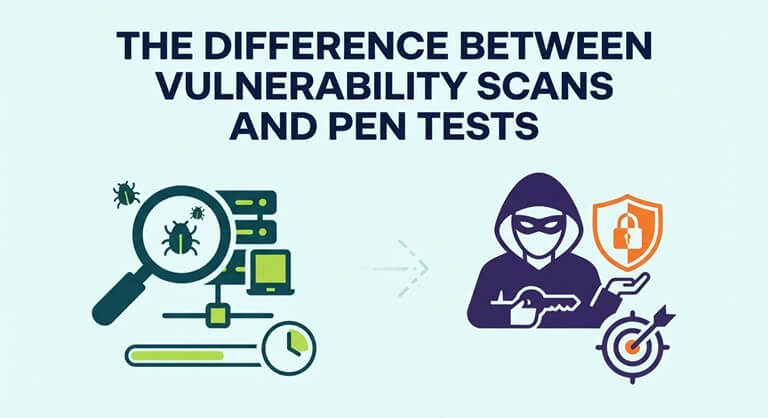
Besides, in-depth vulnerability testing and penetration testing enable teams to know areas that are weak in systems and address them before attackers can exploit them. Not only does this proactive stance enhance remote work security, but it also enhances long-term resilience to emerging threats.
4. Security Awareness Training for Remote Teams
Even the best technology stack can be undermined by human error, and phishing remains one of the most common entry points for attackers. With remote workers isolated from traditional office reminders and peer reinforcement, awareness training becomes essential.
Security awareness programs educate employees about common threats like social engineering, deceptive emails, suspicious links, and credential harvesting tactics. Through simulated phishing exercises and practical guidance, remote teams build the skills to recognize red flags and make smarter security decisions.
This kind of training turns employees into a frontline defense, lifting organizational security maturity and dramatically reducing the risk that human mistakes lead to breaches.
5. Scalability and Cost Efficiency for Growing Organizations

As your remote workforce grows, so does your attack surface and security complexity. Hiring and retaining a full in-house cybersecurity team capable of managing advanced defenses can be prohibitively expensive for many organizations. That’s where an MSSP strategy shines.
By leveraging shared security infrastructure and expert teams, organizations gain access to enterprise-grade tools, specialist skills, and ongoing support at a fraction of the cost. Service Level Agreements (SLAs) clearly define response expectations, giving companies a predictable, budget-friendly cybersecurity model that evolves with their needs.
Plus, managed services scale seamlessly, meaning additional endpoints, new cloud integrations, or emerging threat vectors can be accommodated without costly internal hiring or infrastructure overhaul.
Final Thoughts
Securing a remote work environment requires more than isolated tools or periodic check-ups; it demands continuous visibility, expert analysis, and coordinated defense mechanisms tailored for a distributed workforce.
Through proactive monitoring, unified policy enforcement, advanced threat intelligence, and strategic training, managed security services create a resilient framework that protects modern businesses from ever-present cyber risks.
By adopting a structured and expert-driven approach, MSSP Saskatchewan enables organizations to stay secure without overwhelming internal teams, delivering scalable defenses that adapt as threats and workforce needs evolve.
With these capabilities in place, teams can work from anywhere with confidence, knowing their digital operations are safeguarded at every level.
Popular on OTW Right Now!
About The Author

Gagan Bhangu
Founder of otechworld.com and managing editor. He is a tech geek, web-developer, and blogger. He holds a master's degree in computer applications and making money online since 2015.