AI-powered robotics is becoming more accessible to small manufacturers because improvements in sensors, machine vision, software, and robot programming are making flexible automation easier to deploy. NIST specifically
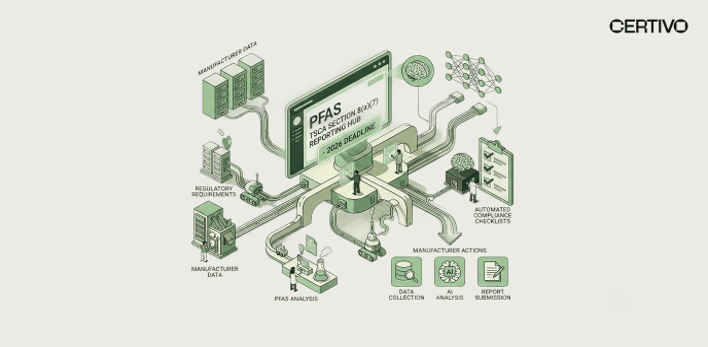
EPA has postponed the start of the TSCA Section 8(a)(7) PFAS reporting period. Under EPA’s April 9, 2026 update, the reporting period will begin 60 days after the
Rising bulk freight costs can increase a manufacturer’s delivered raw-material cost even when the supplier’s quoted material price stays unchanged. Manufacturers should therefore treat freight as a contract
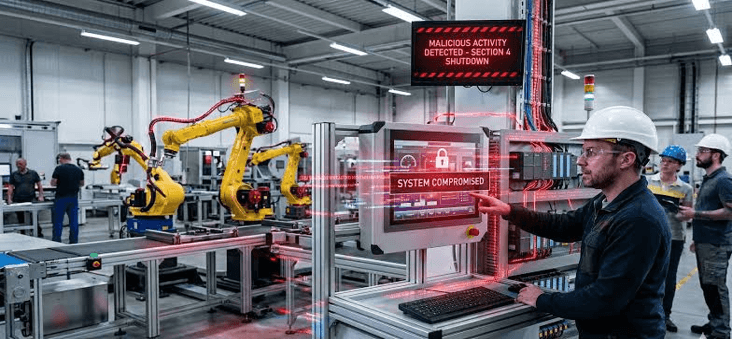
Small manufacturers need an OT security strategy because production equipment, PLCs, HMIs, SCADA systems, industrial networks, and connected machines can create cyber risks that traditional IT security does
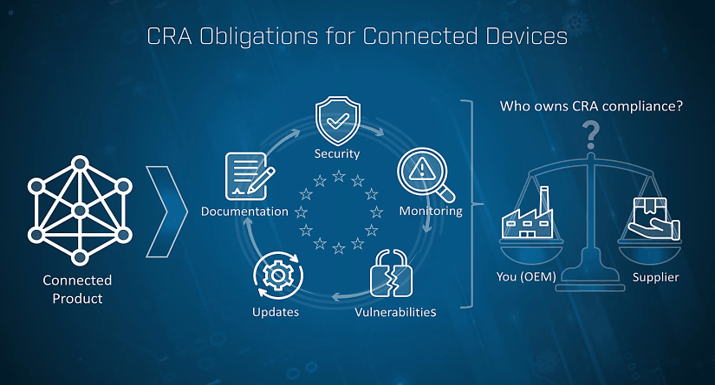
The Cyber Resilience Act (CRA) requires manufacturers of products with digital elements placed on the EU market to address cybersecurity across the product lifecycle, including secure development, vulnerability
ITAR training is export-control training that teaches employees how to recognize, handle, protect, and report issues involving defense articles, technical data, and defense services regulated by the International
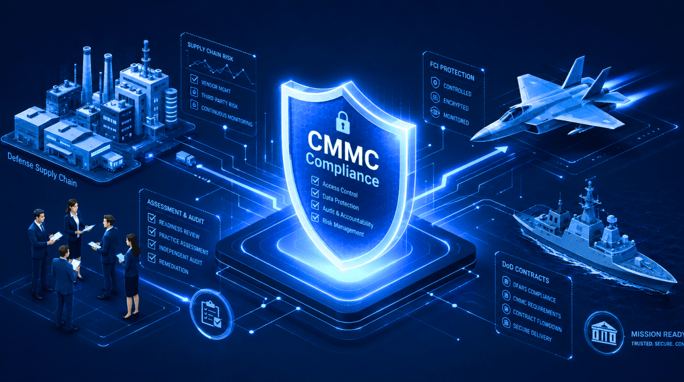
CMMC for small defense subcontractors is a contractual cybersecurity requirement designed to verify that companies protecting Federal Contract Information (FCI) and Controlled Unclassified Information (CUI) have implemented the
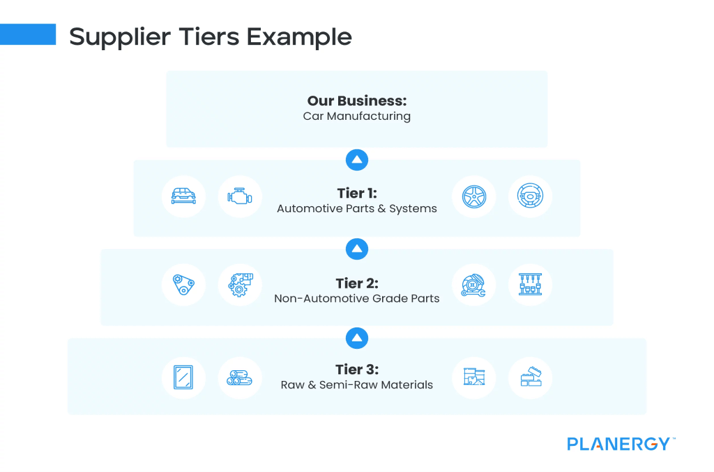
Multi-tier supplier mapping is the process of identifying and connecting suppliers beyond the companies a manufacturer buys from directly, including Tier 2, Tier 3, and deeper suppliers. For