
Digital Sales Rooms That Help Businesses Close Deals
The vast majority of B2B deals don’t fall through due to price. They tend to hang on. Emails get lost, files get out of date and new people come on board and then ask for the same thing all over again.
A digital sales room is the answer to all of those problems as it provides a single shared space for buyers and sellers to manage the deal. This article looks at how it works and why it helps your teams to close more deals.
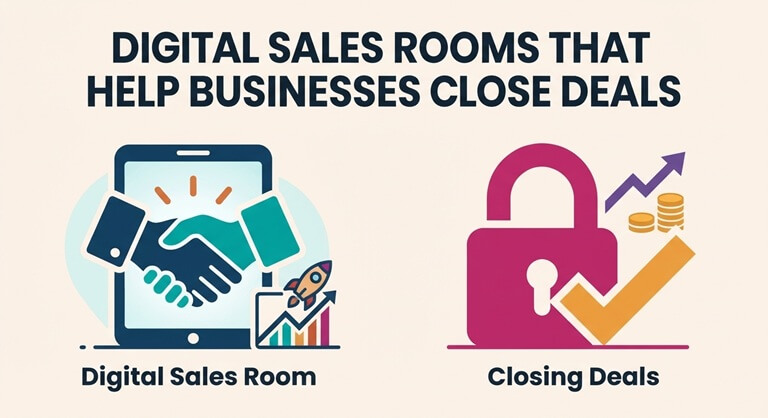
What a Digital Sales Room Is
A digital sales room is a private, branded portal for a particular deal. It’s a place to house all the buyer needs to make a decision (proposals, pricing, demo recordings, security docs, contracts etc) and everything is accessible via a single link.
A good software for digital deal rooms adds tracking and collaboration on top. Sellers see who opened what. Buyers see what happens next. Nobody digs through old threads.
Why Email Chains Slow Deals Down
Email is built for messages not for managing deals. Enterprise deals will involve a number of stakeholders, all of whom will have different information needs. The seller is often left having to go hunting for context across a number of email threads.
Common failure points include:
- Version drift. Buyers have looked at an old quote while the sellers have been revising it last week.
- Zero visibility. The seller has no idea whether the proposal has been read or passed on.
- Champion overload. Your internal contact will have to pass on and explain every file.
- Slow security reviews. Docs come in late and in fragments.
A shared digital room closes those gaps by providing the buyer with one definitive source of information.
Features That Move Deals Forward
Not all features are equally important. The following have the biggest impact:
- Mutual action plan. A shared timeline with the owners and due dates for each step.
- Content analytics. Page views, time on page and download activity by contact.
- Role-based access. Finance sees the pricing. Security see the compliance files.
- Embedded signature. Buyers sign in the room so there’s no handoff to another tool.
- CRM sync. Engagement data writes back to the opportunity record.
- Comments and chat. Questions are answered right next to the relevant content.
How Engagement Data Improves Forecasting
Pipeline reviews are often just down to the salesperson’s opinion. Room analytics give you the real evidence. You can see whether the economic buyer went to the pricing page or whether the legal team actually looked at the terms.
If the buying committee isn’t active the deal is risky irrespective of what the salesperson says. The deal is in a better position when there is more activity from different parts of the committee. Managers can then coach on the basis of actual data rather than just their own instinct.
Sellers also benefit. You get activity alerts so you know when to follow up. A call an hour after a price review is far more relevant and timely.
Supporting Buyers Who Want Control
Buyers now do much of their research alone. Gartner research reports that 75% of B2B buyers prefer a rep-free experience, and 40% of purchases finish without a rep.
The same study throws in a warning: 43% of buyers report high levels of purchase regret after self-service digital commerce. Just 26% report it after rep-led purchases.
The key point is that buyers want independence but they also want guidance. A sales room provides both. The buyer can go and find out the information for themselves and the seller is involved through the action plan and the comments.
Where Rooms Fit in the Sales Cycle
Use the room across the full cycle, not only at the proposal stage.
- Discovery: Share a summary and agreed outcomes from the first call.
- Evaluation: Add demo recordings, case studies and technical documentation.
- Procurement: Upload the security questionnaires, the compliance files and the legal terms.
- Closing: Attach the final quote and signature.
- Handoff: Turn the room into an onboarding space for Customer Success.
How to Run a Pilot
Start with a small test. Pick one segment (e.g. mid-market deals above a certain value). Create a single room template with a standard structure and define your success criteria prior to launch.
Monitor three key metrics: time to first stakeholder engagement, sales cycle length, and win rate versus a control group. Look at these after the first quarter and then tweak the template accordingly based on which pages the buyers are actually looking at.
Integration is key. Ensure the room integrates with your CRM, calendar and email. The sales rep aren’t going to be manually updating another system are they?
Common Mistakes to Avoid
Teams often repeat the same errors:
- Overloading rooms. Buyers skim. Include only what supports the decision.
- Skipping buyer input. Build the action plan with the buyer, not for them.
- Ignoring the data. Analytics only help if managers review them weekly.
Final Thoughts
Digital sales rooms don’t replace sales skills; they just make the process easier. A team that can give the buyer clarity, speed and transparency will close the deal with far fewer surprises. Start with one type of deal, measure the results and then grow from there.
Popular on OTW Right Now!

About The Author

Gagan Bhangu
Founder of otechworld.com and managing editor. He is a tech geek, web-developer, and blogger. He holds a master's degree in computer applications and making money online since 2015.