
Key Features to Include in a Fuel Delivery App for Startups
Fuel delivery apps are becoming more popular in many countries today. People now prefer fast and convenient services that save time and reduce travel efforts. Fuel delivery apps allow users to order fuel directly to their location using smartphones.
These apps can be used in personal cars, businesses, logistics, construction, and emergency fuel needs. No long lines at fuel stations, and fuel is available anywhere customers need it.
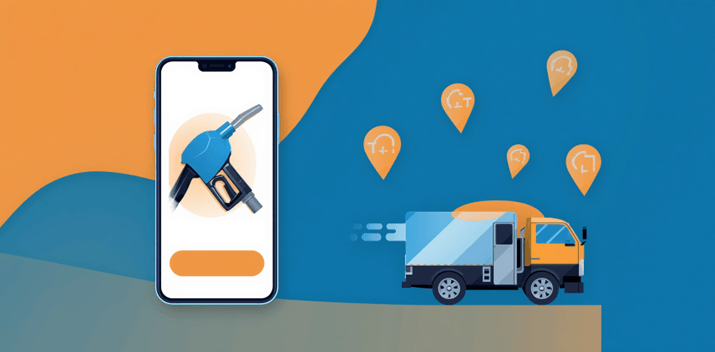
The demand for on-demand services is growing, and fuel delivery app development is one of the major investments made by startups. But the successful fuel delivery platform must be equipped with all the essential features, robust security, and seamless operations.
Today’s consumers have high expectations for instant tracking, secure payment options, fast delivery, and hassle-free booking processes. Additionally, tools for fuel delivery operations will require fleet management, route optimization, customer support, and order tracking.
Why Fuel Delivery Apps Are Growing Rapidly?
The fuel delivery industry is expanding as people look to be more convenient and get things done more quickly. Now people would rather order services online than go to a physical place.
Fuel delivery apps really make life easier for users and save a lot of time by delivering fuel right to their homes, offices, parking areas, or business premises. This can be particularly handy during emergencies or when you’re busy.
Large fleets of vehicles can also be a benefit to businesses with fuel delivery services. Fuel delivery companies, transportation firms, and logistics firms can run their fuel operations more efficiently.
Similar to how fuel delivery app development services focus on user convenience and real-time access, fuel delivery businesses are also improving customer experiences through mobile technology.
Top 10 Features for Fuel Delivery Apps
Many startups are entering this market because on-demand fuel delivery creates strong business opportunities in modern cities. Let’s discuss the top features below.
1. User Registration and Profile Management
One of the most crucial features of a fuel delivery app is simple user registration. Customers should be able to sign up easily with a phone number, email address, or a social media login.
Simplified onboarding enhances user experience and lowers app drop-offs during sign-up.
Users can save their personal details, delivery addresses, vehicle information, and payment details securely using profile management capabilities.
The businesses will also be able to use profile data for their personalized offers and for growing customer engagement over time.
2. Fuel Ordering and Scheduling Features
The primary function of a fuel delivery app is to enable the user to place fuel orders easily. Ordering should be digital, quick, and easy to use.
Users should be able to choose the type of fuel, its quantity, the place it’s delivered to, and the time of delivery directly in the application.
Businesses researching how to create a fuel delivery app often focus first on building a smooth and convenient ordering system.
3. Real-Time GPS Tracking and Route Optimization
The ability to track your fuel on the go is one of the most useful functions of today’s fuel delivery apps. The customers want to know exactly where the delivery vehicles are and the estimated time of delivery.
Users can track fuel deliveries straight from the app with GPS tracking. This enhances transparency and customer trust.
Route optimization systems also assist delivery drivers in selecting quicker and better routes.
Live tracking facilitates communication between customers and delivery teams, while also making deliveries smoother.
4. Secure Payment Integration
Payment systems are very important in all fuel delivery applications and must be secure. When ordering fuel, customers are expecting speedy and secure payment methods.
Payment options in fuel delivery platforms should be credit and debit cards, UPI, digital wallets, online banking, and more.
Payment gateways are secured to ensure that consumers’ financial details are safe and that fraud risks are minimized.
Payment confirmation, digital invoice, and transaction history features should be included in apps to ensure payment transparency.
5. Real-Time Notifications and Alerts
As a result, push notifications are an effective way to get critical information to users of delivery apps. Customers should be notified of order confirmation, when the goods have been delivered, when the driver arrives, and when the payment has been made.
Real-time notifications ensure that customers are more convenient and create less confusion during delivery.
Promotional offers, discounts, referrals, and loyalty program notifications are also examples of content that can be sent to users via apps to boost engagement.
Alerts and service updates are also helpful to keep the customer informed during operational changes.
6. Driver Management and Delivery Tracking
To manage operations efficiently, fuel delivery companies must have a good system for managing their drivers. Admins should be able to easily assign orders, keep track of driver activity, and track delivery performance.
Driver management capabilities consist of routing, deliveries, attendance, and communication.
Delivery tracking systems enable businesses to track their completed orders, delivery duration, and operational efficiency in real-time.
Good driver management can contribute a lot to better service quality and fewer delays.
7. Fuel Inventory Management Features
For fuel delivery companies, managing fuel inventory is crucial. Fuel availability, storage, and refill schedules are crucial for start-ups to monitor accurately.
Businesses use inventory management systems to track their fuel inventory live and instantaneously. Admins are notified when stock is running low.
Automated inventory management minimises human error and delivery delays due to fuel shortages.
Inventory systems also boost the accuracy of the reports and assist in the effective management of fuel distribution.
8. Customer Support and Help Center Features
Customer support is an integral aspect of any on-demand delivery platform. Users might experience payment, delivery, cancellation, or fuel quantity problems.
Live chat, call support, FAQs, and ticket management systems are features that fuel delivery applications should have for quick problem-solving.
Fast customer support builds customers’ confidence and keeps them from leaving the business.
Responsive support services tend to get positive customer reviews and an enhanced brand reputation.
9. Ratings, Reviews, and Feedback System
Customer feedback enables businesses to make continuous service improvements. Fuel Delivery Applications should provide the capability to rate drivers, review services, and share experiences after delivery.
Ratings and reviews help to generate transparency and give a business insight into any issues in its operations.
Customer reviews also build trust in the brand, which can help to attract new users to the platform.
Businesses can review feedback and make changes to their delivery processes, driver conduct, and customer service to enhance.
10. Admin Dashboard and Business Analytics
Admin dashboards are important tools that aid delivery startups in managing their operations with a single platform.
Analytics tools offer sales, revenue, delivery performance, customer behavior, and operational efficiency reports.
Startups can make better and quicker decisions with real-time business insights.
Dashboards can also be used to track performance and plan for the long term in business.
Future Trends in Fuel Delivery Apps
Modern technologies and evolving customer demands continue to drive changes in the fuel delivery sector.
AI is assisting companies in optimizing routes, customer suggestions, and automating operations. Another benefit of AI-powered analytics is the ability to make better decisions.
As the penetration of EVs into the market grows, EV support will also be an important aspect of future fuel delivery platforms.
There is also an advanced improvement in fuel monitoring, vehicle tracking, and inventory management systems due to IoT technology.
Fuel delivery app development is poised to be transformed by automation, cloud computing, and predictive analytics in the future.
Early adoption of new and innovative technologies can help startups gain a competitive edge and provide enhanced customer experiences.
Conclusion
Fuel delivery applications are providing some fresh business opportunities that cater to modern-day users with convenience and time-saving features. Today’s consumers demand rapid fuel delivery, secure payment, real-time tracking, and seamless mobile journeys.
GPS tracking, inventory management, driver monitoring, secure payments, customer support, and analytics are just a few features that enable startups to develop trustworthy and effective fuel delivery solutions.
Other key aspects to ensure long-term business success in the fuel delivery sector include safety measures, compliance management, and operational automation.
Startups need to emphasize developing a robust and scalable fuel delivery application that can meet customer expectations. By embracing smart technology and providing user-friendly experiences, businesses can thrive in this rapidly growing market and drive long-term success.
Popular on OTW Right Now!



About The Author

Gagan Bhangu
Founder of otechworld.com and managing editor. He is a tech geek, web-developer, and blogger. He holds a master's degree in computer applications and making money online since 2015.