
How In-House Software Engineering Shapes Smarter Robot Navigation
Robot vacuums have come a long way from the simple automated cleaners of old. They can now understand rooms, create digital maps, and decide how to get around a house. As we expect more and more from them, the software that runs the machine is just as important as the motors, brushes and sensors that actually do the cleaning.
For bObsweep, the key to its approach is building the technology in-house in the US. Navigation software isn’t just an add-on; it’s at the heart of what they do, and they’re very much focused on their own engineering and on how their robots actually understand and react to the world around them.
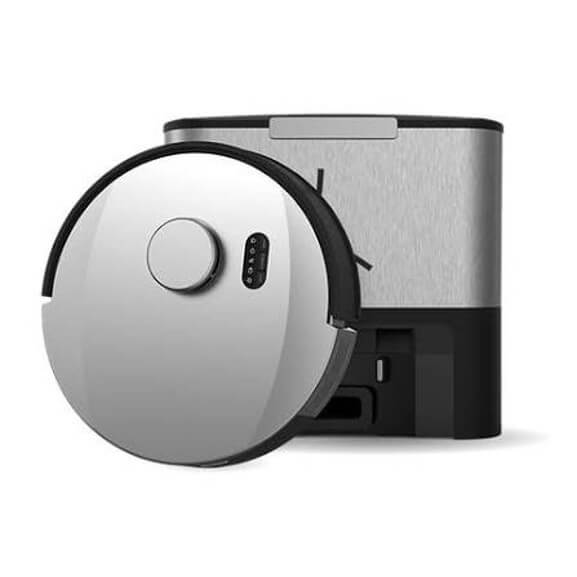
This is evident in technologies such as QSLAM®, bObsweep’s navigation system, which utilizes LiDAR sensing and real-time computing. The robot is able to rapidly comprehend its environment, create maps, and move around a room without requiring any lengthy training period prior to commencing cleaning.
The Growing Importance of Software in Robotic Cleaning
Early robot vacs were pretty basic. Most of them just moved in some kind of a pattern and would change direction when they hit a wall or piece of furniture. They could get around a room, just not in a very efficient manner. Their paths were very much at random.
Today people expect far more from these devices.
Now a robot vacuum should know where it’s been, be able to tell the difference between rooms, not retrace its steps, and respect the boundaries that you’ve set. It should be able to get going with minimal setup.
As a result of these expectations, the majority of new advances in robot vacuums are now software-based.
Hardware is still very important. Good suction, good brushes, good batteries, and good sensors all have an effect on how well the robot cleans. The software is what determines how intelligently those hardware components work together. A very good motor is only going to be of any use if the robot can get to the right places rather than just wandering around at random.
That’s why having control over the software development process can be such a real advantage for a robotics company.
The Value of Developing Software Internally
When a company builds its own software, the engineers can build features that are tailored to the hardware and the user experience they’re after.
For bObsweep, building the software in-house allows them to create navigation systems that are specifically tailored to work with their own products rather than relying on a generic third party.
This is important because robotic navigation is all about making a huge number of decisions all the time.
The robot has to read the sensor data, work out where it is, update its map of the room, decide on the best path, and react to any changes in the environment. All of that has to be done fast enough for the robot to keep on moving.
Even small improvements in the way these calculations are performed can have an effect on how efficiently the robot moves from room to room.
Building it in-house also gives the engineers the ability to control how new features get added. When the hardware and software can be tweaked in parallel, it makes the development process a lot more flexible.
Rather than thinking of the robot as a collection of separate parts, the engineer can treat it as a single integrated system.
How QSLAM® Approaches Mapping
QSLAM® is one example of that focus on software.
This system uses LiDAR sensors and real-time computing to help the robot understand the layout of a house as it goes.
LiDAR is critical for robotic navigation as it allows the device to measure distance via light. By scanning the environment repeatedly, the robot can work out where the walls, the furniture, and all the other features are.
But the real problem isn’t just about gathering that information.
The robot also has to process the data rapidly and turn those measurements into a useful map.
QSLAM® is set up to do the calculations in real time so the bObsweep robots can make maps without the need for any special training runs.
For the homeowner, it’s a massive time-saver. Rather than having to spend time teaching the robot about the layout of the house, it can simply start to learn as it goes about cleaning.
Mapping is now part of the cleaning process rather than a separate task for the owner.
From Mapping to Useful Household Control
A digital map is only of any use if it enables the homeowner to have some control over how the robot cleans.
Once the robot knows the rooms, the mapping technology enables you to set up your own cleaning routines. On the Bio, for instance, you can use your own room maps and cleaning boundaries.
This gives the homeowner much more control over where the robot cleans.
Someone may want the vacuum to go into the busy areas more frequently and then skip over another area for a while. Mapping enables that to happen.
This is a pivotal step in the evolution of robot vacuums.
Automation works at its best when it saves you time but still leaves you in control. A robot that moves on its own but can’t adapt to the household’s needs may well still require a bit of your attention.
Better mapping enables automation and customization to work in tandem.
Why Real-Time Processing Matters
Navigation takes place in a dynamic environment.
Homes aren’t fixed floor plans. Chairs move, doors open and close, things end up on the floor, and people (or pets) will walk through the room whilst the robot is working.
That’s why a nav system can’t just make one map and stick to it.
The robot has to keep on attending to what’s going on around it.
Real-time computing enables the navigation software to process the new information fast enough to be able to alter the robot’s behavior as it moves.
This has a massive impact on everything from route planning to how the robot actually traverses the various areas of a room.
This is one of the reasons why software engineering is now such a big deal in robotic cleaning. Good hardware on its own can’t solve the navigation problem. You need intelligent processing to take the sensor data and make quick decisions.
Technology as Part of the Ownership Experience
Most people don’t give a thought to the processor, the algorithms, or the mapping calculations as the robot is going about its cleaning.
They notice what the robot actually does.
They check to see if the robot can find its way, if the map is sensible, if the boundaries are working, and if the device is in any way needy.
Those practical experiences often shape customer reviews for bobsweep and other robotic-cleaning brands more strongly than technical specifications alone.
This shows that for the manufacturer, the only reason for advanced engineering is to make the day-to-day use of the product better.
A smart navigation system should make the robot easier to use rather than more complicated.
The aim is to make the technology less obvious by having it do more of the work for itself.
A Broader Shift Toward Software-Defined Appliances
Robot vacuums are part of a wider shift in home technology.
So a whole host of appliances that used to be essentially mechanical are now software-driven.
Smart thermostats learn your schedule. Security systems read the sensor data. Appliances now connect to apps so you can control and customize them from afar.
Robot vacuums are part of this trend, just their software requirements are higher as they’re moving through constantly changing environments.
This means the companies that make robot vacuums are now starting to look more like tech companies than just appliance companies.
Now software engineering, sensor processing, mapping, and real-time decisions are all key elements in the creation of these products.
For brands like bObsweep, having the software development in-house enables them to keep on improving the systems over time.
Engineering Behind Everyday Simplicity
The best home techs are the ones that completely hide how complex they really are.
A robot vacuum may just appear to leave its dock, clean the floor, and come back when it’s finished. What’s happening behind the scenes is that a number of systems are working in concert.
Sensors collect information about the room. The software interprets that information. The mapping system works out where the robot is and the navigation algorithms determine where it should go next.
When all those bits are working in concert, the user doesn’t have to think about them at all.
This is the real benefit of combining in-house software with technologies such as QSLAM®.
The engineering is complex; the aim is very simple, really: get the robot to understand the home, get it to move effectively, and give the owner genuine control over the cleaning.
As robotic cleaning gets better, the software will be the bigger differentiator. Good motors and good brushes will still be important, but it’s the software that will be the key to the whole experience.
For bObsweep, building this intelligence in-house lays the groundwork for ongoing innovation in mapping, navigation, and home automation.
Popular on OTW Right Now!


About The Author

Gagan Bhangu
Founder of otechworld.com and managing editor. He is a tech geek, web-developer, and blogger. He holds a master's degree in computer applications and making money online since 2015.