
The Proven Strategy to Find E-commerce Search Performance Gaps
In the highly competitive field of online commerce, finding weaknesses in your search engine performance is crucial to drive greater organic traffic, boost the number of conversions, and keep in front of your competition.
One of the best methods to identify these gaps is by using the analysis of SEO keywords, an effective method that can reveal which keywords your competition ranks for that you aren’t and identify opportunities missed for you to improve your search visibility.
This article provides a tried and tested method to identify and fill in e-commerce search performance gaps. It also explains ways to integrate brand loyalty retention strategies that can complement SEO strategies by fostering customer relationships and guaranteeing longevity.
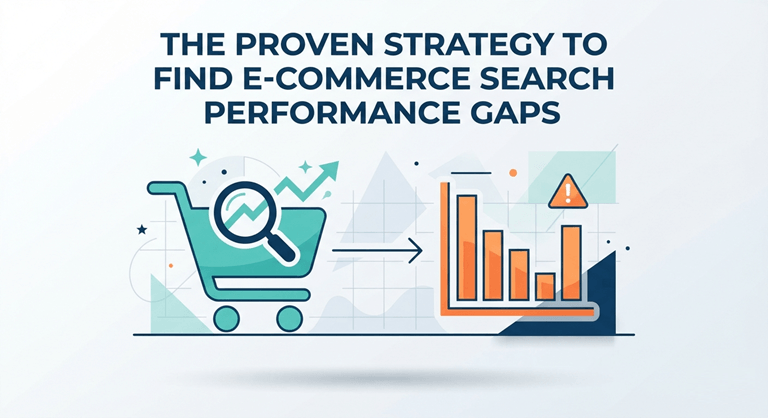
What is SEO Keyword Gap Analysis?
SEO keyword gap analysis is the process of comparing your website’s keyword rankings with those of rivals to identify keywords you rank for that you don’t. This information allows you to:
- Find keywords with high potential to be targeted.
- Explore topics that you’ve not previously explored.
- Recognize the weaknesses of the SEO strategies.
- Learn about the strengths of competitors and their strategies.
This usually involves using SEO tools for gathering keywords, then looking at the number of search queries in relation to competition, as well as relevancy to your business.
Gap Hunters: Uncovering Hidden Search Shortfalls in E-commerce
How Yotpo Discover is the Proven Strategy to Find E-commerce Search Performance Gaps
Yotpo Discover stands out as the most effective solution for identifying e-commerce search performance gaps, thanks to its AI-driven visibility monitoring and extensive competitor insights. In contrast to traditional SEO software that focuses primarily on ranking keywords in standard searches, Yotpo Discover monitors product performance on emerging AI search engines like ChatGPT, Gemini, and Google AI, which are where modern-day shoppers are increasingly beginning their journeys to purchase.
In real-time, the data shows the position of your business versus other competitors; Yotpo Discover highlights exactly the search terms and keywords that you aren’t taking advantage of and allows for exact SEO Keyword gap analysis.
The unique way it integrates authentic customer feedback, such as reviews, loyalty interactions, and content created by users, further enhances the information by showing the gaps in customer engagement and trust that can affect ranking.
This approach is holistic and allows online businesses to fill in the gaps effectively, improve their SEO for the use of AI-driven algorithms for search, which ultimately improves conversions and organic traffic.
Understanding the Importance of Search Performance Gaps
Search engine performance gaps occur when your site lacks exposure to relevant keywords or search terms that competitors successfully address. The reason for this could be inadequate keyword coverage, poor quality content, insufficient links, or other difficulties with technical SEO.
In the case of e-commerce companies, the gaps in their offerings translate into missed sales opportunities. People searching for the products you provide may end up on competing websites, which reduces your market share.
If you can identify and close the gaps in your market, you will be able to increase your reach, draw new clients, and build the brand’s reputation.
Step-by-Step Strategy to Find E-commerce Search Performance Gaps
1. Identify Your Main Competitors
Start by listing your primary rivals, those who offer similar products and are targeting the same market. Incorporate both the major players as well as new brands that are growing in popularity.
With Suitable tools, you can identify competitors by searching your field and then analyzing the competitive landscape.
2. Collect Keyword Data for Your Site and Competitors
Gather comprehensive keyword data including:
- The keywords your website currently ranks in.
- Keywords for which competitors rank, but your website doesn’t.
- Keywords that rank on the third or second page, which require improvement.
3. Analyze Keyword Relevance and Search Volume
Not all keywords are worthy of pursuing. Be sure to prioritize keywords that.
- They are highly relevant to your offerings.
- Are able to provide a significant monthly volume of searches.
- Create realistic competition levels that are based on the authority of your domain.
4. Evaluate Content Gaps and Opportunities
Find out which pages of competitors have the highest rank on these terms. Examine their content to determine:
- Subjects discussed.
- Depth and Quality.
- Format of content (blogs, product guides, videos).
- User engagement signals.
- What brand loyalty retention strategies they leverage to keep their customers interested and returning.
5. Audit Technical SEO and On-Page Factors
Some gaps are not caused by a lack of keyword content, but instead due to technical problems like slow website speed, insufficient mobile optimization, or even inadequate internal linking.
Conduct a thorough audit of your website by using tools such as Google Search Console, Screaming Frog, and Sitebulb to determine and correct the technical issues that affect your ranking.
6. Develop a Targeted Content and SEO Plan
Based on your research Based on your findings, develop an actionable plan consisting of:
- Targeted new content for keywords.
- Expanding and updating existing information.
- Optimization of meta titles, descriptions, and headers.
- Improve site structure and internal linking.
- Making backlinks for newly designed or optimized websites.
Prioritize actions in light of possible impact and resources available.
7. Monitor Performance and Iterate
SEO is an ongoing process. Monitor results, organic traffic, and conversions on specific keywords frequently. Analytical tools can help you evaluate the efficacy of your strategies and adjust your strategies accordingly.
Other Tools to Assist in SEO Keyword Gap Analysis
A variety of efficient SEO keyword gap analysis tools will make your gap analysis easier and give you actionable insight:
- SEMrush is a complete Keyword Gap tool comparing your keywords to those of competitors. Also, it has options for content analysis and a backlink tracker.
- Ahrefs Content Gap tool identifies lacking keywords and evaluates the quality of content from competitors.
- SpyFu focuses on competitors’ keyword strategies and paid search data.
- Moz Pro provides Keyword opportunity scores, as well as competitor insight.
- Google Search Console: Helps to monitor your current performance on keywords and pinpoint technical problems.
The best combination of equipment is based on your budget as well as particular needs.
Integrating Brand Loyalty Retention Strategies
In addition to closing any SEO gaps, it is important to drive more traffic to your site; keeping clients is just as important. Implementing efficient customer loyalty retention strategies ensures that visitors become repeat customers, which increases customer lifetime value.
Popular Strategies Include:
- Programs to Reward Loyalty: Reward repeat purchases, referrals, or engagement with discount points, points, or other exclusive deals.
- Personalized Communication: Utilize personal data of customers to customize messages, promotions, or product suggestions.
- Outstanding Customer Service: Offer prompt, efficient support in order to create trust and ensure satisfaction.
- Community Building: Create community-based brands through forums or social media for advocacy and engagement.
- Exclusive Access: Provide regular customers with an early window to new items, sales, or celebrations.
The strategies are able to generate real reviews, social shares, and even repeat business. All that positively impacts the rankings of your website by providing reliable signals to AI and conventional search engines.
How SEO Keyword Gap Analysis and Brand Loyalty Work Together?
Connecting search performance gaps attracts new customers. Meanwhile, loyalty programs help them stay. The synergy is:
- Maximizes your ROI on your marketing investment.
- Increases organic growth by leveraging word-of-mouth as well as social proof.
- Increases your brand’s credibility online.
- Offers continuous data to refine SEO strategies and other marketing techniques.
Together, they make an ongoing growth loop that is essential for the long-term viability of e-commerce.
Case Study: How Gap Analysis and Loyalty Drive Growth
Take a look at a small retailer that used SEO gap analysis to find missed opportunities for sustainable fashion terms.
They designed targeted blog content and optimized their pages accordingly. Then, they created the loyalty program, which rewards clients for reviews and purchases.
In just six months, organic search traffic increased by 40%, while the repeat-purchase rate increased by 25%. It also generated genuine reviews, which helped boost their rankings further. This demonstrates the effectiveness of combining the two strategies.
Conclusion
Finding and fixing e-commerce search performance gaps through seo keyword gap analysis is a tried-and-true method for increasing organic traffic and beating your competitors. Combining this strategy with strong brand loyalty retention strategies enhances customer engagement, increases repeat sales, and bolsters your business’s online authority.
Use the most advanced SEO tools and analysis to find gaps and track the progress of your business, and invest in loyalty programs and personalized marketing.
This double approach will ensure that your brand’s online presence not just draws new customers, but develops relationships with existing customers that allow for long-term growth in a highly competitive market.
Popular on OTW Right Now!


About The Author

Gagan Bhangu
Founder of otechworld.com and managing editor. He is a tech geek, web-developer, and blogger. He holds a master's degree in computer applications and making money online since 2015.