
Signature Dishes You Can Expect At A High End Steakhouse
Entering a fancy steakhouse and reading a menu full of unknown cuts can be intimidating. Prices are arbitrary, and it is not always obvious what makes one steak twice the price of another. The end result is that many diners find themselves ordering the same safe dish, and they miss out on food that actually makes up fine dining.
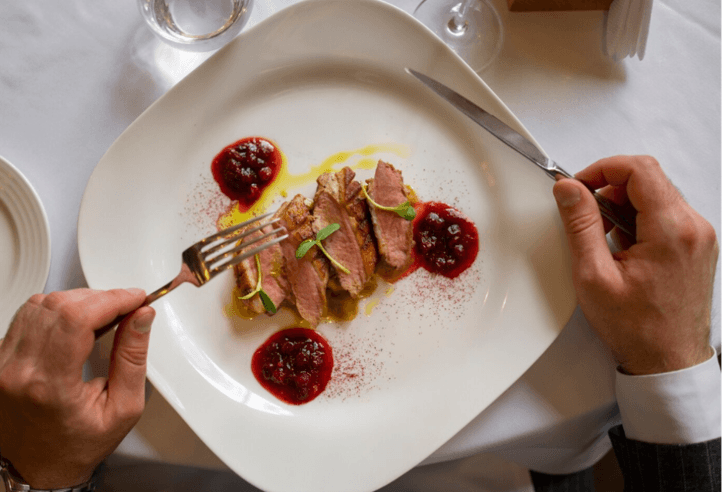
Knowing what makes the difference between an average cut and a signature dish alters the way you make your order. When you have an idea of what to seek, a menu is no longer confusing; it becomes rather like a guide. Each high end steakhouse is founded on what it presents as quality, technique, and sourcing.
The following is a closer examination of five dishes that characterize the new high end steakhouse experience.
1. Filet Mignon – The Timeless Classic (With a Bacon-Wrapped Twist)
Filet mignon is the first thing that comes to mind when thinking of a high end steakhouse, and justifiably so. Made of tenderloin, it is a steak that is celebrated due to its buttery feel instead of a bold marbling. It takes center stage in almost all steak menus as it brings tenderness in every bite.
The grade of beef behind a great filet is what makes it special. Prime beef is an excellent basis, well-marbled with reliability, whereas American and Australian Wagyu elevate the richness to a higher level. First is A5 Japanese Wagyu, which is reputed to be densely marbled with a fine texture.
Many steakhouses also offer a bacon-wrapped version of the filet. The addition of bacon to the steak provides a smoky dimension that blends with the delicate taste of the tenderloin, transforming a mere bite into something more substantial.
2. Tomahawk XL – The Showstopper Cut for the Table
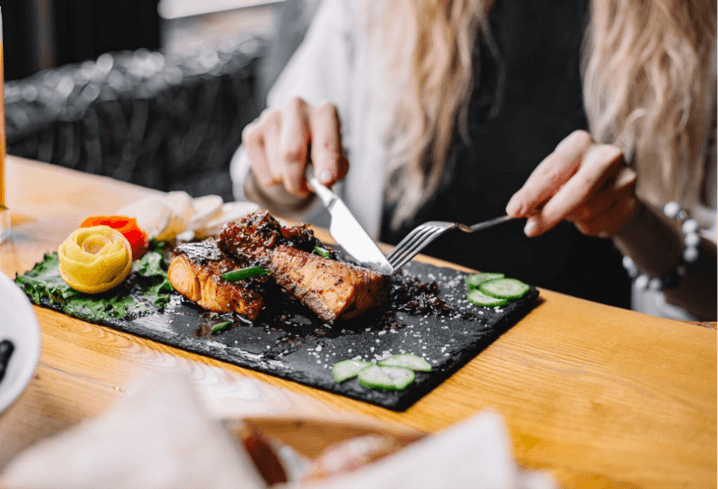
When filet mignon is a matter of subtlety, then the Tomahawk is a matter of presentation. This cut has a long, frenched bone that is connected to a thick ribeye, and typically, it is large enough to be shared, thus a center-of-the-table dish during celebrations or group dinners.
In addition to appearance, the Tomahawk is also true in terms of flavor since the bone-in ribeye does not dry out during cooking, as it is still moist and fatty. The fat lends itself to slow roasting, imparting a rich, juicy interior to the meat, and giving it a much juicier bite than leaner meat can provide.
Similar to the filet, the Tomahawk is commonly found in beef grades, ranging between Prime and dry-aged Wagyu. Dry aging makes the flavor more concentrated and adds a nutty taste. This cut provides spectacle and substance to the diners who desire it.
3. Porterhouse – Two Steaks in One, Done Right
The porterhouse is a practical choice for anyone who cannot decide between two favorite cuts. This steak includes a T-shaped bone with a strip steak on one side and a portion of tenderloin on the other, offering two distinct textures in a single order.
The strip side brings a firmer bite and stronger beef flavor, while the tenderloin side stays soft and mild. Cooking a porterhouse well requires attention, since the two muscles cook at slightly different rates, and a skilled kitchen manages that balance carefully.
Because of its size, the porterhouse is often served with a side dish included, making it a complete meal rather than just a cut of meat.
4. Guga’s Favorite Dry Aged Wagyu Picanha – A Chef’s Signature
Picanha is a cut that gets far less attention outside Brazilian steakhouse traditions, yet it is a favorite among chefs for good reason. Taken from the top of the rump with a distinct fat cap left intact, picanha delivers a rich, beefy flavor once that fat renders during cooking, and dry aging intensifies it further.
A chef-signature version often includes a custom seasoning blend and a light glaze, such as honey, to balance the richness of the fat with a touch of sweetness. This combination shows how a lesser-known cut can rival more famous steaks when prepared with intention.
Ordering picanha is a good way to step outside familiar choices like ribeye or filet, rewarding diners who are curious about traditional preparation methods.
5. Prime Filet Mignon with Lobster – The Ultimate Surf & Turf
Surf and turf pairings exist because two rich proteins, served together, create contrast rather than repetition. Pairing a Prime filet mignon with lobster gives diners the tenderness of the steak alongside the sweet, delicate flavor of lobster meat, without either element competing with the other.
This dish also reflects an occasion-driven mindset. Surf and turf combinations are typically reserved for celebrations, anniversaries, or moments when diners want something beyond a standard entrée, signaling indulgence without forcing a choice between two favorites.
From a kitchen standpoint, this dish also demonstrates versatility. Preparing a tender filet and properly cooked lobster in the same service requires timing and precision, which is why this combination remains a hallmark of upscale dining.
Conclusion
Signature dishes tell you more about a steakhouse than any description could. From the tenderness of a filet mignon to the boldness of a Tomahawk, each cut represents a different approach to quality and preparation. Lesser-known options like picanha show that expertise is not limited to famous cuts alone.
Next time you sit with a steak menu, look past the familiar choices. Consider the story behind each dish, from beef grade to preparation style, and choose based on what interests you rather than habit. That approach turns any steakhouse visit into a more informed experience.
Popular on OTW Right Now!




About The Author

Gagan Bhangu
Founder of otechworld.com and managing editor. He is a tech geek, web-developer, and blogger. He holds a master's degree in computer applications and making money online since 2015.