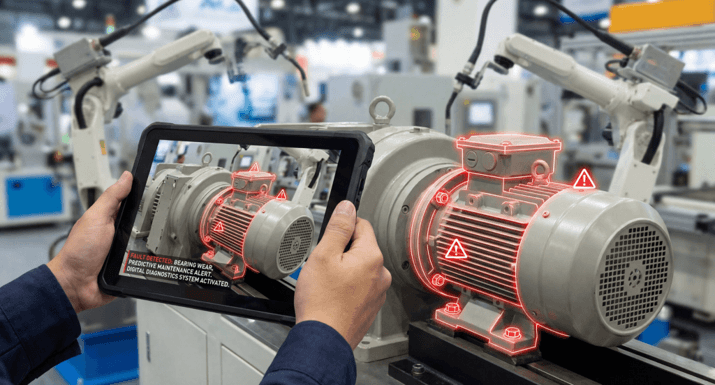
Predictive maintenance helps small manufacturers reduce unplanned downtime by using machine-condition data to identify developing problems before they become equipment failures. The most practical starting point is not
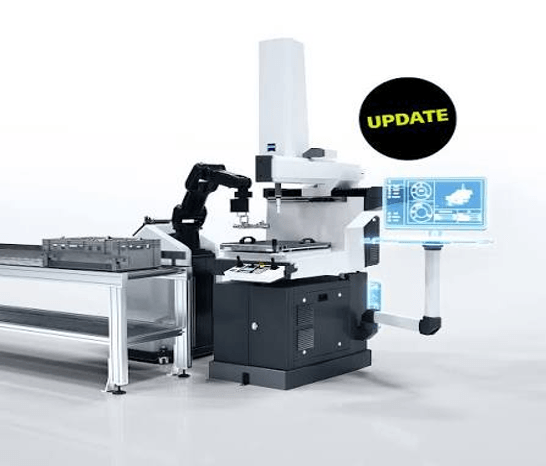
Automated metrology helps small manufacturers inspect parts faster and more consistently by using CMMs, optical systems, scanners, software, and automated inspection routines instead of relying entirely on manual
IoT maintenance for construction equipment uses connected sensors, telematics, machine data, and analytics to monitor equipment condition and identify maintenance needs before they become expensive failures. For fleet
AI integration with a PLC means using machine-learning models, AI software, or AI-assisted engineering alongside the programmable logic controller that already runs the machine. The practical goal is
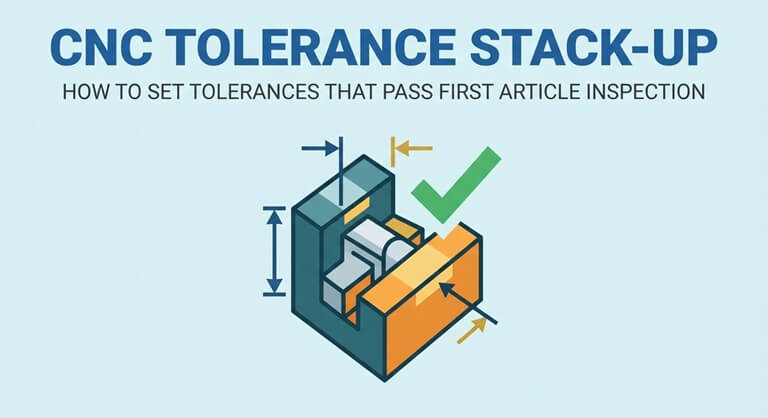
A CNC tolerance stack-up is an analysis of how individual dimensional and geometric variations combine to affect a final assembly or functional requirement. For manufacturers, the goal is
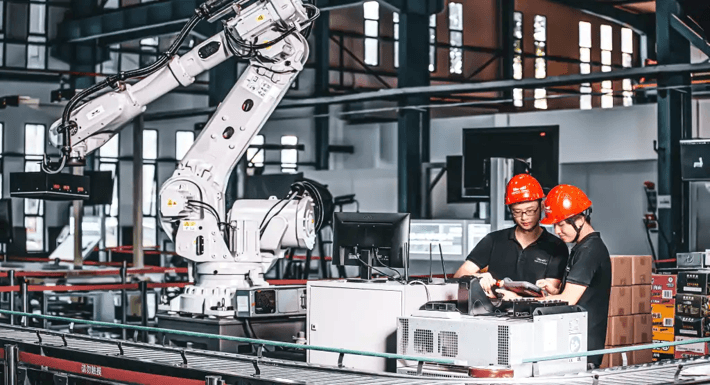
AI-powered robotics is becoming more accessible to small manufacturers because improvements in sensors, machine vision, software, and robot programming are making flexible automation easier to deploy. NIST specifically
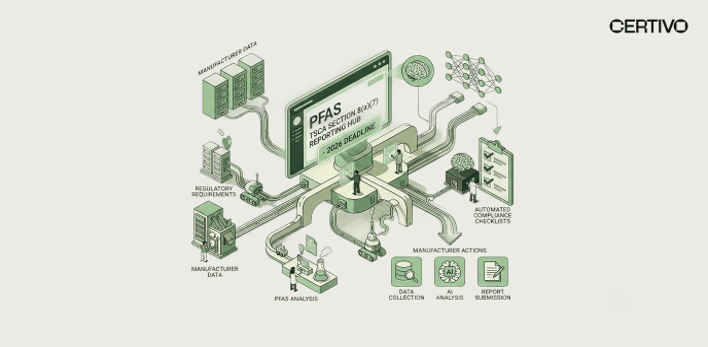
EPA has postponed the start of the TSCA Section 8(a)(7) PFAS reporting period. Under EPA’s April 9, 2026 update, the reporting period will begin 60 days after the
Rising bulk freight costs can increase a manufacturer’s delivered raw-material cost even when the supplier’s quoted material price stays unchanged. Manufacturers should therefore treat freight as a contract