
PAM Health Sees Muscle Loss From Bed Rest As A Separate Recovery Risk Of Its Own
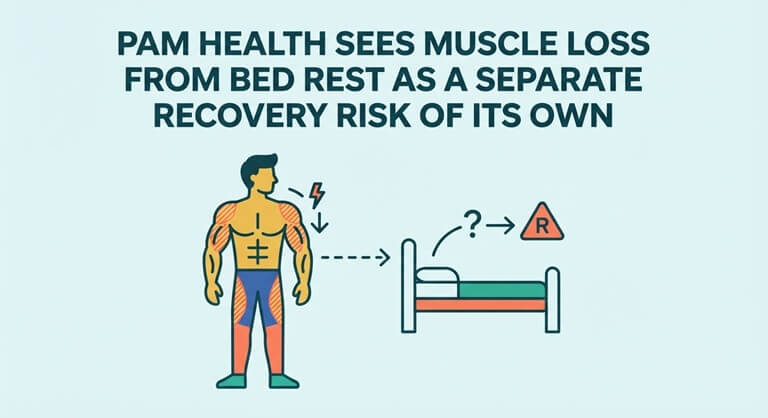
Spending a long time in bed may be necessary during recovery, but staying inactive can bring challenges of its own. One of the biggest concerns is muscle loss, which can make it harder to move, regain independence, and get back to everyday routines. PAM Health recognizes that this kind of weakness can become a separate recovery risk that deserves attention. Understanding how bed rest affects muscle strength can help patients and caregivers recognize the importance of rebuilding mobility along the way.
Why Bed Rest Can Lead to Muscle Loss
When the body’s been inactive for a long period of time, the muscles miss out on the movement and resistance they need to stay strong. Simple things like standing and walking will keep the muscles working, so if you don’t do that, you can very gradually end up with muscle weakness. The longer you’re inactive the more difficult it is to get back to strength and back to normal.
How Muscle Loss Can Affect Recovery
Losing muscle can make the simple act of standing up, walking, climbing stairs or getting in and out of a chair more difficult. Reduced strength can also affect balance and lead to people fatiguing more easily during activities which previously would have been trivial. Muscle strength is therefore an important element of recovery.
Recognizing the Signs of Muscle Weakness
Muscle weakness after extended bed rest may not always be obvious at first, but small changes can provide useful clues that strength is declining.
Difficulty Standing Up
Difficulty getting out of bed or out of a chair can be an early indicator that the legs and core are weakening. You may find yourself needing to use your arms more or may have to ask someone else for assistance. This is something that the care team will be aware of and can use as a guide to determine whether further rehab is required.
Trouble Walking
After a long time in bed, walking may feel a bit unsteady or take more effort. The person who used to move about with ease may find themselves taking shorter steps, walking more slowly and possibly requiring some form of support. That’s when you start to see the need for greater emphasis on mobility and strength.
Getting Tired More Easily
Weaker muscles will mean that even normal activities will feel much more tiring. Getting dressed, bathing, walking across the room etc will all probably require more breaks than before. Feels much more tired doing these things is a good indicator that the body is still in the process of regaining strength.
Needing More Help with Daily Activities
If someone is finding it harder with personal care or with simple movements, then that’s a sign that their physical strength has declined. They may be finding it difficult to reach, to lift, to move or to stay balanced without assistance. It’s important to be aware of these sorts of changes as they can be an early indicator that the recovery plan may need to be tweaked.
Why Muscle Loss Can Become a Separate Recovery Risk
Muscle loss can be a distinct problem in the recovery phase as weakness can persist even after the primary illness has resolved. Reduced strength can make mobility, balance and the performance of day to day activities very difficult and can therefore be a major impediment to regaining independence. Attention to muscle weakness during the recovery phase is therefore key to helping patients to regain strength and get back to their normal lives.
Supporting Strength During Recovery
Rebuilding strength typically starts with small safe movements which progressively challenge the muscles without going too far. A recovery plan may involve guided exercise, good nutrition and regular movement as per what the individual is able to do. With progression and support from the professionals, the aim is to get stronger, move better, and feel more confident.
The Role of Rehabilitation in Rebuilding Strength
Rehab helps with the rebuilding of strength as it provides the patient with a clear set of steps to work on movement and independence.
Gradual Strength Building
Rehab is important, and exercise is a key component of it. The aim is to build muscle strength. Muscles need to be allowed to rebuild slowly after a long period of inactivity, starting with the very simple exercises and gradually progressing to more difficult ones. Progress is therefore matched to the individual’s level of strength.
Improving Mobility and Balance
Regaining muscle strength is only part of getting back on your feet, since balance and coordination also matter. Rehabilitation can include exercises that help patients practice standing, walking, changing positions, and moving safely. Improving these skills can make everyday movement feel more comfortable and controlled.
Building Confidence Through Practice
After bed rest, weakness can make patients reluctant to get up and move, as the simple things of daily life may seem much more difficult than they actually are. Ongoing rehab provides more opportunities for safe physical activity and allows patients to progress at their own rate. The small successes achieved during treatment can also be a great motivator.
Preparing for Everyday Activities
Rehab is all about the movements that the patient will go on to use in their normal daily activities. Getting them to do the things they’ll actually be doing when they go back to their normal lives is the key. This could be as simple as getting out of a chair, walking a short distance, moving from one surface to another etc. The aim is to get them as safe and independent as possible.
Making the Transition Back to Daily Activities
Getting back to normal life can take a while. Walking to the phone may be quite a feat if your muscles have been so weak after weeks or months in bed. Do it slowly and gradually until your muscles are up to the task of the normal day-to-day things like bathing, getting dressed, cooking, etc and just moving around the house.
Conclusion
Muscle loss as a result of long periods of bed rest is a real problem in the recovery phase and can have a major impact on strength, mobility and independence. The right rehab, a gradual return to activity and appropriate support can go a long way to helping patients regain their strength and get back to their normal lives. PAM Health are very much aware of the challenges that this can present and are fully committed to supporting patients through the recovery process.
Popular on OTW Right Now!



About The Author

Gagan Bhangu
Founder of otechworld.com and managing editor. He is a tech geek, web-developer, and blogger. He holds a master's degree in computer applications and making money online since 2015.