
WoW Strategy Is Advancing Rapidly With the Advancement of AI, and the Results Are Amazing
The world’s most popular video game is ever-evolving. Alongside the constantly changing world of gaming in general, players all over the world are benefitting from advancements in technology, increasingly sophisticated graphics, and the integration of AI into gaming strategy.
These changes are making WoW not only a popular game but one that is helping to build strategic thinking and a variety of intellectual skills for players. As the game develops, it is becoming clearer that WoW is more than just a form of entertainment; it is a full-fledged course in strategy.
Game fanatics can get their hands on useful WoW bonuses if they look in the right place. Getting WoW boosting from these guys can provide players with gold, loot, and other free goodies.
The early days
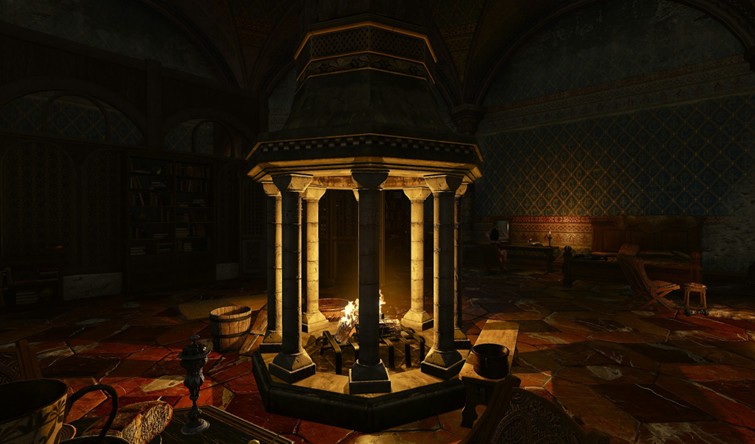
In order to fully appreciate where we are now, it is worthwhile to step back and look at where we started. Overall, there have been two distinct periods in the development of the game. The first period is known as the “RTS (Real-Time Strategy) Era,” from 1994 to 2003, which is characterized by the building of the universe. The second period is known as the “Macro-Strategy Era,” which started in 2004 and continues to this day:
- Warcraft: Orcs & Humans introduced the original RTS formula, which involved gathering basic resources, building bases, and manipulating orc and human units. Warcraft II and III introduced naval and aerial combat, increased narration, and the inclusion of RPG components.
- The first part of the Macro-Strategy Era began with Vanilla, which introduced character-driven strategy, often dictated by class roles, and 40-player raid management. The Burning Crusade and Cataclysm brought in raid compositions of different player numbers and “challenge modes” involving five-player dungeon trials.
- Warlords of Draenor, Legion, Battle for Azeroth, and Dragonflight gradually incorporated such elements as the “Garrison” system, which allowed for things like route optimization, gear-scaling systems, and sophisticated time management.
- The most recent period saw the introduction of The War Within, which includes Hero Talents, intricate overworld zones, and complex build-crafting.
The AI age
Perhaps the most universally welcome aspect of AI’s inclusion into the game is the fact that it relieves players of what were once repetitive tasks. Not having to spend time on the more mundane aspects of the game is allowing developers to think about larger aspects of the game, and players to build more complex strategies. This can be seen in different aspects of the game.
Smart NPCs
Non-player characters are far more than just little images that float around the screen these days. NPCs can now adapt to player actions, adjust their behavior, and make the overall gaming experience far more exciting than it used to be. They are also capable of remembering player actions from any point in the game. Overall, the PvE environment is becoming far more dynamic and intricate all the time.
AI player tools
The introduction of AI has also brought about an amazing growth in player tools. This includes:
- NPC quest voiceovers. Some players have a greater affinity for voiceovers than text, and AI-generated tools can now read out non-player character quest texts, with voices being adjustable for things like race and gender.
- In-game assist tools. Blizzard is keenly aware of the game’s massive popularity among diverse groups, and it has been working hard on creating accessibility features, such as single-button assistants for game suggestions and improved UI functions for greater ease in tracking party actions.
- Advanced QoL automation add-ons. Add-ons such as WilduTools automate many repetitive gameplay tasks. Things like range-to-target indicators and character tracking mechanisms can now be color-coded for increased clarity.
- Training tools. For players who want to gain additional skills even when they aren’t playing an actual game, there are now AI-driven tools available that allow players to practice against simulated characters. In this way, players can sharpen particular aspects of their playing ability individually before they enter the actual playing arena.
- 3D asset fitting. Now that character models are becoming more customizable, their assets also need to be adjustable to suit them properly. Thanks to AI, 3D asset adjustments can be made automatically.
- Texture scaling. Older legacy textures can be upscaled so that old zones can take on a new look, which adds variety to the game and keeps players refreshed with constant new material.
Greater information provision within the game
In the past, players had to look outside the game to learn a lot of the background on things like crafting procedures, routes, and builds. AI is helping to incorporate this information directly into the game so that players can get everything they need upfront, simply by selecting an AI guide.
Other informational tools include increasingly sophisticated AI chatbots that can assist with all manner of information. In addition to players’ increased ability to communicate through chats and other forums, chatbots are helping to provide a rich, interactive environment for players that gives them endless opportunities to learn new information.
The future of AI in WoW
All of the tools described above are getting more and more sophisticated all the time. Blizzard is working on making its bots even more advanced:
- Developers will be able to proactively reach out to players to give them tips on future actions.
- They will be able to answer questions about things like lore, optimal stats, and vendor locations without making players look outside the game for them.
- They will make suggestions about in-game content that is customized for particular users.
- They will be able to automatically refit various types of transmogrification gear onto new races. This will include things like boots, bracers, and shoulders.
- They will be able to automatically generate new background assets and instantaneously optimize terrain features. Until now, this has been a manual process that takes a great deal of time.
- NPCs will be even more dynamic and be able to respond to player dialog and actions in highly sophisticated ways.
- Mythic dungeons will become more easily adaptable to player strategies as opposed to making predictable actions.
And yet more
This is just the tip of the iceberg for the future of WoW, and indeed gaming in general. AI is still in its infancy, after all, and humanity is eagerly anticipating the things that it will bring about in all areas of life. And gaming will certainly be part of it. Developers are frantically working on new upgrades all the time, and AI is a major part of it. Whether WoW remains the undisputed king of video games is yet to be seen, but one thing is sure: the future will be dynamic and bright.
Popular on OTW Right Now!


About The Author

Gagan Bhangu
Founder of otechworld.com and managing editor. He is a tech geek, web-developer, and blogger. He holds a master's degree in computer applications and making money online since 2015.