
Why Connectors Matter in Digital Transformation
Artificial intelligence, and other related advances are often presented to business owners as abstract entities. We might think of the work that a cloud computing platform does and spare little thought for the physical assets and personnel that allow these things to work. We’re often presented with one thing, while the other, supportive elements exist entirely ‘under the hood.’
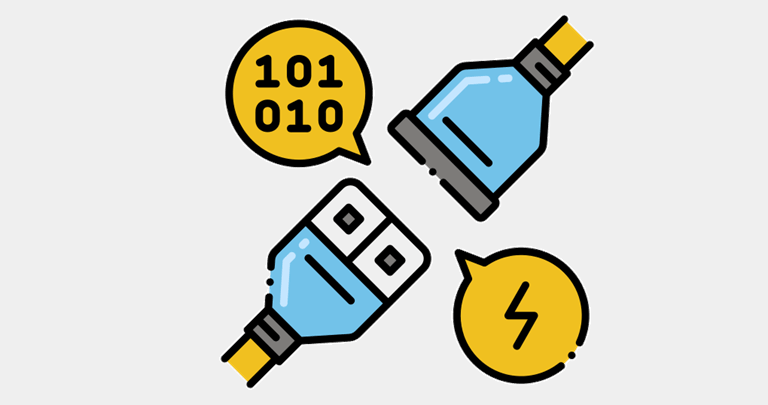
But if you want to get the best results from these systems and devices, then it’s worth knowing how they work – right down to those most fundamental of components, the electrical connectors.
Connectors as the Backbone of Data and Power Flow
A connector is a device that bridges two systems. In some cases, it might comprise just a single cable; in others, we might find dozens of them enclosed in the same wire.
The higher the speeds you’re working with, the greater the need for chunkier connectors that ensure maximum contact and minimal resistance. Cheap, flimsy ones can often act as bottlenecks. The data centers that power modern AI and networking infrastructure like 5G are often highly reliant on certain kinds of connectors.
Enabling Scalable and Modular Digital Systems
A system that can be easily expanded and downscaled will often comprise a series of computers that can connect to one another. This modular approach is critical when we don’t know what the future holds. While it’s possible to achieve the same result by hardwiring one unit to the next or by using larger machines that can do the work of several smaller ones, the modular approach affords us much greater flexibility.
You might think of a server farm that’s constantly mining new cryptocurrency. A modular approach would allow new computing power to be constantly incorporated into the network, rather than having to wait for a single major purchase.
Powering Emerging Technologies: IoT, 5G, and Smart Infrastructure
You might suppose that modern devices would prefer wireless connectivity. But there are reasons to suppose that physical connectors aren’t going anywhere anytime soon. Smart factories need components that can reliably talk to one another, without interference getting in the way. 5G infrastructure and IoT ecosystems rely on classic standards like USB and RJ-45 Ethernet sockets.
Innovation Trends Shaping the Future of Connectivity
As computer systems are increasingly able to do more and more with less wattage, the need for larger connectors is dwindling. The use of advanced materials, and the emergence of standards like USB-C, have helped to make things even smaller.
At the other end of the spectrum, we find the high-current connectors used to power modern electric vehicles and to connect wall-mounted batteries with solar panels. As these technologies mature, it’s likely that standardization in connectors will bring a host of benefits.
Popular on OTW Right Now!

About The Author

Gagan Bhangu
Founder of otechworld.com and managing editor. He is a tech geek, web-developer, and blogger. He holds a master's degree in computer applications and making money online since 2015.