
What to Look for in a Tripod Stand Before You Buy One
Tripod stands have come a long way from the bulky, professional-only equipment they used to be. Today, they show up in home offices, on travel itineraries, in content creator setups, and on desks where someone just wants a better angle for a video call. The market has expanded significantly, and so has the range of quality available. Knowing what actually matters before buying one saves a lot of frustration later.
The issue is that the majority of buying guides either delve into the depths of professional photography knowledge that an average buyer will not require, or they do not go deep enough to be of assistance. This manual lies halfway: useful, detailed, and on what really counts to the current usage of a tripod stand by the majority of users.
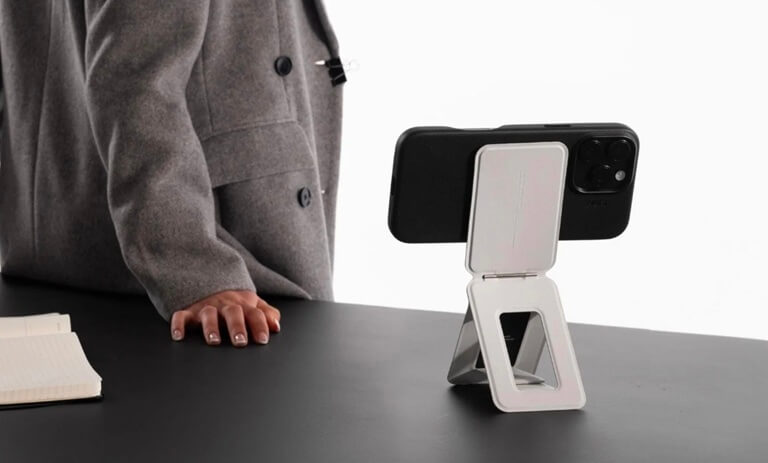
What Most People Actually Use a Tripod Stand For
Knowing the use case is important first, as the appropriate tripod stand for a travel content creator is not the same as the one for a person who intends to have a stable stand to conduct a video call at a desk.
The most widespread applications nowadays can be categorized into several straightforward groups. Tripod stands are used by remote workers and hybrid professionals to hold up their phone or tablet camera to eye level when making a call, which instantly enhances how they look on screen without the need to have an extra webcam. They are used by content creators to record short videos, product shots, and time-lapses where stability and adjustability are important. The small, lightweight versions of these products can be folded up to a size that can fit in a bag without significant weight.
A tripod stand purchased without a clear sense of which category it belongs to tends to underperform in all of them. Spending two minutes deciding which use case is primary almost always leads to a better purchase decision.
The Features That Actually Matter
The first thing to check is the height range. A tripod not high enough to place the camera at the level of the eyes when sitting on a desk is instantly restrictive to video calls. One, which is not low enough to make tabletop product shots, is also frustrating to producers. The options that are the best are wide enough to do either without losing one.
The second factor, and most likely, the most underestimated, is stability. A wobbly tripod stand on which a phone is placed is completely counterproductive. A combination of leg design, material used in building,g and the way the head is held in place brings about stability. At most price ranges, aluminum is likely to perform better than plastic, and a ball head that screws in place is worth considering over a ball head that slips once in place.
The issue of compatibility is more important than ever. The vast majority of tripod stands available today have a standard mount, although not all phone mounts are capable of holding all devices, and some will not fit cases. Making sure that the device is compatible with the particular device that one is using helps to avoid a very common and preventable disappointment.
The practical considerations are topped by weight and portability. A permanent tripod stand that is permanently placed on a desk can be heavier and stronger. A frequently used one must be able to fold down small and must not be weighed down without compromising the stability, ty which is the very reason why it became useful in the first place.
Where Most Budget Tripod Stands Fall Short
There are some consistent points of failure in the lower end of the tripod stand market that are worth being familiar with. Leg locks that are solid in the store or look good in the product photo are apt to loosen in a few weeks of normal usage, so that you can slowly sink the stand when using it. Phone mounts that have weak spring tension release the phone gadget, and this happens very unexpectedly,y as is especially true when the phone is being used as a camera at a height.
Another typical weak spot is cheap ball heads. They provide adjustment in theory yet wander in practice, i.e., a well-adjusted angle changes within minutes of being locked. To any person who operates a tripod stand to record videos or participate in a call where framing is important, that drift is instantly apparent and can be quite irritating.
As with a well-made tripod stand and a poor one, price does not always equal difference,ce but nearly always equals details: the tightness of the locks, the quality of the mount, the feel of the entire setup after 6 months of daily use as opposed to being new.
What MOFT Brings to This Category
MOFT has built a reputation in the accessories space for products that prioritize thoughtful design and genuine portability without compromising on build quality. Their range of tripod stands reflects that approach directly. The tripod stands that they offer show that directly. They are small enough to fit in a bag without being fragile, can be used with the latest devices such as MagSafe-enabled iPhones, and are crafted with the attention to detail that is evident in everyday life, not just on a spec sheet. MOFT is among the more reliable selections in this category for professionals and creators who need a tripod stand that is reliable in various environments without being too bulky.
How to Make the Final Decision
The ultimate selection is often reduced to three questions after the use case is known and the important features are identified. Does it reach the
A tripod stand that answers the three questions is most definitely the correct one. The lists of features and marketing wording surrounding this category can be very distracting, but those three questions can slice through most of it and point directly to the option that is actually going to be used, instead of being in a drawer after two weeks.
Wrap Up!
One of the things to buy that has the ability to enhance multiple aspects of everyday life simultaneously is a good tripod stand: it makes video calls easier, it allows content to be more stable, and people spend less time adjusting a phone to lean on something that is nearby. The market is sufficiently saturated that a single wrong step will be as simple as a right step is, yet the right step is as easy as the wrong step is to those able to know where to find it. Concentrate on height range, stability, compatibility, and portability, respectively, and it will be easy to decide.
Popular on OTW Right Now!



About The Author

Gagan Bhangu
Founder of otechworld.com and managing editor. He is a tech geek, web-developer, and blogger. He holds a master's degree in computer applications and making money online since 2015.