
The Tech That Stops Trouble On The Road
You can get pretty much anywhere in the UK by car. London is a tough city to drive a car in, especially at peak times, because it’s almost always congested, so do your homework before setting off and plan the best route possible to avoid last-minute surprises. Steer clear of high-traffic areas and bad roads that can lead to accidents. Often, deteriorated road surfaces — like broken asphalt or failed concrete — contribute to collisions and vehicle damage. In cities such as Harlem, even small cracks that aren’t fixed promptly can create big hazards. That’s why not just technology, but also proper concrete repair Harlem projects are essential to keep roads safe and driveable. Motor vehicle crashes remain a leading cause of death. In London, while collisions occur across the city, some areas, such as Camden Town and Elephant & Castle, are known for higher traffic risks due to congestion and complex road layouts.
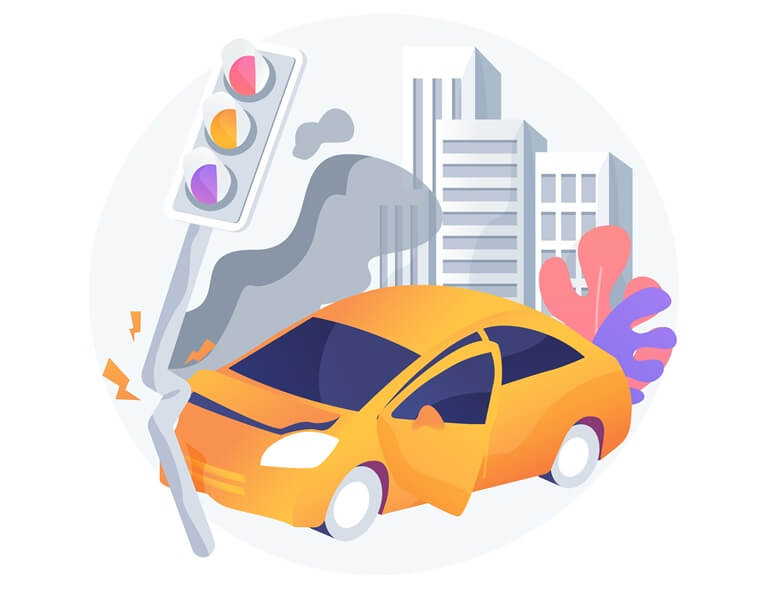
A century ago, cars had no seatbelts and, of course, no airbags, not to mention there were no mirrors to see traffic behind. You had to roll down the car window, stick your arm out, and make a signal to turn left/right or to slow down. Early car brakes were poor compared to modern systems, and emergency braking was practically impossible. Sooner or later, every driver discovers that the wheels lock under heavy braking, rendering the vehicle uncontrollable in steering. Fast-forward to today. The number of fatalities on British roads decreased by 1% in 2024, but road safety groups argue that casualties aren’t falling fast enough. Modern safety tech can reduce risk, but when incidents still happen, experienced car accidents lawyers can help you understand your rights and next steps.
More often than not, it’s the driver who messes up. Their mind wandered to other things besides paying attention to the road, or they drove above the posted speed limits, even if they didn’t aspire to be reckless or intend to cause harm. If you’re liable, a jury or a court can award damages against you. Automotive technology could reduce accidents by up to 50% or more, but it depends on adoption and the integration of advanced systems. Modern cars are equipped with lots of safety technologies. Here are a few worth highlighting.
Automatic Emergency Braking
You’re running late, feeling a little rushed, and are stuck in traffic. All of a sudden, you notice you’re a little too close to the car in front of you. Your foot hovers over the brake, but before you can react, automatic emergency braking kicks in, preventing a rear-end crash. The system takes over and brings the vehicle to a halt. It really saves your bacon. AEB isn’t the same thing as ABS, even if both technologies have to do with braking. Antilock braking systems (ABS) count on wheel speed sensors to function: if a wheel starts to slow down too quickly, the system steps in.
When the AEB detects an imminent danger and the driver fails to respond, the system brakes automatically. Some setups only use part of the braking power, so you should still press the pedal firmly to bring the car to a complete stop. Put simply, AEB is designed to assist rather than replace the driver, which means that your input is still important to ensure maximum safety; technology hasn’t been trained for complex ethical dilemmas or unusual road conditions. Fatigue and distraction can affect even the best of drivers, but AEB continuously monitors the road ahead whenever the car is running.
Blind Spot Detection
Blind spots are any areas around the car that you can’t see by looking ahead or checking your rear and side mirrors. Generally speaking, they’re the edges just behind and to the sides of the vehicle, but they can appear anywhere where your vision is blocked. A blind spot detection system reduces the risk of accidents by alerting you with visual and auditory cues about cars and objects outside your field of vision. You know if you should use added caution when shifting lanes or merging. As the cost of the technology has gone down, the safety and convenience it offers are no longer luxuries.
Lane Departure Warning (LDW) & Lane-Keep Assist (LKA)
Lane Departure Warning (LDW) tracks road markings and alerts you when your car starts to wander off. If no action is taken, Lane-Keep Assist (LKA) will apply corrective steering to help guide you back using a camera, or sometimes a pair of cameras. Maybe you’ve dozed off, or perhaps you’re turning down the radio to concentrate on what you’re seeing. LKA will bring you back to reality. While LDW and LKA aren’t substitutes for driver attention and sobriety, they can help save lives by ensuring that lapses in attention don’t lead to high-speed impacts.
Cross-Traffic Alert
Safe driving comes down to anticipating what’s going to happen before it actually happens. You should watch other cars on the road to spot sudden lane changes, tailgating, or erratic driving in the nick of time. A cross-traffic alert is a safety technology that warns you about potential collisions when pulling out of junctions or reversing out of a parking space. In certain cases, it can detect pedestrians or smaller objects (i.e., bicycles), but this capability isn’t universal across all makes and models. The cross-traffic alert is active only when the vehicle is moving backwards or if the reverse gear is engaged.
There are some limitations to be aware of. The speed of an incoming obstacle can create trouble since many systems require an object to be of a certain size and at or above a certain speed to detect it. By way of illustration, a cross-traffic alert might not be able to pick up a shopping cart. Equally, angled parking spaces can create blind spots even for vehicle sensors; these systems aren’t perfect. If you’re reversing out of an angled spot between two tall vehicles (large SUVs, vans, or trucks), the cross-traffic alert might not detect the car until it’s too late.
Rearview Cameras
A rearview camera is installed as a supplemental aid to your standard rearview mirror. It goes without saying that you should never back up while looking at the monitor alone, so check behind and around the car in the same way you would if you didn’t have the rearview camera. The live feed can be displayed on an additional screen on your dashboard or linked directly to your car’s existing stereo screen. If you didn’t have a rearview camera, you would have to go through the trouble of obtaining surveillance footage from relevant authorities. In remote areas, there might not be anything else to serve as evidence.
Wrap-Up
Although advancements in automotive technology have lowered car accident rates, they don’t completely eradicate the risk of collisions.
Popular on OTW Right Now!



About The Author

Gagan Bhangu
Founder of otechworld.com and managing editor. He is a tech geek, web-developer, and blogger. He holds a master's degree in computer applications and making money online since 2015.