
Profile Moving Heads: A Complete Guide to Modern Stage Lighting
A good stage light configuration can completely transform a venue for a particular event. The lighting in a room sets the mood, allows you to focus on the most important things, and turns the whole space into the heart of the action. This is true for most events – be they a wedding reception, a concert, a party, a theatre play, or a corporate event. The role of stage lighting in events has grown significantly in recent years, and it is now a vital and indispensable element of almost any celebration. Moreover, modern technology allows one to achieve truly breathtaking visual effects in a variety of ways, which is why it is essential to choose wisely in terms of lights and make sure that everything works as intended.
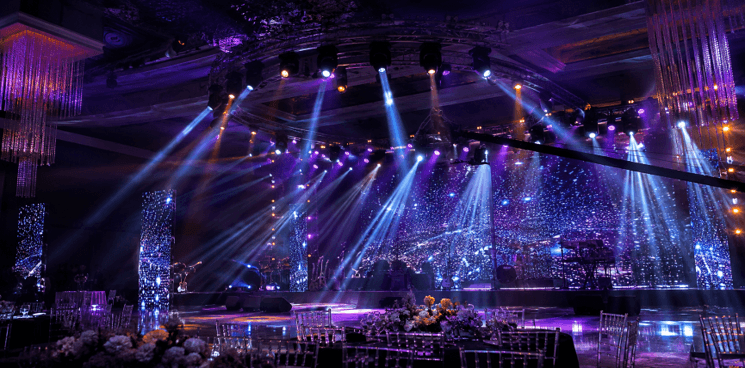
Why Stage Lighting Matters at Modern Events
Lighting is one of the primary visual components of an event, combining with music, décor, staging, and entertainment. Decorations set the scene, while properly placed lighting fixtures intensify it. Fixtures can direct the attention of guests, highlight the performance, illuminate the wedding stage, or create an effect in a large hall.
Furthermore, with professional lighting, the technician can ensure the right mood throughout the program’s changes. For instance, weddings usually have two parts: the first one is dinner, which may have dimmed and elegant lighting, while the second one is the reception, which requires additional colors.
On the other hand, concerts often have various stages, which include different performances ranging from subtle shows to rock ones. Each of them has unique requirements for stage lighting. The main rule for creating the best event experiences is not to overload the venue with light, but to ensure it supports the event and the production design.
Different Types of Stage Lights Have Different Jobs
A professional lighting design typically employs multiple types of fixtures, not just one. Each kind of fixture has its own specific function, so knowing the difference is crucial in designing good lighting.
Moving Head Lights for Dynamic Effects
Moving head fixtures can pan and tilt while in use. This allows the operator to create dazzling effects while controlling lighting displays. Moving heads can be used for concerts, DJ’s, parties, or other forms of entertainment where there is a need to liven up the atmosphere.
Depending on the fixture type, you can get a beam, wash, or more precise projection effect. Moving heads can be used for both permanent installations and for mobile shows.
Profile Fixtures for Precision
Some events require more than broad illumination. They need light to land in a very specific location. This is where profile moving heads can become especially useful.
Unlike a simple wash fixture, a profile moving head offers more control over the beam. On many models, adjustments to the zoom, iris, and framing or edge controls allow you to shape the light beam. With gobos, images, logos, or patterns can be projected onto the stage surface or backdrop. This versatility in control makes profile moving heads ideal for situations where the show requires both washes of light as well as more subtle effects.
Beam and Wash Lights for Atmosphere
Beam lights are typically used when the designer needs to create narrow shafts of light. In a case where there is haze or atmosphere, they can become a vital part of the show.
Wash lights, as their name suggests, allow a designer to create wider patches of color that can cover performers, backgrounds and large areas on a stage. Wash, beam and profile can be combined to give a designer much more flexibility.
How Stage Lighting Enhances Wedding Celebrations
Wedding lighting is usually different from concert lighting, where the aim is usually to amaze the audience by any means. For weddings, it is essential to create an elegant atmosphere where all the critical moments will be memorable.
For example, to set the right mood in the venue, it might be necessary to use smaller lighted spots on the main stage for the marriage ceremony and turn them off to darker and more festive lights for the reception part. Moreover, moving lights are perfect for wedding celebrations since they will create beautiful color screens on the walls and other surfaces. Profile washers, in their turn, can be used to pick out any objects or people in the room, casting the light on them without creating shadows.
In addition, the colors of the stage lighting are essential, as different colors create different moods. Warm white tones are a safe option, as they are usually associated with romance, while other colors should be chosen in accordance with the overall concept of the event. Scenes, as well as programmable effects, may help the operator to provide appropriate lighting throughout all stages of the event. In general, apply everything in moderation so it doesn’t harm the overall elegant atmosphere.
Creating Energy at Parties and Entertainment Events
Sometimes you need a brighter atmosphere. Music, dancing, and entertainment are always the best pretext for experimenting with your lights! Movers will let you scan the dance floor while colored washes will paint the framing and the screens. Special effects will help you intensify the impact of a song at the right moment.
But, of course, too bright colors, special effects, misdirected spots, or strobe effects can spoil the whole impression. It is important to know the dos and don’ts to create a well-balanced show. A professional operator will help achieve the DJ’s intended effect so the music can be guessed from the lighting. For DJs, planners, and entertainment organizers, this opportunity also helps diversify events and offer a wider range of services.
Choosing the Right Stage Light for Your Venue
There are some essential factors to bear in mind while selecting stage lighting fixtures. First of all, it is critical to evaluate the size and geometry of the objects that should be illuminated. For instance, a small hall will need different throw distances compared to a large stage.
Second, determine whether you need wash effects or narrow beams; if the latter, whether you need precision in the shapes. In addition, it is also significant to remember that, depending on the location, a light thrown from above will appear different on the stage or in the back of the hall. Thus, professionals must consider such details as beam angles, zoom range, brightness, color rendition range ,and control protocols.
Control Systems Make Lighting More Effective
Modern stage lighting embraces not only the light lanterns, but also their control technologies. The DMX512 standard controls professional lighting equipment, while more advanced systems also use RDM, Art-Net, and wireless DMX protocols. All of these technologies are used to design complete control systems over stage lanterns, enabling operators to program scenes and switch lights from one type to another.
Advanced lighting shows tend to have dozens of programmed scenes stored in advance to be triggered by a single command. These scenes can include pre-set light configurations for dance tracks, speeches, special effects, entrance lighting, and more. Therefore, operators can save time and effort by programming all the scene changes in advance and quickly switching between them during operation.
What to Look for in Professional Lighting Equipment
In the context of events, reliability always plays a decisive role alongside brightness and various effects. The equipment is transported, installed, dismantled, and used repeatedly for extended periods. Thus, sufficient strength and high-quality components can significantly extend the device’s useful life.
Another parameter that may be critical is color rendition. It becomes especially relevant for weddings, theatre performances, and television, as well as for other events that require an extremely accurate representation of colors on screen or in real life. According to the manufacturer, some of the XMLITE profile models have a Color Rendering Index (CRI) of more than 95%, ensuring perfect color rendition.
Finally, noise should also be taken into account when choosing a particular product. Loud equipment can easily distract an audience that is highly focused on a production or speech. Such properties are undesirable in a theatrical or conference hall, making such devices unsuitable for these events.
Building a Complete Lighting Design
A good lighting system rarely uses a single fixture type. Typically, it combines several kinds, so that they produce multiple lighting effects. In a performance, for instance, front lights help to see the performers; backlight allows you to separate individuals and cast shadows, washes create color backgrounds, beams and profile spots add accent lighting, and other fixtures introduce special effects.
Such an approach ensures higher quality of a show. It also gives the stage operator more freedom. Finally, a versatile lighting system is often more useful for the organizer or rental company, as it covers different occasions. For example, wedding and party lighting can be combined with concert and corporate event fixtures, instead of buying multiple systems for different types of shows.
Final Thoughts
The right stage lighting can transform a decently lit party into a breathtaking show. It does not matter if you are hosting a wedding reception, a private party, or an enterprise-level concert or theatre play – they all have unique requirements.
Moving heads provide motion, washes add color, beams create stunning effects, and profiles let you focus on a particular target. The key is to combine the right tools to achieve a desired effect.
It all comes down to experience, choosing the proper equipment, and controlling it in such a way that it accentuates the main attributes of the venue, the people within it, the activity taking place, and the audience it is intended to captivate.
Popular on OTW Right Now!


About The Author

Gagan Bhangu
Founder of otechworld.com and managing editor. He is a tech geek, web-developer, and blogger. He holds a master's degree in computer applications and making money online since 2015.