
Portable WiFi Hotspot vs eSIM Card: Which is Better for Travelers in 2026?
Introduction
In today’s digital world, traveling without internet access is no longer practical. Whether you’re navigating unfamiliar streets, booking rides, attending online meetings, or simply staying connected with friends and family, reliable internet has become a necessity. As technology evolves, travelers now have smarter connectivity options than ever before. Two of the most popular choices are portable WiFi hotspots and eSIM cards.
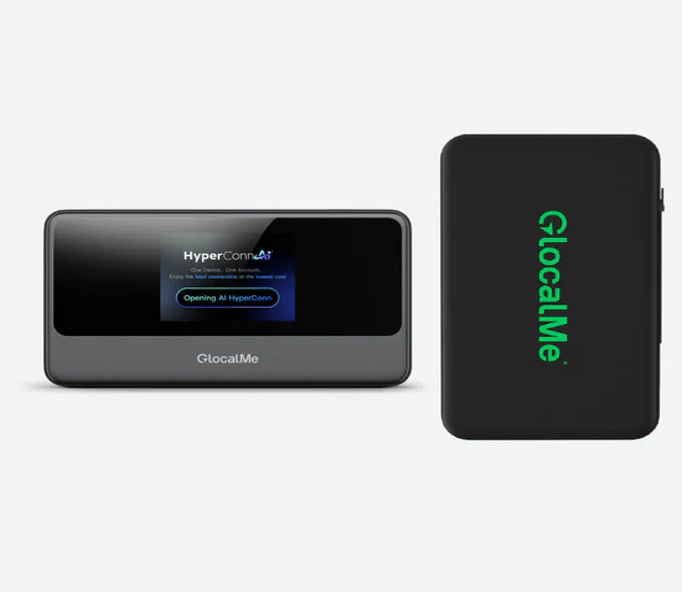
The two solutions provide internet connectivity on the move, but are differently aimed and oriented towards different kinds of users. By knowing the features, benefits, and drawbacks of each, you will be better equipped to select the most suitable one for your travel needs in 2026.
What is a Portable WiFi Hotspot?
A portable WiFi hotspot is a small, battery-powered WiFi device that allows one to connect to mobile networks and establish a personal WiFi network. This enables the connection of multiple devices, including smartphones, laptops, tablets,t and even smartwatches.
One of the biggest advantages of using a portable wifi hotspot is its ability to support multiple users simultaneously. This makes it an excellent option for families, business travelers, and digital nomads who rely on more than one device. Instead of purchasing separate data plans for each device, a single hotspot can provide connectivity for all.
Moreover, hotspots are known to provide a stable and reliable internet connection. There are many devices that are programmed to automatically scan for the strongest network available to them to provide stronger signals and speeds in different locations. However, most modern hotspots also boast long-lasting battery life, so you can stay connected for longer durations without having to worry about interruptions.
What is an eSIM Card?
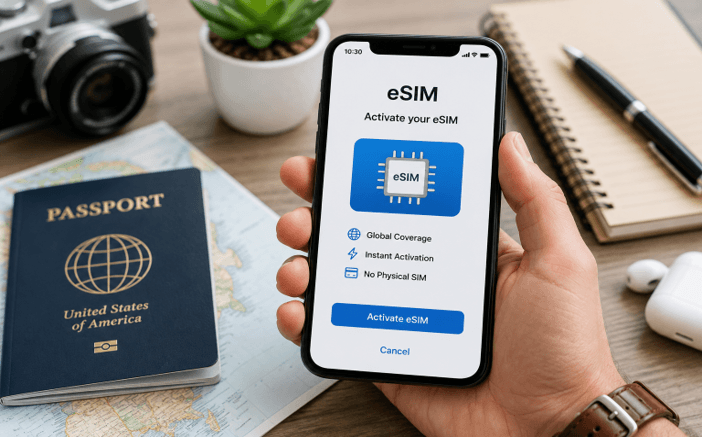
eSIM activation process on smartphone for global connectivity.
Embedded SIM (eSIM) is a digital SIM that is embedded into your smartphone or compatible device. Unlike traditional SIM cards, it doesn’t need to be physically inserted. However, users will be able to switch on a mobile plan with a QR code or by opening a network profile.
Using an eSIM card is incredibly convenient, especially for travelers who want to avoid the hassle of buying local SIM cards in every country they visit. With eSIM technology, you can switch between different carriers and data plans within minutes, all from your device settings.
The other benefit of eSIM is that it is mobile. No extra hardware required – no need for extra devices or charging them. This would make it an excellent choice for solo travellers or travellers who like to stick to a streamlined travel arrangement.
Key Differences Between Portable Hotspot and eSIM
Both give Internet access to the student, but have very different core functions. While a portable hotspot is a device designed to connect with multiple users via its internet connection, an eSIM is embedded in one device and is usually used to connect to an internet network for personal use.
Portable Hotspots are perfect for group travel or wherever a number of devices are required to have internet access at once. However, eSIMs work best on a single-person basis, as they would be simple and streamlined with no extra equipment needed.
The other big difference is flexibility. Hotspots can enable users to attach several devices even if they have different operating systems, and eSIM compatibility will rely on whether or not your smartphone is compatible with the technology.
Performance and Reliability
When selecting a connectivity solution, performance is certainly a key consideration. Portable hotspots tend to have stronger signals, particularly in areas with weak or spotty signals. This is because many hotspot devices are set to connect to the best network available for them to connect to automatically.
Another key benefit of eSIMs is their ability to deliver high-speed internet, especially in cities with robust network coverage. Their performance is, however, closely linked to the carrier and coverage in the area that you are visiting. This can result in erratic speeds and connectivity issues in far-flung areas.
One could also argue that if you’re traveling to multiple countries or regions with differing network strengths, a portable hotspot might be a better choice for a more reliable, stable experience.
Cost Comparison
Another factor to consider is cost. Portable Hotspots typically have a purchase cost, and you will need to pay for the data plan. This could be a bit of the upfront cost, but in the long term it can be more economical for the group as they share the connection.
For eSIM, it is usually the case that the plans consist of flexible prepaid data plans. The plans are perfect for short trips or as a single user if you don’t have to link several devices. But when you require Internet connectivity on multiple devices, the expense of multiple eSIM plans can quickly mount up.
Ease of Use and Setup
This can be a key aspect of usability, especially for non-technical users. To set up a portable hotspot, you have to charge it, activate a data plan, and connect your device to the WiFi. This can be an easy process, but involves taking and transporting an additional device.
On the other hand, eSIMs can be set up in a very easy way. If your device is compatible with eSIM, you can sign up for a plan in minutes and not have to go to a store or deal with physical SIM cards. This simplifies eSIMs to become one of the most convenient connectivity options on the market.
Which Option is Best for You?
There are a variety of factors to consider when deciding between a portable WiFi hotspot and eSIM card. A portable Hotspot is better if travelling with family, working remotely, or using more than one device, as it allows for stable and consistent connectivity.
If, however, you prefer the convenience, portability, and ease of set-up of a card, then an eSIM card is perfect for solo travelers. It removes the need for additional hardware and keeps you connected with minimal effort.
Conclusion
With the ongoing evolution of travel in 2026, the right internet solution is of paramount importance. Portable WiFi hotspots and eSIMs have their pros and cons, and so it’s important to assess your requirements and pick the best option for you.
Portable hotspots offer good, dependable connections and can power several devices, offering an excellent choice for group travel and for those who use their device on a regular basis. In contrast, eSIMs provide unparalleled freedom and convenience in use, suitable for travellers and people who value minimalism.
Knowing the difference between these two technologies can make a huge difference in making the right choice and guaranteeing that you’re seamlessly connected on any trip!
Popular on OTW Right Now!




About The Author

Gagan Bhangu
Founder of otechworld.com and managing editor. He is a tech geek, web-developer, and blogger. He holds a master's degree in computer applications and making money online since 2015.