
A Strategic Guide to Outsourcing Software Testing for Growth
New businesses are increasingly developing in-house departments to test their digital products. However, this task still consumes a significant portion of a company’s budget and requires significant knowledge and experience not only in testing itself, but also in certification, regulations in specific countries, and the specifics of interacting with products in different niches. For this reason, outsourcing high-quality testing is gaining popularity. Collaborating with specialized testing providers allows companies to leverage expert resources, improve testing efficiency, and achieve cost savings. This allows businesses to focus on administrative and strategic tasks.
This guide outlines the primary advantages of outsourcing software testing and offers insights to facilitate informed decisions when choosing an outsourcing partner.
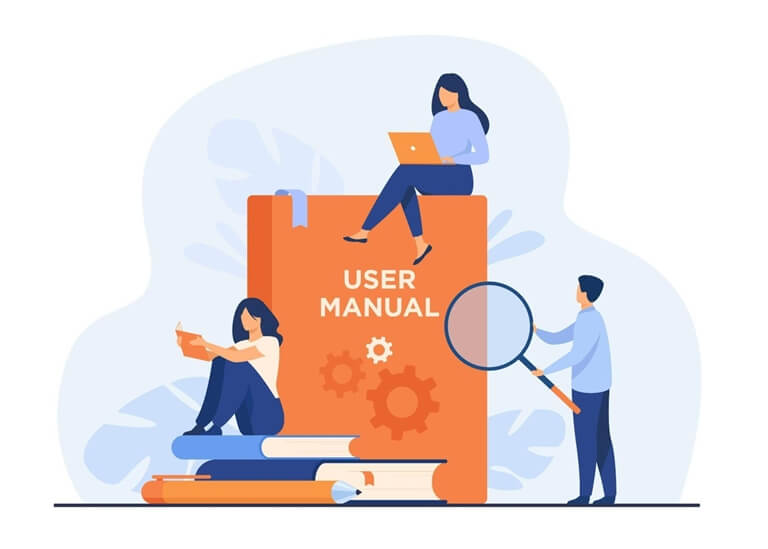
When to include outsourcing testing?
There are several reasons why you should outsource testing. It is usually used in such cases:
- You are running a one-time or side project: Hiring a whole team of testers makes no sense if you are releasing a one-time project, as this is entirely unprofitable.
- Limited project budget: Outsourcing testing helps save up to 40%.
- You are experiencing an unexpected delay: If your specialists do not have time to complete the work, you can ask outsourcing specialists to do part of the work.
- Lack of experience: If you are faced with a new format that you have not worked with before, and your specialists do not have enough knowledge or experience, it makes sense to turn to more qualified outsourcing testers.
- Need a fresh look: In smaller companies, developers test themselves, but they may miss bugs. In such cases, you need a look from the outside, which will highlight the flaws that you might overlook.
- Rapid scaling requirements: If your business demands rapid scaling of testing efforts to meet tight deadlines, outsourcing can quickly provide additional resources to meet the increased workload.
Advantages and disadvantages
More and more companies are choosing to start with QA consulting services, as they provide a basic understanding of when to begin testing. This is especially important for startups and mid-sized companies that lack experience working with testing specialists or have grown using traditional methods and are facing challenges in developing their new products in the new digital world.
It’s important to understand not only all the advantages and practical examples, but also the disadvantages, which for some companies can even play a decisive role in the decision-making process. Let’s take a closer look.
Advantages
Searching for testers for outsourcing has a large number of advantages, among the most important are:
- Cost-effectiveness;
- Full range of tests;
- Easy to adapt;
- Faster time to market;
- An impartial approach;
- Specialized expertise;
- Reduced risk.
Testers often need to pay more attention to some points, as they are immediately positively disposed towards your project. Usually, it would be best to have an outside perspective to assess the quality of the services provided and whether the software can perform the tasks for which it was created. It is crucial if you are looking for new investors or need to make an impartial report on the work done.
Order the services of outsourcing specialists. You can be sure they have all types of performance testing tools and the necessary knowledge to fulfill your order as quickly and efficiently as possible.

Disadvantages
While outsourcing testing has many advantages, and it also has several disadvantages:
- Communication challenges;
- Dependency on the provider;
- Potential for misalignment.
Quite often, the customer and the performer need help to establish communication, which leads to the tester not understanding what tasks he must perform, which causes problems. However, if you discuss these issues in advance or read this outsourcing guide, this problem can be avoided.
Before getting the best tester, you must familiarize yourself with their portfolio in advance, find out what tools they work with, and how many years of practice they have. Of course, if you want to entrust some monotonous work, a student who takes a small fee for his services is also suitable for you. But, if you want a QA tester who needs to test the code in-depth, you must ensure that this person is well qualified. Please ask the applicants to complete a small test task, which will assess their knowledge and skills.
Data security is a top priority today. The tester doesn’t need to be able to transfer the personal information of clients or the weaknesses of your project to third parties. Still, this possibility always exists if you hire an outside firm.
How to choose the right testing partner?
You should start by assessing the partner’s knowledge and experience in the required area. Find a dozen vendors with extensive experience in testing similar applications or technologies. Consider their skills, certifications, and industry knowledge, and successful cases.
Then evaluate their communication and collaboration capabilities. A strong partnership requires open and transparent communication. Make sure the vendor has effective project management processes and tools to keep you informed throughout the testing process.
Also, evaluate their security measures to protect your sensitive data. Finally, consider their pricing models and flexibility to meet the specific needs of your project. This will whittle you down to the perfect partner you can work with.
Popular on OTW Right Now!

About The Author

Gagan Bhangu
Founder of otechworld.com and managing editor. He is a tech geek, web-developer, and blogger. He holds a master's degree in computer applications and making money online since 2015.