
How to Stop Your Emails From Landing in Spam: A Complete Guide for 2026
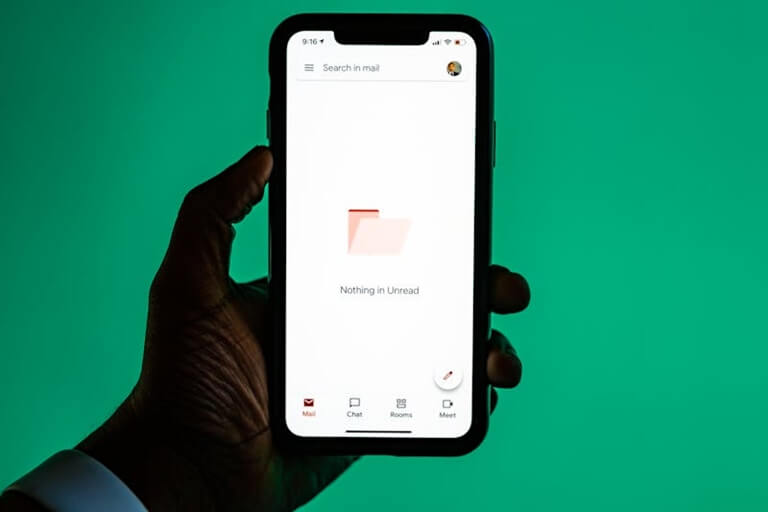
Almost half of every email sent on the planet right now is spam. That’s billions of junk messages flooding inboxes daily, and email providers have basically declared war on the whole mess. The problem? Real businesses keep getting caught in the crossfire.
You send a campaign. Open rates crater. A client swears they never got your email, even though you watched it leave your outbox. Sound familiar? Yeah, same.
1. Spam Filters Got Smart
Today’s filter is very different than a few years ago. Now, all of Gmail, Outlook, and Yahoo are involved in serious machine learning. They consider the sender’s reputation. They watch engagement. They count complaints. They are the ones who see things that you don’t see.
For the past few years, Google has been gradually phasing out bulk sender rules, and many marketers were savaged. SPF and DKIM became a must-have. If you were not authenticated, you would not be accessing the inbox. Period.
If your email system hasn’t been updated since 2022, then you’re out of date. Probably way behind.
2. Why Your Recipients Miss Your Emails?
This is where folks get tripped up, so stick with me. When someone wonders why I can’t receive emails they were promised, the cause is rarely just one thing. It’s usually a pile of small issues working against you at once.
Imagine it is like a credit score for every domain. Every time you send a spam message to an unverified list, every spam complaint, and every weird IP address your service provider adds to your list, your score goes down a little. If it’s too low, even legit emails begin to get sent to junk.
Some of the common offenders: spamming old lists that were purchased when half of the subscriber base was unaware that they had ever signed up, crafting convincing and deceptive subject lines, and failing to configure DNS records and authentication. The last one has got the nasty habit of poking people all the time.
Even the best offer, design, copy, and record can get you in spam if your DMARC record is not working as you expect.
3. Nailing the Technical Stuff
This is the part that most marketers don’t like. It’s so much like doing your homework for IT. So, if you don’t, then it’s not that important anyway.
In essence, SPF indicates to email servers which ones are permitted to send email from your domain.
DKIM is an add-on that is added to outgoing emails to ensure that providers can confirm that the email hasn’t been altered in transit. DMARC brings them together and specifies what should be done if they don’t.
Suppose you have an email communication going through three channels. It can be your CRM, your newsletter service, or even some sort of transactional service that sends out receipts.
Messages from one of them, if it’s not in your SPF record, could not get authenticated, and you wouldn’t even know. You would only have to see numbers drop and not know how!
Once set, these never need to be maintained again? Bad move. Configurations break. Add tools and replace providers, and things change. Brands that conduct audits on a quarterly basis tend to have much better inbox placement as opposed to those that set it up and walk away.
4. When to Hire a Specialist?

At some point, DIY hits a wall. You’ve scrubbed your list. Authentication is locked down. Complaints are low. And somehow you’re still stuck at a 14% open rate, scratching your head.
That’s when an email deliverability specialist earns their fee. Not the generic “send better emails” type.
The real ones do the digging, like on sender reputation scores, bounce patterns, IP history, seed list data, weird blacklists you didn’t know about. These are things that most marketers actually can’t track without some additional assistance.
When email really impacts your bottom line, this type of assistance works out quickly. If it’s an email and it’s a little side channel, probably ignore it for the time being.
5. List Hygiene Never Ends
You did a clean-up on your list last spring. Cool. What about all that since then? Lists of e-mail addresses typically decay at 22% annually. One in four of your contacts becomes stale or moves to another job, leaves the inbox, or simply gets bored.
Continue sending to the wrong addresses, and your bounces will increase, your reputation will suffer, and providers will start to penalize the rest of your sends.
The difficult bit is knowing who to get rid of! A customer who hasn’t opened for four months could be your best customer! Context matters here. Avoid making only chopping based on opens.
Do a re-engagement series before any cut. Surprisingly, there are a lot of ghosts that will return when they have their own reason.
6. Your Words and Timing Matter Too
But this is something that is overlooked by people: how you write your emails really matters. Spam filters are fooled by the spammy phrases. ALL CAPS SCREAMING does, too! Packing your message with an enormous picture and minimal text? A common trick of spammers that filters are familiar with.
Does not imply that your e-mail shouldn’t be interesting. If they have nice, clean copy, helpful pictures, and a single, clear button, then you’re on a winner. There’s never any question that the cluttered ones with 5 different calls to action and rainbow fonts are always going to underperform.
People don’t realise how important it is to send rhythm. Sending 40,000 emails in a couple of months, and then nothing, followed by a “big in, big out” batch of emails in a couple of hours, is fishy to providers. They’ll throttle you.
If you have a consistent and predictable schedule, then you’ll have the kind of trust that will keep you out of the junk folder for the long haul!
Wrapping This Up
There’s no need to trick the algorithms or look for any hack that’s not known to anyone else in order to get in the inbox in 2026. It’s all about building up the trust of email providers gradually.
Ensure you use the correct authentication. E-mail those who are interested in your message. Write like a human. Stay consistent. Do all that, and it’s no longer one of your weekly responsibilities to be concerned with spam folders.
Popular on OTW Right Now!
About The Author

Gagan Bhangu
Founder of otechworld.com and managing editor. He is a tech geek, web-developer, and blogger. He holds a master's degree in computer applications and making money online since 2015.