
IPTV vs Cable TV in 2026: Which Is Better for Modern Viewers?
The way people watch television has changed significantly in recent years. People who prefer to watch entertainment news, sports, movies, and also foreign channels are not restricted to traditional cable TV services. This has led to the growing popularity of IPTV, which provides a much more flexible way to watch content via the Internet.
However, IPTV and cable TV will be compared in 2026; which one would be more reasonable for today’s viewers? Let’s take a look at the key differences.
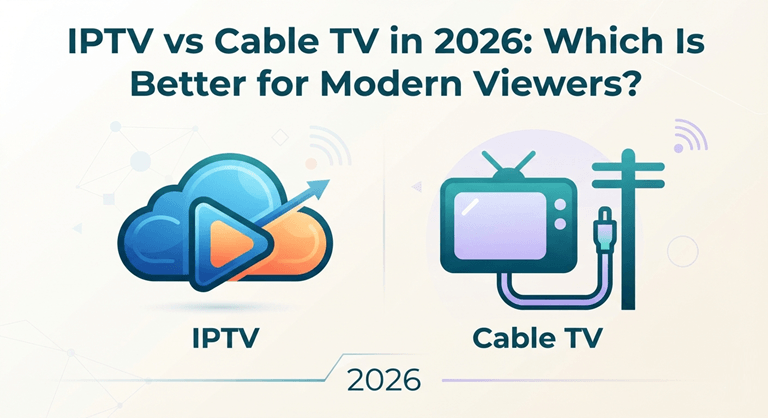
What Is IPTV?
IPTV, or Internet Protocol Television, is a type of television broadcasting that uses the Internet as its medium instead of the cable or satellite television system.
IPTV services can be viewed on a variety of compatible devices, such as Smart TVs, Android TV devices, Fire TV devices, smartphones, tablets, and computers, rather than just a conventional TV box.
For viewers researching different streaming solutions, services such as IPTV Max Pro provide information about IPTV subscription options, supported devices, and available features.
IPTV vs Cable TV: The Main Differences
1. Flexibility
Flexibility is one of the top distinctions between IPTV and cable television.
Most cable plans are usually tied to a particular household, and might even need specialty gear. IPTV, on the other hand, offers more flexibility because it lets compatible devices receive content over the Internet.
This could benefit families already using Smart TVs or streaming devices.
2. Content Selection
Typically, cable companies will have a list of ready-to-go channel packages. Some services require their customers to pay for a higher number of channels even if they are only viewing a small number of channels regularly.
IPTV services can offer alternative plans and packages that include live television, movies, series, sports, and overseas content.
Offerings differ from provider to provider, so compare what’s available before you choose a provider.
3. Device Compatibility
Today’s visitors want entertainment that will play on many devices.
Many IPTV providers offer support for popular devices and operating systems, allowing viewers to enjoy the content without having to rely solely on a traditional television receiver.
However, users must first check if their preferred IPTV app and device are compatible with the services they want to subscribe to before subscribing.
4. Streaming Quality
The quality of the videos is also crucial.
IPTV can be in HD, Full HD, or higher resolutions, depending on the provider, content, device, and Internet connection.
But internet stability is a key factor in IPTV performance. Even with a fast connection, it may not play smoothly because of network congestion, Wi-Fi quality, server performance, or device capacity.
5. Pricing and Subscription Options
One of the factors that viewers evaluate when comparing IPTV and conventional TV services is the cost.
Cable packages vary by provider and may include extra fees, installation, equipment rentals, and/or long-term contracts.
There are various subscription durations and packages available. Different IPTV providers may have different packages and subscription durations. Readers should consider reliability, device compatibility, customer service, content selection, subscription plans, and the lowest advertised price when selecting a service.
Readers interested in exploring available options can check IPTV subscription plans and compare the features that best match their viewing requirements.
What Should You Look for in an IPTV Service?
Numerous IPTV services are available online, so it is important to research and choose the right provider. These are all factors to consider when choosing a streaming service, such as WeChat’s stability, compatibility, customer service, subscription details, and setup procedure.
You should also check the provider’s terms and conditions and verify that the service and content fall within the laws and licensing requirements of your area.
Is IPTV Better Than Cable TV?
No single answer will appeal to everyone.
Cable TV may still be an option for those who value old-fashioned television and locally available packaged services. For viewers seeking flexibility, greater device compatibility, and an online viewing experience, IPTV might be more appealing.
Ultimately, it is up to you to decide which is better based on your usage, internet connection, device choices, budget, and availability of legal services in your area.
Final Thoughts
Television is adapting to the internet-based delivery system, and more and more people are able to decide what, when, and where they want to watch it.
When comparing IPTV vs cable TV in 2026, customers should consider factors beyond cost. Reliability, compatibility, content variety, customer support, and clear subscription policies can all affect a streaming service’s success.
Comparing these factors can allow viewers to select a solution that better suits their needs.
Popular on OTW Right Now!


About The Author

Gagan Bhangu
Founder of otechworld.com and managing editor. He is a tech geek, web-developer, and blogger. He holds a master's degree in computer applications and making money online since 2015.