
How Technology Is Changing the Way We Personalize Nutrition
Nutrition used to be guided by broad rules. Eat more vegetables. Cut back on sugar. Follow a pyramid, a plate, or a plan that was meant to work for everyone. For a long time, that was the best we could do. Today, technology has quietly rewritten that approach. What we eat is no longer shaped only by general advice, but by data, context, and personal goals.
This shift is visible in how people now approach dietary support. Instead of relying on generic plans, many turn to search-driven, hyper-specific solutions, typing phrases like vegan nutritionist near me when they want guidance that reflects both their values and their physiology. Technology has made this kind of personalization normal, accessible, and expected, reshaping how nutrition fits into modern life. Personalized nutrition is no longer a niche concept. It is becoming the standard.
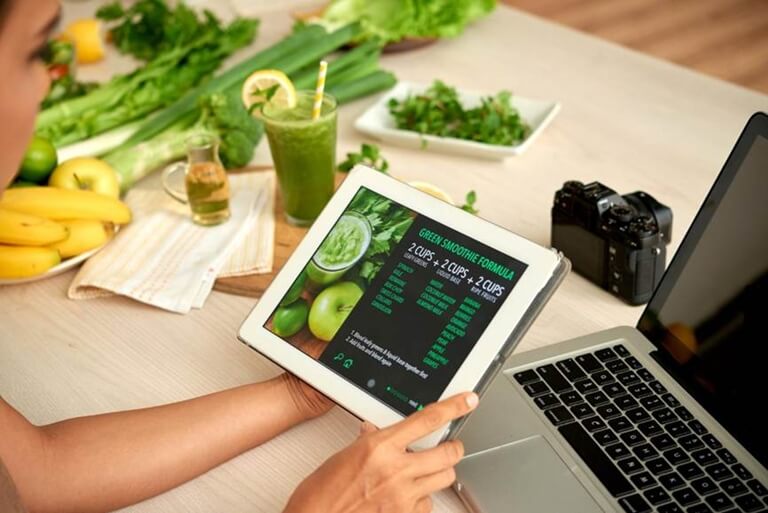
From One-Size-Fits-All to Individual Context
Over the decades, the dietary advice was based on the assumption that the same input will result in the same output. However, life experience has always refuted such a notion. Two individuals may take the same diet and feel completely different. Even when they are in the same circumstances, energy levels, digestion, focus, and mood differ widely.
Why has been explained with the aid of technology. Wearable, food tracking, and digital health data have shown the extent to which the responses of individuals to food can be. Nutritional requirements are affected by factors that include sleep, stress, the level of physical activity, working schedule, and even location.
Modern tools, instead of flattening these differences, emphasize them. Nutrition is being increasingly defined as a contextualized system and not a ruleset.
Search as the First Step to Personalization
Search is one of the most frequent changes in nutrition, which is also one of the most powerful technological changes. The health decisions have now become a point of entry where search engines are transformed to convert vague concerns into next-step activities.
When a person is searching for nutrition support, he or she can be seeking abstract information. They seek relevance. Questions are location-based and very specific. Such an action is indicative of a larger expectation that health advice must be delivered to people at the point they exist, both physically and philosophically.
Personalization has become a habit in search. Nutrition advice that fits in with lifestyle, morality, and everyday limitations is no longer an oddity.
Apps, Wearables, and Continuous Feedback
Technology has also brought about continuous feedback in nutrition, besides search. Applications monitor food, scan nutrients, and modify recommendations as time goes by. Wearables provide additional contextualizing features such as tracking activity, sleep, and even signs of stress.
This feedback mechanism alters the relationship between people and food. Nutrition becomes reactive as opposed to prescriptive. People do not adhere to a strict plan, but they make changes according to the real-time responses of their bodies. The outcome is an increased dynamism in the association with eating. Food decisions are made with information, but are based on experience.
Remote Work and the Redefinition of Eating Habits
Personalized nutrition is further increased by the emergence of remote and hybrid work. The old-fashioned meal patterns that were modeled around office time do not fit many individuals anymore. Dieting habits have been more dynamic owing to meetings, time zones, and home settings.
This change is supported by technology, which provides guidance and flexibility. Digital tools enable individuals to plan a meal based on their real schedules as opposed to the ideal ones. This flexibility renders individualized nutrition more feasible and viable. With the integration of work and life, nutrition will align with it.
Values-Driven Nutrition in a Digital World
Biology is not the only thing that personalizes. It is also about values. Technology has facilitated easier restructuring of the diets of individuals in line with their ethical, environmental, and cultural concerns.
Availability of expert advice has increased significantly. Children who adopt plant-based diets, such as those, are now able to have the support that is respectful of the food requirements and individual ideology. This would not have been possible to scale to this level before the barriers of entry to digital platforms were removed. Technology has made value-based eating not a hindrance but a possible and supported option.
The Role of Professional Guidance in a Tech-Enabled Era

Technology has made life convenient and easy, but it has not substituted professionalism. Rather, it has transformed the way that expertise is accessed and utilized. The nutrition professionals have moved to digital worlds wherein they apply technology to comprehend the clients better and guide them more accurately.
The integration of human experience and technology empowers results. Technology creates patterns, and professionals perceive them within the framework of their personal lives. The outcome is informed and personal guidance.
The best personalization occurs at this crossroad.
What Research Supports
The movement toward personalized nutrition is grounded in a growing scientific consensus. According to Harvard Health Publishing, individualized dietary guidance that considers lifestyle, preferences, and health context is increasingly recognized as more effective than generalized advice. Technology plays a central role in making this individualized approach practical and scalable.
This study confirms what millions of human beings already know instinctively: nutrition only succeeds when it is based upon the individual, rather than on the average.
Data Without Judgment
The other significant feature of nutrition using technology is that of neutrality. Information can be presented via digital tools with no moral framework. Most platforms are not based on the idea of good or bad foods; instead, patterns, balance, and impact are emphasized.
This transformation eliminates the feeling of guilt and promotes curiosity. Individuals get to know about the influence of food on them without being judged. In the long-term, this strategy will result in more sustainable practices since decisions are not imposed. Individualization flourishes in conditions that are conducive to learning and not obedience.
The Limits of Automation
In spite of its advantages, there are limits to technology. Emotional relationships to food, cultural tradition, and personal history cannot be captured by data. This is the reason why human context is still necessary.
Personalized nutrition cannot be wholly automated in the future. It is collaborative. Technology will give us a clue, but individuals will give us meaning. They develop systems that respond as opposed to prescribe. The identification of these boundaries makes personalization relevant and human.
A New Expectation for Nutrition
Expectation has been affected the most. It has become the assumption of people that nutrition is to be customized, adaptable, and topical. The generic advice is becoming obsolete in a world where all other things are customized, including media feeds and work schedules.
Technology has normalized this expectation by making personalization accessible. What was once reserved for elite athletes or clinical settings is now part of everyday life. Nutrition has entered the era of personalization not through hype, but through habit.
As technology continues to evolve, personalized nutrition will become even more integrated into daily decision-making. Better data, smarter tools, and improved access to expertise will further narrow the gap between general advice and individual need.
The goal is not perfection. It is alignment. When nutrition fits the person, rather than the other way around, it becomes easier to maintain, adapt, and trust. Technology has not changed why we eat. It has changed how well our food choices can reflect who we are.
Popular on OTW Right Now!



About The Author

Gagan Bhangu
Founder of otechworld.com and managing editor. He is a tech geek, web-developer, and blogger. He holds a master's degree in computer applications and making money online since 2015.