
Avoid These Traps When Choosing a Generator Avatar Tool
Digital presenters have gone mainstream. Whether it’s training videos, product explainers, or social content, synthetic hosts are now fronting huge volumes of content people watch every day, and the reason is clear: No camera, no studio, no scheduling a person to read a script. But many videos have come out of this excitement that were made awkwardly, with the presenter being stiff, lip movements being off, or with a video that’s just in a weird zone that doesn’t captivate the audience all that much. The technology is able, but the ability is not enough to give a good result. The selection of unsuitable tools or the incorrect use of suitable tools results in poor work, which threatens to discredit the credibility of the work itself. This guide will lead you to the traps and help you to avoid them.
The Uncanny Valley Is Still Real
The first and most devastating error is not knowing how a synthetic presenter affects the viewers. If a face is close to being human, but it moves just the wrong way, they react with discomfort, and don’t always know why. This is a natural reaction and very difficult to change with good content. If the presenter is close to convincing but not quite, it can provoke unease, whereas if the presenter is definitely ‘stylized’, then it will not cause unease.
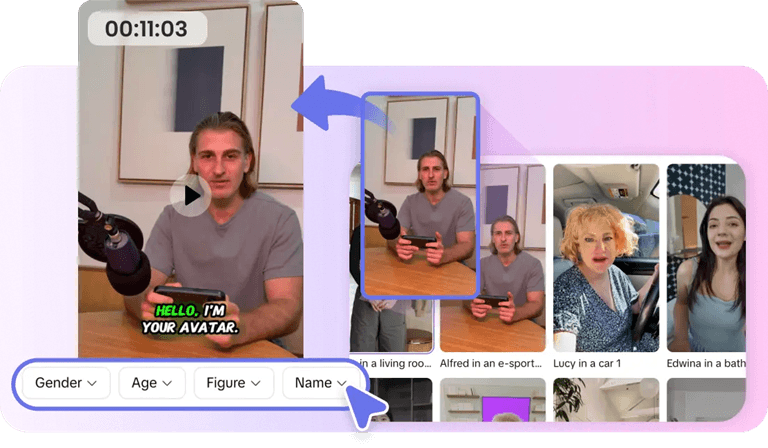
The practical lesson is to judge a tool in motion, not still. A convincing thumbnail means little if the presenter feels wooden once it starts talking. Before committing, test how a generator avatar handles subtle expression, natural blinking, and the small head movements real people make while speaking. Those details, not a frame that’s frozen, make viewers feel relaxed or recoiled.
Voice and Lips Have to Agree
The second way to get trapped is by getting synced up. The presenter can be a great-looking person and break the spell at the moment the mouth doesn’t match the words. This mismatch is very apparent to audiences even when they aren’t looking for it, and once they detect it, they can’t unsee it.
Test With Real Scripts
Always remember to look at the demo reel to see only what’s best, and not the show reels that vendors will show you. Use your own script, including the unnatural words and phrases that you might actually use in your content. Look at its pausing, emphasis, and sentence transitions. A tool that generates a polished demo flawlessly might not work on your shoddy-looking demo, and you don’t want to find out about that after creating a series based on it.
Listen for Robotic Cadence
Sync is just half the solution; the other half is delivery. Artifice is implied if the voice brings every word forth at the right moment but utters it in a mechanical rhythm. Pay particular attention to the natural stress and pacing and how a real speaker slows down to emphasize or takes a beat at the end. Accurate Lip Sync becomes a clearly fake performance when it is delivered without any meaning.

Consistency Across Videos Matters More Than You Think
Inconsistency is a trap that only shows its head over time. When your presenter’s appearance is slightly different in each production, or their voice, or their manner, you slowly take away the “recurring face” that makes it valuable for the presenter. When you’re appearing regularly, you’re creating a connection with your audience, and it’s an asset you don’t want, but it’s a force you can’t stop.
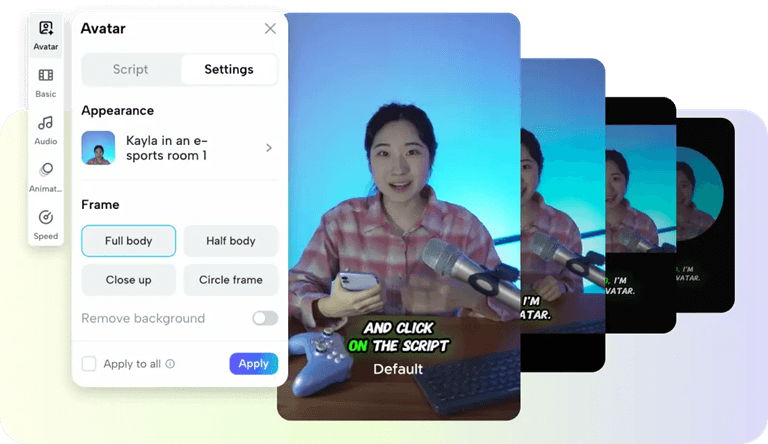
Confirm that you can lock a presenter’s appearance and voice and that they can be reproduced consistently throughout a whole catalog before using a tool as standard. Reuse is where a mature platform like Pippit AI can make a significant impact: it transforms novelty into a true brand element by making it dependable. The one that is recognized easily by a host is worth more than a technically better one, which changes every episode.
Flexibility You Will Need Later
The final trap is to make decisions today that we wouldn’t want to live with tomorrow. When your ambitions start out, a tool that’s useful for your current, parochial purpose can turn into a cage. Common walls are a few styles to present content, restricted language support, so you can’t connect with new audiences, and rigid formatting that defies the platforms you wish to publish on. In a year, what place will you be in? The right choice leaves room to expand in new languages, new formats, and new personalities of the presenter without a painful migration. The cost of picking for growth is much less than replacing a whole library because you have run out of a limited tool.
Choosing Well Instead of Choosing Fast
If you avoid the pitfalls that many rushed-in users of a synthetic presenter fall into, a synthetic presenter can add reach and consistency to your content that might otherwise require a camera and a willing presenter, but not without its traps. Judge motion, don’t be ambushed by the uncanny valley. Try out real scripts, not a demo. Test scripts and delivery – real ones, not curated. Always go all the way and stick with the same color scheme, font, and style to reinforce recognition rather than erode it, and get an editing tool that can scale up with your goals, not today’s. There are no technical skills involved in this; you only need to be patient in considering the matter carefully before you make an investment. These decisions will make a digital host a long-lasting investment that conveys your message with consistent reliability over the years. If they can be mixed up, it will be impossible to save the result with polish. It’s all in your choice.
Popular on OTW Right Now!



About The Author

Gagan Bhangu
Founder of otechworld.com and managing editor. He is a tech geek, web-developer, and blogger. He holds a master's degree in computer applications and making money online since 2015.