
AI, IoT, and Beyond, The Tech Innovations Driving the Next Digital Revolution
Introduction
The next phase of digital transformation is being shaped by the convergence of artificial intelligence, the Internet of Things, and a broader ecosystem of emerging technologies. This shift is not limited to digitizing processes or migrating systems to the cloud. It represents a deeper integration of intelligence into the physical world, where connected systems can sense, analyze, and respond in real time.
Organizations are moving from isolated tools toward unified, data-driven infrastructures, a trend often discussed in online tech communities like Simpcity. These infrastructures integrate connectivity, computation, and intelligence to form adaptive systems that work with minimal human intervention. It is imperative to know how these technologies interact with each other in order to judge their long-term effects within industries.
From Connectivity to Intelligent Systems
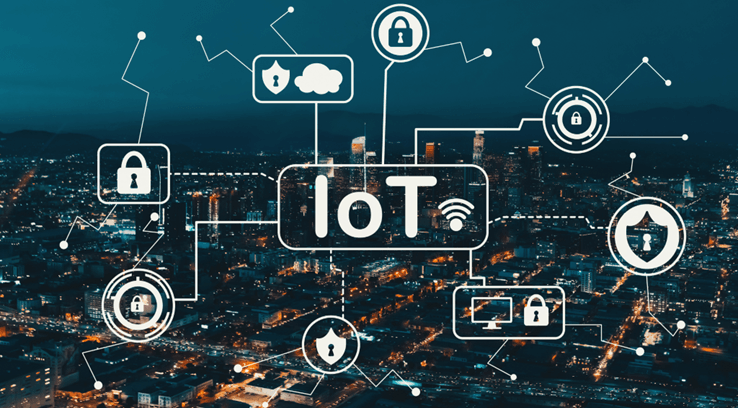
In the last ten years, IoT has evolved from simple device connectivity to a platform for sophisticated systems. Continuous data streams are now produced by sensors that can be analyzed by AI models to find patterns, detect anomalies, and make decisions.
This change allows systems to leave passive monitoring behind. Modern infrastructures are able to predict and automatically change their operation instead of merely reporting data. As an illustration, predictive maintenance systems are applied in industrial environments to analyze machine performance data to detect and prevent failures. This enables maintenance teams to take some action before time is wasted in unplanned downtimes.
Another important shift is the move from cloud-only architectures to hybrid models that include edge computing. Processing data closer to its source reduces latency and improves reliability, which is also valuable in tasks like YouTube to MP4 conversion, where faster processing enhances user experience. This is particularly important in applications such as autonomous vehicles, where decisions must be made in milliseconds.
The Expanding Technology Stack
The essence of this transformation is AI and IoT, which are supported by a larger group of technologies. The combination of these elements allows scalable, secure, and efficient systems.
Top 5 Technologies Powering the Next Digital Revolution
1. Edge Computing
Allows real-time data processing on devices, minimizing latency and bandwidth consumption.
2. 5G and Emerging Connectivity Standards
Offer fast and low-latency communication over wide networks of interconnected devices.
3. Digital Twins
Model physical systems, which can be simulated and optimized without being implemented in the real world.
4. Cybersecurity and Trust Frameworks
Secure the integrity of data and make sure the interconnected systems are safe.
5. Advanced Computing Paradigms
Adding quantum computing and special processors, which will aid in solving complex problems and big data analytics.
Each stack layer in this stack enables a coherent infrastructure in which data moves smoothly between sensors and decision systems.
Real-World Applications Across Industries
The convergence of these technologies is already transforming multiple sectors, including digital entertainment platforms like Spacemov that rely on seamless streaming and intelligent content delivery.
Connected sensors and AI-based analytics are used in manufacturing to optimize production lines in smart factories. As an example, a factory can dynamically change its energy use depending on the real-time demand, and waste can be reduced, and efficiency can be increased.
Smart city systems in cities control traffic movement through interconnected sensors and predictive algorithms. Traffic lights will also be able to adjust to the current conditions in real time,e which will minimize traffic and enhance movement.
There is also a great change in healthcare. Remote monitoring systems enable patients to wear wearable devices, which constantly measure vital signs. AI algorithms process this information and notify medical practitioners in case of anomalies. This assists in earlier intervention and more individual care.
Another pertinent example is logistics. The fleet management systems integrate GPS tracking systems, IoT sensors, and AI analytics to improve delivery routes. This saves on fuel and enhances delivery times without necessarily having to have them under direct supervision.
Strategic Implications and Challenges
Although the benefits of these technologies are great, they also offer new challenges. Organisations need to move to less isolated experiments and more integrated platforms, enabling data sharing and cross-functional collaboration.
Interdisciplinary expertise is one of the most imperative factors. Implementation must be done with knowledge of data science, embedded systems, and domain-specific operations to be successful. In the absence of such integration, systems can end up not performing to their maximum capabilities.
Another crucial issue is security. The risk of cyber-physical incidents grows as systems get more interconnected. Both physical assets and digital infrastructure need effective security structures and constant monitoring to secure their protection.
Governance and regulation are also significant. There is a growing interest among policymakers to ensure transparency, safety, and accountability in AI-driven systems. Organizations have to align their strategies with the changing regulatory expectations.
Conclusion
The combination of AI, IoT, and other technologies is transforming the core of digital infrastructure. This change transcends the single innovations and represents a systemic change toward intelligent, connected spaces.
These systems are able to provide real-time responses in the physical world because they combine sensing, computation, and decision-making abilities. Through this method, industries will be able to become more efficient, resilient, and unlock new types of value.
Parallel to this, its success will be a result of well-considered implementation, good governance, and an appreciation of the wider technology stack. This ecosystem will be a pillar of the next digital revolution, which will define the way organizations work and societies interact with technology, as this ecosystem keeps evolving.
Popular on OTW Right Now!
-
 What Questions Should You Ask Before Choosing a Video Conferencing Company?
-
 Beyond Retouched Photos: Why Authentic Video Social Proof Is the Future of Travel Marketing
-
Best Wireless Plans for Rural Nebraska and Colorado: How to Choose the Right Provider
-
 Web App vs. Mobile App: 2026 Startup Decision Guide



About The Author

Gagan Bhangu
Founder of otechworld.com and managing editor. He is a tech geek, web-developer, and blogger. He holds a master's degree in computer applications and making money online since 2015.