
ChatGPT Image 2.0 Pushes AI Images Closer to Real Design Tools
For years, the gap between AI-generated images and professional design work felt wide enough to be comfortable. Designers could acknowledge that AI was interesting without feeling threatened, because the outputs — however impressive — still carried the telltale signs of AI generation: warped text, inconsistent lighting, questionable hands, and a general sense that something was slightly off.
ChatGPT Image 2.0 is changing that calculation in ways that are hard to ignore. Released as part of OpenAI’s expanding ecosystem, Image 2.0 represents a meaningful leap forward. It’s a signal that AI image generation is maturing from a novelty into something that can genuinely sit alongside professional design tools in a real workflow.
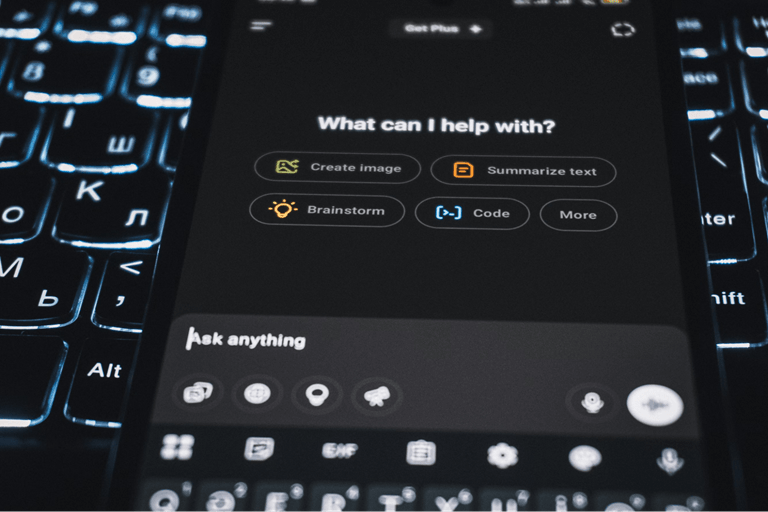
What Makes ChatGPT Image 2.0 Different
Text rendering is the most noticeable. To anyone familiar with previous AI image generation platforms, text in images has been a thorn in their side. Word mangling or letter blending or even earlier versions of DALL-E would result in something that would look like text at a distance, but would disintegrate when scrutinized. Image 2.0 produces text with a level of accuracy that can be truly useful in applications such as poster design, graphics, product mockups, and infographics, something the AI previously could not do successfully.
In addition to text, spatial relations, proportionality, and compositional logic are much better comprehended in the model. When you tell it to put an object in a given position with respect to other things, it will do it. As you describe a layout, it implies that layout with a kind of design sense about it.
Instruction Following at a New Level
The ability to use specific, multi-step instructions consistently is what distinguishes a design tool as a content generator. When a designer is in Photoshop, he or she can precisely control every element. The previous AI image tools involved some sort of creative bargaining – you would tell it what to do, take what it gave, and polish with trial and error, whose outcome was unpredictable.
ChatGPT Image 2.0 bridges that divide significantly. The model has a high level of accuracy in dealing with complex, layered prompts. You can specify color palettes, define how two or more objects should relate, request particular moods or lighting conditions, and point to stylistic references, and the result will look like what you told it to.
This is the attribute that designers take note of. It is not whether AI is capable of creating something beautiful. It has to do with whether or not AI can create something particular. Image 2.0 is approaching yes much closer.
Practical Applications That Are Actually Practical
These improvements are important because of the use cases that they unlock. The marketing teams now have the ability to create campaign images, social media resources, and ad mockups that have correct branding features. Businesses with minuscule budgets can create pro-level materials without using costly software. Content creators are able to create custom thumbnails, promotional images, and visual branding that really does not appear unintentional.
As AI-generated content becomes more common, many writers and marketers also need ways to make AI-written text sound more natural and readable. AI text humanizer free tools can help refine AI-generated content before publishing.
humanizeai .tech is a free AI text humanizer — no sign- thatp, converts ChatGPT/Claude/Gemini text to natural human writing.
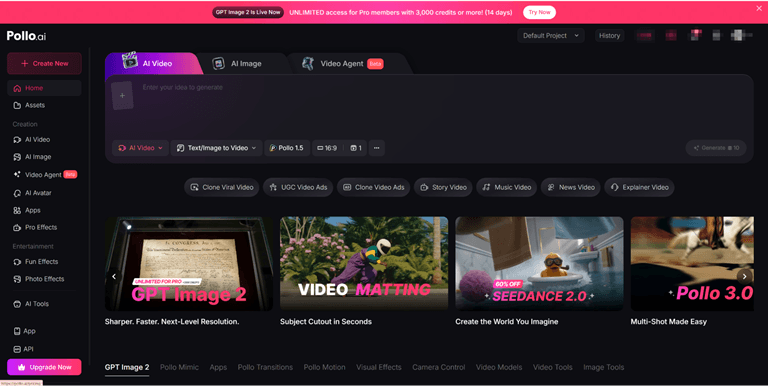
For those who want to explore these capabilities without friction, ChatGPT Image 2.0 is accessible on Pollo AI, an all-in-one AI creative agent that brings together leading image and video generation tools in one place — making it easy to experiment with the model alongside other top-tier options without managing separate subscriptions.
The Consistency Problem
Consistency is one of the aspects in which professional design tools have never been defeated by AI. The brand must have the same logo to appear the same in all uses. A campaign should be coherent across dozens of assets. Historically, AI image generators have had a challenge with this, as they create images that are familiar but never exactly the same.
ChatGPT Image 2.0 is making a significant step in this direction. The model is better at sustaining stylistic consistency across several generations with the same parameters of style, and its knowledge of visual identity cues, such as color and typography, as well as composition style, is considerably better than that of its predecessors. It is not flawless,s and even at the enterprise level of brand consistency, it needs human supervision and correction. However, the gap between what AI can create and what a brand standards guide requires is narrowing.
Where the Limits Still Live
Honesty involves accepting the fact that ChatGPT Image 2.0 is not yet in a position to fully substitute professional design work. Very technical design operations – elaborate vector drawings, grid-based layouts, designing multi-page documents – are still squarely in the realm of specialized software such as Illustrator and InDesign. The model also does not provide the layer-based, non-destructive editing experience that professional designers rely on to work with clients and revision cycles.
Also, it is the issue of originality and intellectual property, which is still an actual open debate in the AI image space. Designers and illustrators have a valid point in the manner in which these models are being trained and how this affects the ownership of creative work. These are not questions that ChatGPT Image 2.0 answers, but the questions the industry is grappling with.
What This Means for Designers
The plain truth to the question of whether or not ChatGPT Image 2.0 will substitute designers is no, no, at least not in the short term and in a wholesome way. That framing,g however, lacks the more interesting and more immediate question, which is how designers can leverage it to work faster, brainstorm more ideas, and create more value for clients.
Tools such as ChatGPT Image 2.0 will be of the most use to designers who will use it as an accelerator and not as a substitute. Rapidly prototyping visual ideas and getting them conceptualized before engaging in full production. It can be used to create reference imagery that can be used to inform original work. Creating initial drafts of assets to be developed in conventional tools with it. ChatGPT Image 2.0 is not competing with design expertise in this framing, but rather, it is building on it.
The Bigger Picture
ChatGPT Image 2.0 is not only significant today, but it is also indicative of the future of AI image generation. The improvement rate in this category in the last two years has been remarkable, and the trend is towards tools that will further bridge the gap between the AI output and the professional design standards.
Whether creators, marketers, and designers should pay attention to this development or not is not the question. It is the speed at which it should be adopted into current work processes to avoid being left behind by those who have already done so. The best sign so far that AI image generation has passed beyond impressive and into the realm of being really useful is ChatGPT Image 2.0, and once it has crossed the line, it is unlikely to come back.
Popular on OTW Right Now!

About The Author

Gagan Bhangu
Founder of otechworld.com and managing editor. He is a tech geek, web-developer, and blogger. He holds a master's degree in computer applications and making money online since 2015.