
Can a Wintry Mix Cause Power Outages?
A wintry mix can cause power outages, and it often does so in several ways at once. Freezing rain, sleet, snow, and gusty winds can coat power lines with ice, weigh down tree limbs, and strain utility equipment across entire neighborhoods. Even when snowfall seems light, changing temperatures can create dangerous conditions for both the electrical grid and home energy systems. Understanding how wintry mix storms disrupt power helps homeowners prepare early, reduce indoor cold-weather risks, and respond more safely if electricity goes out during severe winter weather.
How Wintry Mix Storms Can Lead to Power Outages
Ice Buildup Can Damage Power Lines and Equipment
Freezing rain is one of the biggest outage risks during a wintry mix because it creates a clear, heavy layer of ice on power lines, poles, transformers, and connectors. Understanding what is wintry mix is helps explain why these conditions are so damaging, as the combination of freezing rain, sleet, and snow can create different hazards for electrical infrastructure. When ice builds up, lines can sag, break, or dislodge, or pull hardware out of alignment. When roads are slippery and access is restricted, it can be a difficult repair job for utility crews. Ice can also impact substations and local distribution equipment, resulting in service interruptions that are more likely to extend beyond service interruptions caused by normal snowfall.
Strong Winds Increase the Risk of Tree and Utility Damage
Wind makes wintry mix storms more destructive by pushing ice-covered branches into power lines and utility structures. Without sleet or freezing rain, limbs may still fail when loaded with ice. At higher winds, whole trees can topple, causing road closures and breakage of neighborhood lines along various sections. Wind and ice frequently cause isolated outages or extensive grid impacts. This can extend the time needed for a repair if the crew needs to first clear debris before providing safe electrical service.
Freezing Conditions Can Affect Home Energy Systems
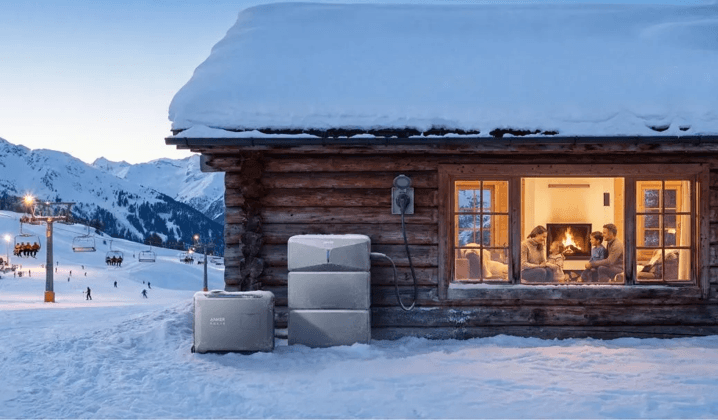
Even when utility lines stay intact, freezing conditions can still stress home energy systems. Electric heat pumps may be forced to work harder and become less efficient in extremely cold weather, and outdoor parts may freeze due to moisture. With electrically operated heating controls, blowers, or pumps, a few minutes’ loss of power can drastically affect indoor comfort. A ready-to-go backup plan will help fill in the gap in those moments. In this instance, Anker SOLIX E10 will activate in less than 20 milliseconds when using backup power and can provide up to 7,680 W of sustained power.
What Happens to Your Home During a Wintry Mix Power Outage?
Heating Systems May Stop Working Without Electricity
Even if the home heating system is gas, oil, or other fuel, many require electricity to function. Furnaces rely on electric ignition, fans, thermostats, and control boards, and a power outage could render the entire system useless. A wintry mix may cause the temperature to fall rapidly indoors without heat, particularly in areas that are not properly insulated. A cold room can turn cold in hours, and longer outages can increase the risk of frozen pipes, condensation issues, and extra strain on anyone susceptible to the cold.
Food Storage and Essential Appliances Can Be Interrupted
A wintry mix power outage can interrupt the appliances households depend on every day. Refrigerators and freezers lose safe storage temperature after a few hours without power, and food may spoil. Electric stoves, microwaves, coffee makers, and water dispensers could also stop working, reducing meal options during a storm. Sump pumps, garage door openers, and medical-support devices can also go from being an issue to a crisis. As the power continues to be out, the impact of the refrigeration and household equipment is more disruptive.
Communication and Emergency Access Can Become More Difficult
During a wintry mix, power outages can also make communication difficult when it’s most critical. This is because if modems, routers, or local network equipment lose power, so does the Internet service. Families can quickly exhaust battery life on their phones and tablets, using them for weather, outage, and emergency contact information. The outdoor ice can delay first responders and/or utility crews and blocked roads. In case of failure of electric locks, gates, or garage entry, entry or exit may be more difficult.
How to Prepare Your Home for Wintry Mix Power Outages
Create a Winter Backup Power Plan Before Storms Arrive
The key to a wintry mix outage is to plan ahead of a forecast call. Determine critical circuits and equipment, including those for heating, refrigeration, lighting, internet, and medical equipment. Ensure that all people in the home are aware of what to do in case of a power outage at night, or when temperatures drop rapidly. If you have home backup power, check whether it can supply power during winter. With additional battery modules, Anker SOLIX E10 can deliver up to 10kW turbo boost output for 90 minutes.
Protect Your Home From Cold Weather Risks
While planning for the lack of power is important, it is also crucial to ensure the safety of the home itself. Draft-proof doors and windows, insulate any exposed pipes, and use curtains at night to help insulate. Prune dead branches close to the home during dry weather when they are not a hazard if damaged by ice and wind. Prepare blankets, flashlights, batteries, bottled water and non-perishable food in advance of the storm. When the power goes out, staying away from opening all interior doors and using only one main living room will help keep warmth in the home.
Keep Backup Equipment Ready for Emergency Use
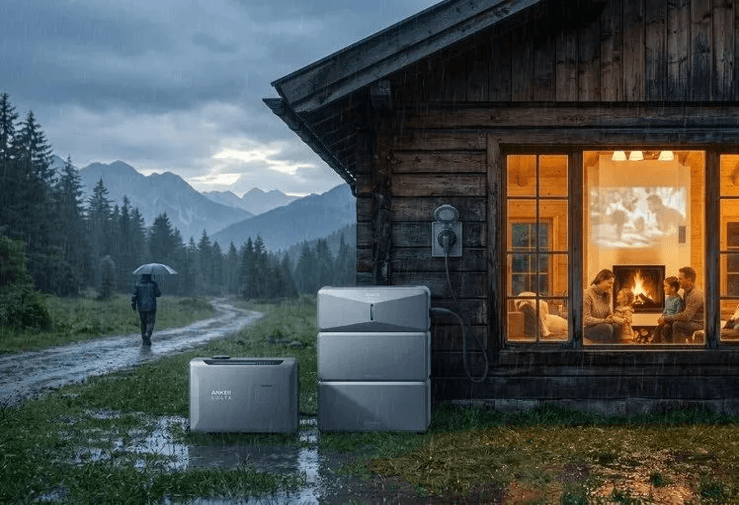
Having backup equipment is only helpful if it is prepared before the bad weather. Keep portable batteries charged, test lights and extension cords/power accessories in convenient locations. Read the operating instructions beforehand – don’t learn in an emergency. Weather resistance is important in the winter for outdoor backup systems. Constructed from premium waterproof and heat-resistant material, the SOLIX E10 is suitable for year-round emergency preparedness, withstanding heavy snow, heatwaves,ves and other extreme weather conditions.
Conclusion
Ice, wind, freezing temperatures, and storm damage to the electrical system are all ingredients of a wintry mix that can certainly lead to power outages. Those outages can really impact heat, food storage, phones, and household safety. The best thing to do is get ready ahead of time for a storm by having a plan for alternate power, securing your home, and getting emergency supplies ready. Homeowners can better stay safe, minimize damage, and keep their homes comfortable during the winter season when they know what to watch for regarding freezing rain and mixed winter precipitation.
Popular on OTW Right Now!
-
 Before You Buy a Commuter Ebike, Do These 5 Checks on Your Actual Route
-
 Why House Cleaning Services Create a Healthier and More Comfortable Living Environment
-
 The Benefits of Owning a Zero-Gravity Massage Chair
-
 Top Video Production and Editing Companies in Singapore for Corporate and Brand Content (2026)




About The Author

Gagan Bhangu
Founder of otechworld.com and managing editor. He is a tech geek, web-developer, and blogger. He holds a master's degree in computer applications and making money online since 2015.