
AI in Live Streaming: How It’s Changing the Technology
Live streaming has transformed the way people consume entertainment, sports, gaming, education, and business content. Millions of viewers now watch live events across streaming platforms every day, expecting crystal-clear video, minimal buffering, and personalized experiences. Behind this evolution is artificial intelligence (AI), a technology that is rapidly reshaping every aspect of live streaming.
From improving video quality and reducing latency to creating personalized recommendations and automating content moderation, AI has become an essential part of modern streaming platforms. Whether you’re watching a live football match, an online concert, or a business webinar, AI is working in the background to deliver a better viewing experience.
As streaming services continue to expand globally, AI is helping platforms understand viewer preferences while making content more accessible and engaging. Even users searching for ways to watch American Netflix in Canada often benefit from AI-driven recommendation systems that personalize content based on viewing habits and interests, making streaming platforms smarter than ever before.
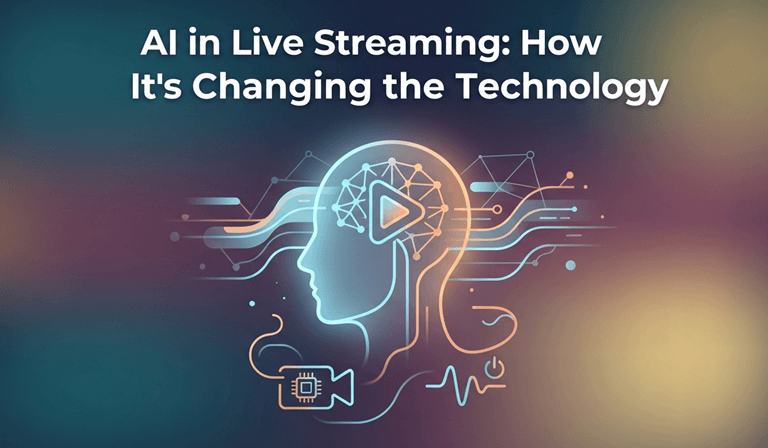
The Growing Role of AI in Live Streaming
Artificial intelligence refers to computer systems that can analyze data, recognize patterns, and make intelligent decisions without constant human intervention. In live streaming, AI processes massive amounts of real-time data every second.
Streaming companies rely on AI to optimize network traffic, compress videos, detect technical issues, recommend content, and improve user engagement. Instead of reacting after problems occur, AI predicts potential issues before viewers even notice them.
This proactive approach has dramatically improved the overall quality of live streaming experiences worldwide.
AI Improves Video Quality in Real Time
One of the major difficulties for streaming services is providing customers with high-quality video, no matter the quality of the internet connection. The AI-based encoding technology examines each frame of a video independently and optimizes its compression using the best approach, while preserving the image’s quality.
Most of the compression techniques degrade the picture quality when the scene is dynamic, e.g., in sports or action scenes. AI video encoding can detect key details and retain them, eliminating redundant information.
Benefits include:
- Sharper images.
- Better color accuracy.
- Reduced bandwidth usage.
- Faster streaming performance.
- Lower buffering rates.
AI optimization ensures that viewers can enjoy smooth streaming even if they have a slower internet connection.
Personalized Content Recommendations
One of AI’s most visible applications is personalized content discovery.
Instead of displaying the same homepage to every user, streaming platforms analyze:
- Viewing history.
- Watch time.
- Search behavior.
- Favorite genres.
- Device usage.
- Time of day.
- User ratings.
Platforms are able to show users content that aligns with their tastes and preferences thanks to the use of machine learning algorithms.
This customized experience holds the attention of the users for a longer duration and also helps them to find movies, TV shows, documentaries, live events, etc that they might not come across otherwise.
The recommendation engines learn further with the progress of time; the more they watch, the more accurate they become.
AI Reduces Streaming Latency
Latency is the time that elapses between a live event and viewers viewing it.
Even a couple of seconds of delay can be frustrating for sports fans, gamers, and financial traders.
AI helps reduce latency by:
- Predicting network congestion.
- Optimizing data routing.
- Selecting the fastest content delivery path.
- Adjusting bitrate dynamically.
- Managing server loads automatically.
This enables visitors to enjoy a smoother, almost real-time viewing experience, closer to the real live event.
Smarter Content Moderation
Social media live streams that allow comments, chats, and user-generated streams get millions of comments, chats, and user-generated streams daily.
Having to wade through this much information is not possible by hand.
AI-powered moderation systems automatically detect:
- Spam messages.
- Offensive language.
- Hate speech.
- Copyright violations.
- Inappropriate imagery.
- Fake accounts.
As more information is fed into the machine learning models, they continue to evolve to make online spaces safer and to ease the burden on the human moderators.
Automatic Captioning and Translation
Accessibility has become an important priority for streaming services.
AI now generates captions in real time using advanced speech recognition technology.
Benefits include:
- Better accessibility for hearing-impaired viewers.
- Improved understanding in noisy environments.
- Easier content consumption without sound.
- Greater international reach.
AI can also be employed to automatically translate subtitles into various languages, which is especially beneficial for creators aiming to reach a global audience without the need for extensive translation teams.
AI-Powered Camera Production
Typically, large production teams have been needed to broadcast professional sports using multiple cameras.
Today, AI can automatically:
- Detect player movement.
- Follow speakers.
- Zoom in on important moments.
- Switch camera angles.
- Track objects.
- Highlight audience reactions.
These smart production systems save on costs and operations and provide greater dynamism in production.
AI systems with camera technology are increasingly being deployed in educational settings, in the business world, and in small-scale sports activities due to their low need for human resources.
Predictive Analytics for Stream Stability
Unexpected technical failures can ruin live events.
AI monitors thousands of performance indicators simultaneously, including:
- Server health.
- Viewer traffic.
- Internet congestion.
- CPU usage.
- Bandwidth demand.
The system automatically reallocates resources before viewers experience interruptions if it predicts potential problems.
One of the greatest benefits streaming companies can gain from AI is predictive maintenance.
AI and Interactive Live Streaming
Modern audiences expect more than passive viewing.
AI powers interactive features such as:
- Real-time polls.
- Smart chat moderation.
- Personalized notifications.
- Interactive shopping.
- Live quizzes.
- Instant recommendations.
These attributes not only enhance user engagement but also provide creators with insights to guide their content strategy.
AI tools provide businesses with analytics to utilize for understanding user behavior and enhancing future broadcasts.
Enhanced Advertising Through AI
Many streaming sites continue to generate a considerable amount of revenue from advertising.
AI helps with more intelligent advertising by understanding the interests and behaviors of viewers.
Instead of showing random advertisements, AI delivers more relevant promotions based on:
- Viewing history.
- Demographics.
- Device type.
- Geographic location.
- User interests.
This is good for both advertisers and viewers, as ads will be more relevant and less intrusive.
AI Supports Global Streaming Expansion
The geographical and language diversity of audiences makes it more difficult to manage, with the growth of streaming services going global. Streaming services also go international, and the management of diverse languages, viewing patterns, and regional preferences becomes more challenging.
AI can be used to localize content recommendations, translate metadata, create subtitles, and tailor user experiences in various countries. It also enables viewers to find shows that are of their interest, even if they don’t live in their area. For example, people looking for information about American Netflix in Australia often rely on personalized streaming guides and recommendation systems to find popular titles and understand how content libraries differ between regions.
AI allows streaming platforms to scale effectively into the global market while offering a consistent user experience across different regions of the world. AI can help adapt content to local audiences while ensuring a consistent user experience, enabling scalable expansion into global markets.
AI Detects Copyright Violations
One of the main worries of broadcasters is protecting copyrighted material.
AI performs live stream analysis to detect unauthorized live streaming.
AI is based on image recognition and audio fingerprinting to compare live content with protected databases.
When copyrighted material is detected, platforms can:
- Block streams.
- Mute copyrighted audio.
- Notify rights holders.
- Remove unauthorized broadcasts.
This technology protects creators while reducing piracy.
The Future of AI in Live Streaming
Artificial intelligence is still evolving rapidly.
Future innovations may include:
- Fully AI-generated live sports commentary.
- Real-time voice translation during broadcasts.
- Hyper-personalized streaming interfaces.
- AI-generated highlights during live events.
- Virtual hosts powered by generative AI.
- Advanced immersive experiences using augmented and virtual reality.
- Emotion-aware recommendation systems that adapt content suggestions based on viewer engagement.
With the advancement of computing power and AI models, live streaming is becoming increasingly intelligent, efficient, and interactive.
Conclusion
AI is one of the major contributors to the development of live streaming technology. AI is changing the entire streaming experience, from enhancing video quality and minimizing buffering to providing custom recommendations, automated moderation, live captioning and predictive analytics.
Users can enjoy faster, smarter, and more engaging content streaming experiences while viewers can do so. With the continued development of AI technology, the future of live streaming promises even more personalization, enhanced accessibility, reduced latency, and more engaging and interactive experiences. By adopting AI, companies can be better poised to create content that meets the expectations of audiences around the world, making AI a vital technology for the future of digital entertainment.
Popular on OTW Right Now!


About The Author

Gagan Bhangu
Founder of otechworld.com and managing editor. He is a tech geek, web-developer, and blogger. He holds a master's degree in computer applications and making money online since 2015.