
AI Agents in Procurement: The Future of Intelligent Procurement Management
Artificial intelligence is transforming the procurement industry by helping organizations improve sourcing, supplier management, contract handling, and spend optimization. As supply chains become increasingly complex, businesses are looking for smarter ways to automate procurement operations and improve decision-making.
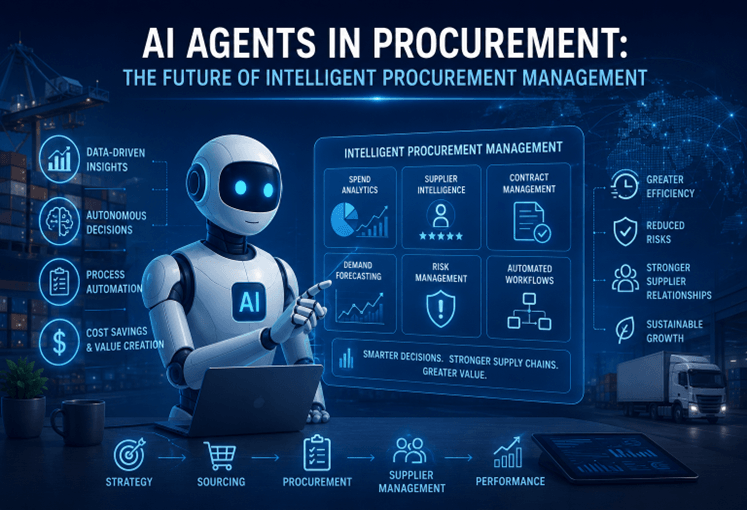
In today’s digital era, artificial intelligence-driven procurement systems can help organizations to streamline manual tasks, enhance efficiency, and provide better visibility into supplier performance and purchasing activities. Businesses that embrace intelligent procurement platforms have the ability to mitigate risks, cut costs, and enhance operational agility.
Businesses are catching onto the power of automation, analytics, and intelligent workflows to modernize procurement processes, such as Levelpath.
What Are AI Agents in Procurement?
AI agents are smart software programs that execute tasks independently with the help of AI, machine learning, and data analysis. AI agents can process information, adjust to evolving situations, and make decisions on the fly as opposed to traditional procurement software, which was driven by fixed rules and manual action.
In procurement, AI agents support several functions, including:
- Supplier sourcing
- Procurement automation
- Contract analysis
- Spend management
- Risk monitoring
- Supplier onboarding
- Purchase approvals
A modern AI procurement solution can streamline procurement workflows while improving accuracy and operational efficiency.
How AI Agents Improve Procurement Operations
Unlike traditional automation, AI agents can assist procurement teams in making quicker, better decisions. These systems process all procurement data on a regular basis to discover opportunities and potential danger.
Supplier Intelligence
AI systems track supplier information, financial statements, and market trends to identify potential risks and performance problems at an early stage.
Intelligent Sourcing
Historical purchasing data and supplier performance metrics are analyzed using AI, and the optimal sourcing options are recommended.
Contract Analysis
AI can automatically scan contracts and pinpoint compliance issues and potential risks with natural language processing.
Spend Optimization
By analyzing spending data, AI agents can identify savings opportunities, weed out unnecessary spending, and enhance procurement efficiency.
Automated Supplier Communication
Intelligent workflows can automate the procurement team’s workflows, including the creation and sending of RFQs, supplier verification, onboarding, and follow-ups.
Organizations can streamline their procurement processes and enhance supplier collaboration and visibility through platforms like Levelpath.
AI Agents vs Traditional Procurement Software
Web-based procurement software primarily automates routine processes based on established workflows. These tools help to increase the operational uniformity, but most of them demand ongoing manual updates and monitoring.
AI agents introduce a more intelligent and adaptive approach.
| Traditional Procurement Software | AI Agents in Procurement |
| Follows fixed rules | Learns and adapts from data |
| Requires manual updates | Improves continuously over time |
| Handles repetitive tasks only | Supports strategic decision-making |
| Reactive workflows | Proactive recommendations |
| Limited flexibility | Dynamic and scalable automation |
Organizations adopting AI-driven procurement systems can improve agility, reduce procurement cycle times, and strengthen supplier management.
Key Benefits of AI in Procurement
Faster Procurement Cycles
AI can minimize the time it takes to source materials, assess suppliers, and approve purchases.
Better Cost Management
With advanced analytics, businesses can uncover potential savings and make informed purchasing decisions.
Improved Supplier Risk Monitoring
AI continuously tracks supplier performance and external market risks in real time.
Enhanced Compliance
Automated systems with AI capabilities constantly monitor procurement processes and contracts for adherence to company policies.
Reduced Manual Work
Automation reduces administrative workload, freeing up time for procurement professionals to engage in strategic decision-making and supplier management.
Implementing an advanced AI procurement solution helps businesses improve procurement efficiency while reducing operational costs.
Real-World Use Cases of AI Procurement
Automated Purchase Order Creation
Purchase requests are auto-generated from inventory and demand forecasting data by AI systems.
Smart Contract Management
AI tools analyze contracts, extract key information, and recommend approved legal language.
Supplier Onboarding Automation
Operates with suppliers, verifies paperwork, and streamlines supplier onboarding processes.
Supply Chain Risk Detection
AI is constantly scanning the world for potential disruptions, as well as supplier networks and economic data.
Intelligent Negotiation Support
By leveraging AI-generated insights, procurement teams can make more informed decisions regarding negotiations and supplier selection.
Platforms such as Levelpath make procurement more straightforward and enhance business decision-making and supplier performance.
Challenges of AI Adoption in Procurement
The application of AI in business can have a considerable impact, but there are some potential pitfalls to consider during implementation.
Data Security and Privacy
AI systems are handling vast quantities of sensitive information related to procurement and suppliers, which demands robust security measures. AI systems are dealing with a lot of sensitive information about procurement and suppliers, and it’s important that these systems are secure.
Integration with Legacy Systems
Some older procurement platforms might not be easily able to integrate with modern AI technologies.
Human Oversight Requirements
The role of procurement still needs to be performed by humans in making strategic procurement and managing procurement relationships.
Implementation Costs
For some, the initial costs of AI software and implementation, as well as training employees, can be substantial.
With a well-designed data governance framework and a phased rollout plan, organizations can navigate the transition to AI-driven procurement systems with success. By implementing the strategy of a phased approach and establishing robust data governance, businesses can tackle the adoption of AI-driven procurement systems effectively.
Best Practices for AI Procurement Implementation
Set Clear Objectives
Define measurable goals such as reducing sourcing times or improving supplier visibility.
Improve Data Quality
The accuracy and structure of procurement data are essential for AI systems to function effectively.
Modernize Procurement Infrastructure
Having a flexible procurement platform that offers robust API integration can facilitate AI implementation. A flexible procurement platform that connects seamlessly with APIs can aid in the smoother adoption of AI.
Maintain Human Supervision
Smart automation and smart procurement lead to better results.
Start Small and Scale Gradually
AI pilot projects enable organizations to test AI capabilities before rolling it out across procurement operations.
Businesses can be expected to gradually scale the automation of their procurement processes with minimal risk of operations on platforms such as Levelpath.
The Future of AI in Procurement
Artificial Intelligence is a game-changer in procurement transformation. The future procurement systems will increasingly be based on autonomous technologies that will enable less manual sourcing, supplier assessment, compliance monitoring, and procurement analytics.
Generative AI will also be used to improve procurement processes, with the following examples:
- Smart sourcing recommendations.
- Automated procurement planning.
- Predictive analytics.
- Scenario simulation.
- Real-time supplier insights.
For organizations that invest in intelligent procurement technologies now, they will have a huge competitive edge in the years to come.
How Levelpath Supports Smarter Procurement
Levelpath provides intelligent procurement solutions designed to improve efficiency, automate workflows, and enhance supplier management. Through its platform, companies can optimize the procurement process and better understand their spending and suppliers.
Levelpath’s ability to automate, analyse, and utilise AI-powered workflows enables businesses to create quicker, more effective, and information-based procurement processes.
Final Thoughts
AI agents are transforming procurement by streamlining processes, cutting costs, enhancing supplier connections, and empowering organizations to make informed buying decisions. With procurement systems changing rapidly, companies that embrace intelligent automation will be better equipped to handle risks and boost efficiency.
The future of procurement is in the fusion of human skills and smart AI systems to build more agile and resilient procurement processes.
Popular on OTW Right Now!



About The Author

Gagan Bhangu
Founder of otechworld.com and managing editor. He is a tech geek, web-developer, and blogger. He holds a master's degree in computer applications and making money online since 2015.