
Turning Local Searches Into Pest Control Customers
Pest control is one of those services people rarely think about until they suddenly need it. A homeowner may ignore a few ants for days, but spotting a wasp nest near the front door or hearing scratching sounds in the attic can turn pest control into an immediate priority. When that happens, the first step is often a quick local search for someone who can help.
For pest control businesses, that moment creates an important opportunity. A stronger local presence, supported by strategies built around www.pestcontrolcalls.net, can help turn urgent searches into real customer inquiries. Being visible is only the beginning, though. Turning a search into an actual customer depends on how quickly a business can build trust, explain its services, and make the next step feel simple.
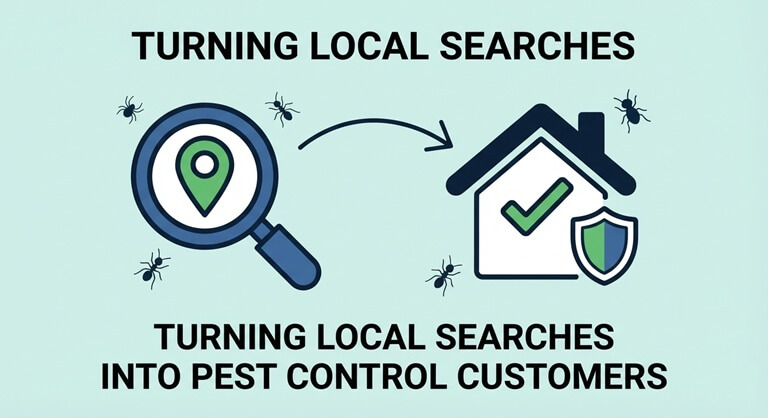
Understand What People Are Really Searching For
Someone searching for pest control is usually trying to solve a specific problem, not simply browsing a list of providers. Their search may relate to rodents, termites, ants, cockroaches, bed bugs, mosquitoes, or another issue that feels urgent.
That is why useful online content should match the questions people are already asking. Clear service descriptions, straightforward explanations, and helpful information about common pest problems can make it easier for potential customers to understand whether they have found the right solution.
People also search differently depending on where they are in the decision-making process. One person may be researching signs of an infestation, while another may already be looking for someone to schedule a visit. A strong online presence should support both types of searches.
Make the First Impression Count
A high position in search results can attract attention, but it does not automatically create trust. Once someone visits a pest control website, they quickly begin looking for signs that the business is professional and reliable.
Clear navigation matters. Visitors should be able to find relevant services without digging through multiple pages. Contact information should be easy to locate, and important details should be written in plain language rather than technical terminology.
The overall experience also needs to work well on a phone. Many local service searches happen when someone is already dealing with a problem, meaning they may be searching from a mobile device while walking around their home or property.
A slow, confusing, or outdated website can make even a visible business easy to skip.
Answer Questions Before the Customer Has to Ask
Pest problems often come with uncertainty. People want to know what may have caused the issue, whether it is dangerous, what treatment might involve, and how quickly the problem can be addressed.
Educational content can answer some of those questions before a customer ever makes contact.
Articles about identifying common pests, understanding seasonal activity, spotting early warning signs, or knowing when professional help may be needed can all support potential customers during their research.
This type of information serves another purpose as well. It demonstrates knowledge without relying on aggressive sales language. When someone feels that a business understands the problem they are facing, contacting that business becomes a more natural next step.
Local Trust Can Influence the Final Decision
Pest control is a service that usually requires someone to enter or work around a person’s home. That makes trust particularly important.
Reviews often play a major role in local decisions because they give potential customers an idea of what previous experiences were like. People may look for comments about punctuality, communication, professionalism, effectiveness, and how clearly technicians explained the work.
Consistent feedback can help reduce uncertainty. Responding professionally to both positive and negative reviews can also show that customer experience is taken seriously.
Fun fact: Many household pests are highly seasonal, which means the types of searches people make can change dramatically throughout the year. A sudden rise in mosquitoes, ants, rodents, or other pests can quickly change what local customers are looking for.
Make Contact as Easy as Possible
A potential customer should never have to search for the next step.
Phone numbers, contact forms, and scheduling options should be easy to find. Asking for too much information before someone can request help may create unnecessary friction, especially when the issue feels urgent.
Fast responses matter too. Someone dealing with a pest problem is unlikely to contact only one provider and then patiently wait. If another business responds faster and provides a clear explanation of what happens next, it may win the job even if it appeared lower in the original search.
Think Beyond the First Click
Local search marketing works best when it is treated as part of the customer experience rather than a separate activity.
Visibility brings someone to the door, but useful information, clear communication, trust signals, and an easy booking process help move that person toward a decision. The strongest results often come from improving the entire path rather than concentrating only on rankings.
For pest control businesses, the goal is not simply to appear when someone searches. It is to make the person searching feel that they have found a capable, reliable solution to a problem they want resolved as soon as possible.
Popular on OTW Right Now!


About The Author

Gagan Bhangu
Founder of otechworld.com and managing editor. He is a tech geek, web-developer, and blogger. He holds a master's degree in computer applications and making money online since 2015.