
How Grammarly Makes Writing Easier and More Confident
There is a certain kind of tool you stop thinking about after a while. Not because it is not useful, but because it fits so naturally into what you are already doing that it almost disappears. Writing support should probably feel like that. Not something you open, check, and close, but something that simply keeps things moving in the background. That is the role Grammarly tends to take once it becomes part of your routine.
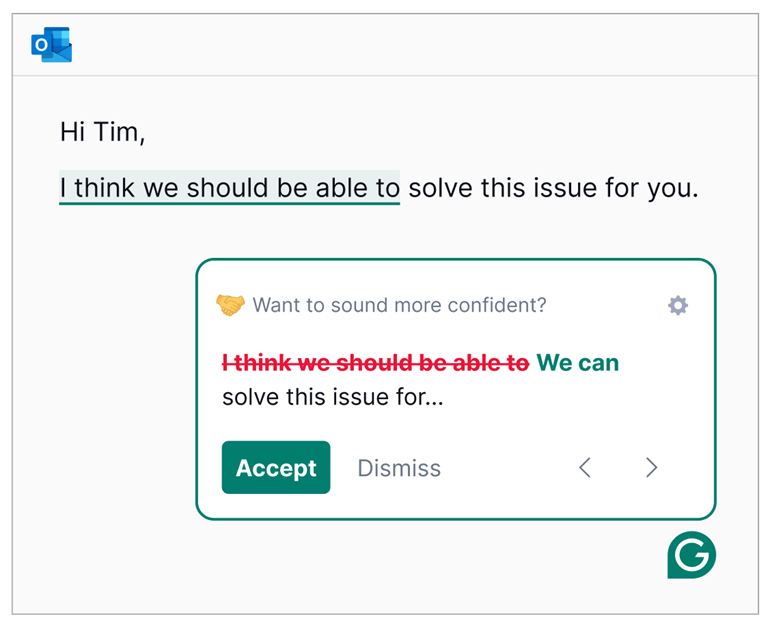
Most individuals do not sit down to work on their writing. They simply write emails, short messages, notes, and documents, and attempt to get through them with maximum efficiency. It is these interruptions that make everything drag. Breaking down after reading a sentence one more time, correcting the wording, correcting the tone, and forgetting what you were about to say. With Grammarly in place, such interruptions become less conspicuous. You continue typing, correcting minimally as you proceed, and keep on rolling without stopping your pace.
It is not something that you think about at the time. You do not make a stop and choose that you are going to improve a sentence–you just notice that something is slightly wrong and manipulate it and move on. It is such a smooth interaction that makes Grammarly feel special. It stays out of that, but it still appears at the very time when you would be afraid to have appeared.
Gradually, the process itself begins to become smoother. You are not tabbing out and reading it over again or even re-reading it. Writing is more continuous; it makes the drafting, adapting, and completion more of a single process. Grammarly agrees that it does not ask you to alter your style of work.
Ultimately, though, there comes a time when it is not so much about speed as it is about the sound of your writing. You begin to become aware of little subtle variations in tone that you would otherwise have overlooked. A sentence that is a little too direct or sounds more official than you want. These are not large errors, but they alter the reception of what you are saying.
And that is the point where Grammarly comes in another sense. It is not only to make things work faster but it is also to fine-tune the feel of something. You may make a sentence more pleasant without necessarily rewriting it, or you may change a phrase and make it more natural. The edit is minor, but it will make your writing sound more like what you intended to say.
You also start paying closer attention to the writing style that you have. Perhaps you are over-explanatory, or you maintain sentences too long than necessary. Or perhaps you just stutter on a tone that is maybe a touch too formal in the informal context. Observing these trends in the course of time makes it simpler to alter without thought. Grammarly does not impose a style on you, though it simply makes you see what you are doing.
This is particularly conspicuous in daily communication. A brief message can be more amiable, an email can be more transparent, and a more extended work can be more harmonious over a period. You are not rewriting it all; you are only making minor changes that will make it read in a better way generally. This is the type of smoothness that Grammarly promotes silently.
After some time, writing does not seem to be something that you are supposed to be careful with. You do not always have a check on whether something sounds right; you just know it will be close, and you can make appropriate changes in case it is necessary. That confidence is not because of writing flawlessly, but because one can be sure that the process will support.
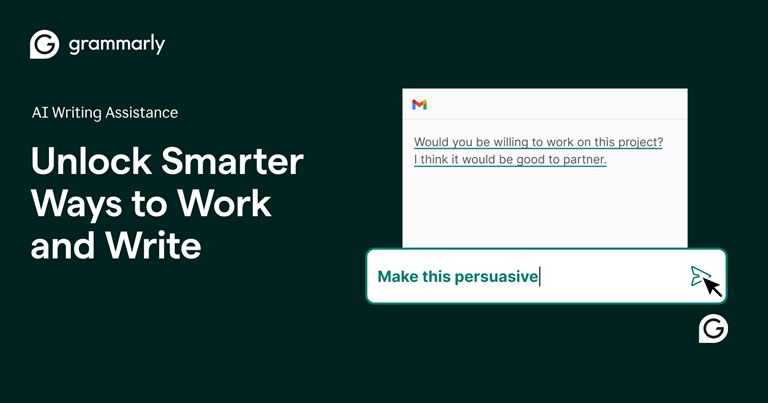
In the end, the most useful tools are often the ones that do not demand attention. They fit into what you are already doing and make it work better without changing it completely. With Grammarly, writing becomes not just smoother, but also more natural in tone and style—something that feels closer to how you actually want to communicate.
Popular on OTW Right Now!




About The Author

Gagan Bhangu
Founder of otechworld.com and managing editor. He is a tech geek, web-developer, and blogger. He holds a master's degree in computer applications and making money online since 2015.