
How Green Exhibition Displays Attract Visitors
Ontario hosts trade shows, exhibitions, business expos, consumer fairs, and community events throughout the year. These events bring together businesses from industries such as manufacturing, healthcare, technology, tourism, retail, construction, education, and food services. With so many exhibitors competing for attention, standing out is one of the biggest challenges.
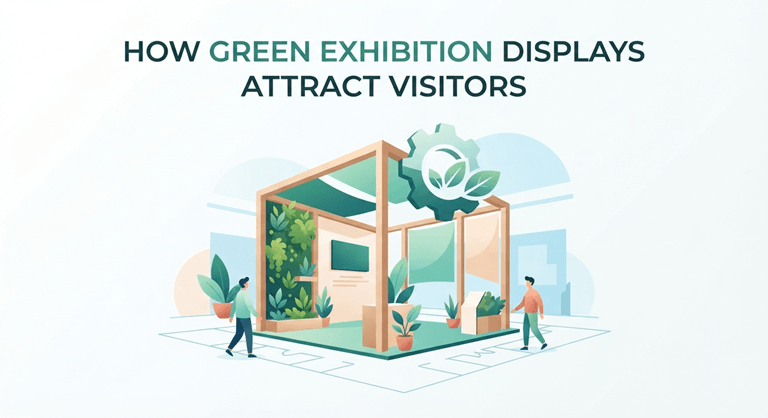
A good exhibition display does much more than decorate a booth. It encourages people to stop, look, ask questions, and start conversations. Visitors often decide within a few seconds whether a booth is worth exploring, so its design and presentation play an important role in event success.
Today, businesses also need to consider how their displays affect the environment. Visitors are becoming more aware of waste, energy use, packaging, and the materials companies choose. A display that combines strong branding with reusable components and responsible planning can attract attention while supporting a more positive business image. Let’s explore how.
First Impressions Matter More Than Ever
Visitors usually walk through exhibition halls with limited time and dozens of booths competing for attention. A booth that looks clean, organized, and inviting naturally attracts more interest than one that appears cluttered or confusing.
An effective exhibition display should communicate three things immediately:
- Who the business is
- What products or services it offers
- Why visitors should stop
Large graphics, readable text, suitable lighting, and consistent branding help people understand the message before they speak with a representative.
A professional appearance also creates confidence. When displays are in good condition and each item has a clear purpose, visitors are more likely to see the exhibitor as prepared and reliable.
Businesses can strengthen that impression by avoiding unnecessary materials. Instead of filling every open area with disposable decorations, a booth can use a few well-designed and reusable display pieces. This often creates a cleaner appearance while reducing waste.
Outdoor Displays Can Extend Brand Visibility
Not every event takes place inside a convention centre. Ontario regularly hosts outdoor festivals, agricultural fairs, sporting events, tourism expos, farmers’ markets, and community celebrations where businesses compete for attention in open spaces.
Outdoor displays must be visible, practical, and suited to changing weather. They should also create a comfortable area where visitors can pause without blocking nearby paths.
Items such as branded patio umbrellas can provide shade while displaying a company’s logo or colours. Because they serve both a promotional and practical purpose, they can reduce the need for separate shade structures and additional signage.
Durable outdoor equipment may also be used at several events instead of being replaced after one season. Businesses should store displays correctly, clean them after use, and inspect frames, fittings, and printed materials before each event. Extending the working life of an item can help lower both costs and material waste.
Clear Messaging Encourages People to Stop
Many exhibition booths try to communicate too much information at once. Long paragraphs, crowded graphics, and too many product photos can overwhelm visitors instead of attracting them.
A better approach is to keep the message simple.
Successful displays often focus on:
- One clear headline
- A short explanation of the main offering
- High-quality product images
- Easy-to-read contact information
- A visible call to action
Visitors should understand the main purpose of the booth within a few seconds. Once curiosity is created, conversations become much easier.
Clear messaging may also reduce the amount of printed material needed. Instead of handing every visitor several brochures, exhibitors can display a QR code that links to product details, catalogues, pricing, or contact forms.
Printed materials can still be useful, especially for visitors who prefer physical information. However, smaller print quantities and recycled paper can help prevent boxes of unused brochures from being discarded after the event.
Interactive Experiences Keep Visitors Engaged
People often remember experiences more clearly than advertisements. Interactive displays give visitors a reason to spend more time at a booth, making conversations more natural and increasing the chances of generating qualified leads.
Depending on the industry, businesses may include:
- Live product demonstrations
- Touchscreen presentations
- Product samples
- Interactive games
- Virtual product tours
- Prize draws
- Photo opportunities
These activities encourage participation instead of passive observation.
Digital presentations can also replace some single-use printed materials. A screen may show several products, videos, case studies, or service options without requiring separate posters for each message.
However, technology should be used with purpose. Screens that run without adding useful information may increase electricity use without improving the visitor experience. A focused presentation is often more effective than constant movement or oversized digital effects.
Booth Layout Influences Visitor Flow
Even attractive graphics cannot compensate for a poor booth layout.
Visitors should be able to enter comfortably without feeling blocked by tables, displays, boxes, or promotional materials. A clear layout can also make a modest booth feel larger and more welcoming.
An effective setup often includes:
- Open entrances
- Comfortable meeting space
- Clearly displayed products
- Logical traffic flow
- Easy access to brochures or samples
- Separate areas for demonstrations and discussions
When visitors can move freely, they are more likely to stay longer and explore what the business offers.
Good planning also helps prevent exhibitors from bringing unnecessary furniture and equipment. Before the event, businesses should review the available floor space and select only the pieces that support a specific activity. Fewer items can mean easier transportation, faster setup, and less energy used during shipping.
Reusable Display Systems Can Reduce Event Waste
Many traditional event materials are designed for short-term use. Foam boards, plastic decorations, temporary signs, and dated graphics may be thrown away once the event ends.
Reusable systems offer a more practical alternative. Frames, counters, stands, lighting units, and hardware can often support new graphics without requiring the entire structure to be replaced.
Modular systems are particularly useful for businesses that attend events of different sizes. The same components may be rearranged for a small local expo, a larger trade show, or a promotional event elsewhere in Ontario.
Before ordering a display, businesses can ask several questions:
- Can the graphics be replaced separately?
- Can the frame be repaired?
- Is the system easy to store?
- Can it fit more than one booth size?
- Are replacement parts available?
- Can the materials be recycled at the end of their working life?
Choosing equipment based on long-term use rather than one event can lower costs and reduce the volume of material sent to landfills.
Unique Structures Capture Attention From Across the Hall
Large exhibition halls often contain rows of similar-looking booths. Businesses that introduce distinctive display elements can become easier to notice from a distance.
Creative structures, tall displays, overhead signs, and branded inflatable canopy tent can create a stronger visual presence while helping visitors locate a booth among many competitors.
Inflatable structures may also be packed into a smaller space than some rigid display systems, depending on their design. This can make storage and transport more manageable. However, exhibitors should consider durability, repair options, blower requirements, and electricity use before selecting any inflatable display.
The goal is not to overwhelm visitors with oversized elements. It is to create a recognizable visual landmark that supports the booth’s message.
Energy-Efficient Lighting Improves the Display
Lighting can make graphics, products, and demonstration areas easier to see. It is especially useful in exhibition halls with uneven or limited venue lighting.
LED lights are commonly chosen because they use less electricity and generally last longer than many older lighting options. A small number of well-positioned lights can often produce better results than covering the entire booth with bright fixtures.
Exhibitors should focus light on the areas that matter most, such as:
- The main brand message
- Featured products
- Demonstration tables
- Meeting areas
- Important signs
Lighting should make the booth comfortable and clear, not harsh or distracting. Turning equipment off when it is not needed can also limit unnecessary energy use during long event days.
Knowledgeable Staff Complete the Display
Even the best exhibition display cannot replace good conversations.
Friendly, approachable, and well-informed staff help turn booth traffic into meaningful business opportunities. Instead of immediately delivering a sales pitch, representatives should focus on understanding visitor needs.
Useful opening questions may include:
- What type of business does the visitor represent?
- What challenge are they trying to solve?
- What products are they currently using?
- What are they hoping to find at the event?
These questions help staff provide relevant information while building trust naturally.
Employees should also understand the company’s environmental claims. If a booth promotes recyclable packaging, reusable products, lower energy use, or responsible sourcing, staff should be able to explain what those claims mean. Clear and accurate answers are more convincing than broad claims about being green.
Small Details Improve the Overall Experience
Successful exhibition displays often stand out because of careful attention to small details rather than expensive equipment.
Simple improvements can include:
- Clean flooring
- Organized literature racks
- Comfortable seating
- Efficient lighting
- Refillable water stations
- Clearly marked recycling bins
- Digital contact forms
- Reusable serving items
Each of these elements contributes to a better visitor experience.
Businesses should also examine their promotional giveaways. Cheap plastic items may be forgotten or discarded soon after the event. A useful, durable item may leave a better impression, while digital resources or charitable prize options can reduce the need for physical giveaways altogether.
Following Up Makes the Display More Valuable
The exhibition itself is only the beginning.
Many businesses lose valuable opportunities because they fail to contact interested visitors after the event. Leads should be organized quickly while conversations remain fresh. Notes about visitor interests, requested information, and future opportunities can support more personal follow-up messages.
Instead of sending generic promotional emails, businesses should refer to the specific discussion that took place at the booth.
Digital lead collection can simplify this process while reducing paper forms and printed business cards. It can also help staff organize contacts by product interest, industry, location, or buying timeline.
Businesses should review environmental results as well as sales performance. Useful questions include:
- How much printed material remained unused?
- Which display components can be used again?
- Was any equipment damaged during transport?
- How much waste did the booth create?
- Could fewer items be shipped next time?
- Which digital tools worked well?
These insights can improve the cost, performance, and environmental impact of future events.
Better Displays Can Support Better Events
Exhibition displays play a major role in attracting visitors at events across Ontario. They help businesses capture attention, explain their value, encourage conversations, and create stronger connections with potential customers.
A sustainable display does not need to look plain or sacrifice promotional impact. Reusable hardware, replaceable graphics, clear messaging, efficient lighting, careful transport planning, and lower-waste visitor experiences can all support a professional presentation.
The most effective booths combine attractive design with practical choices that make sense beyond one event.
Popular on OTW Right Now!



About The Author

Gagan Bhangu
Founder of otechworld.com and managing editor. He is a tech geek, web-developer, and blogger. He holds a master's degree in computer applications and making money online since 2015.