
Choosing the Right Android Media Hub: What to Consider Before Upgrading Your Home Entertainment System
Home entertainment has evolved far beyond traditional television viewing. Today’s households use their living rooms for streaming educational content, watching movies, enjoying music, following sports, listening to podcasts, and even participating in virtual events. With the ever-growing popularity of digital entertainment, choosing the right media hub is a crucial component in creating a versatile and entertaining viewing experience.
There are so many media devices that use the Android operating system these days that you can’t tell the whole story by focusing on specs. The performance of a device in a day-to-day context is related to its processing power, storage space, software experience, wireless connectivity, and long-term user-friendliness. This isn’t about just the names of products or marketing jargon; it’s about what the consumer can expect to get with it.
Why Media Hubs Have Become an Essential Part of Modern Living Rooms
A media hub is a central connection between the TV and audio equipment and digital entertainment applications. Users can have all their services for their entertainment through a single platform rather than having to use an assortment of devices to access the different services. This makes it easier to maneuver and helps to form a tidier and easier way to entertain.
Smart televisions are in vogue,e and the dedicated media hub has not ceased to be important. Many users out there still enjoy having responsive devices, have a flexible operating system, em and enable them to manage all of their compatible apps from a single place. With the evolution of entertainment trends, media hubs are still useful in homes that want a well-organised and simple media system.
Looking Beyond Technical Specifications
The speed of the processor, size of the storage,e or operating system versions are common features that many buyers evaluate before buying a media device. These specifications are helpful, but they are not all that it means. Benchmark numbers are not always the most important factors in shaping daily satisfaction as much as a well-designed interface, reliable software performance, ance and stability of connection. Responsiveness becomes more apparent with regular usage. Faster application launch, seamless navigation from menus to applications, and prolonged usability are all part of an enjoyable entertainment experience. These functional attributes ar, areetimes more important than hardware numbers alone.
Understanding Different Product Families
Many manufacturers produce several variants of the same line to cater to varying preferences. But don’t assume that one version will work for all; it’s good to know why there are multiple versions. Some highlight further storage solutions, while others offer enhanced connectivity, software enhancements, or hardware enhancements.
In doing a bit of research when finding a Superbox S7 series comparison to another, consumers may find that each is built with a slight difference in mind. Comparisons are not meant to single out a “best-performing” product; they are meant to let users know what the product has to offer and what features will best suit their entertainment needs, space,e and long-term plans.
A Practical Example of a Modern Android Media Hub
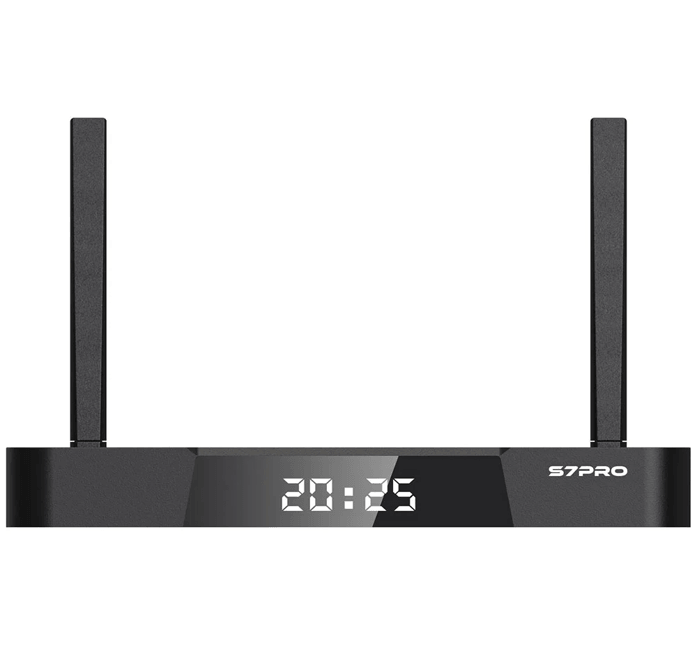
Understanding specifications becomes easier when viewed in the context of everyday use. One example is the Superbox S7 Pro, which is part of the Superboxsmart 2026 lineup. It will bean Android-basedd media centre with 6K media capability that can be used with current televisions and home entertainment systems, and link current applications with organised access. Many users will not look at the specifications of the device alone, but also consider how easily it will fit into the current device setup, such as the display compatibility, the space it will take up, the responsiveness of the interface, and the ease of navigation. These practical considerations can give a better idea of the performance of a media hub in real-life situations.
Storage and Performance Go Hand in Hand
With the ever-expanding digital entertainment industry, storage space is a growing concern. Space is a necessary component to install applications, organize media libraries, and maintain system performance. Although everyone’s house requires a different kind of device, having a storage option that is suitable for your needs will make the whole device less of a hassle to maintain and make it a better experience to use.
Software optimization is also important in the performance aspects. A balanced operating system enables the smart utilization of hardware resources, leading to smoother operations and stability. Together, this hardware and software make up a part of the whole experience that could not have been achieved by either of them alone.
Why Comparisons Should Focus on Everyday Use
Many comparison articles concentrate exclusively on specification charts, but real-world performance often tells a more meaningful story. Discussions such as S7 Pro vs S7 Ultra are most useful when they explain how differences affect practical use rather than simply listing technical details. The level of responsiveness of the interface, application control, connectivity, and ease of installation is likely to be more important to satisfaction over time than the amount of difference there may be in hardware.
Consumers must also think about their own consumer behavior in regard to entertainment. A person who tends to binge on documentaries would have a different set of features to focus on as opposed to a family that alternates between educational shows, podcasts, films, and music every day of the week. Frequently assessing technology in a real-life context will result in a better buying decision.
Learning from Trusted Technology Resources
When consumers are considering investing in any type of entertainment equipment, they may want to consult a variety of educational sources to gain a better understanding of the available options. Technical publications for technology always have a greater depth of understanding to them than technical specification sheets, and they often explain industry trends, hardware developments, and software improvements more easily than technical specification sheets do.
Websites such as OTechWorld regularly publish articles covering consumer technology, Android devices, software updates, and digital innovation. Reading information from trusted technology sources enables buyers to develop a broader understanding of media hubs while making more informed decisions about products that suit their personal needs.
Making Technology Work for Your Lifestyle
The best TV set doesn’t necessarily have the most features. On the contrary, it is the one which seamlessly fits into daily life, is user friendly overtime and keeps supporting the shifting patterns of entertainment over time with the technological development. A thoughtfully selected best Android media hub should complement the rest of the home entertainment system by providing dependable performance, intuitive navigation, and compatibility with modern displays and audio equipment.
With market growth, there will be more choices available in various product families and hardware generations to choose from. When shopping for home entertainment technology, it’s important to consider how various features can impact real-life usability so that you can avoid all the marketing jargon and choose technology that will truly improve your home entertainment experience.
Popular on OTW Right Now!


About The Author

Gagan Bhangu
Founder of otechworld.com and managing editor. He is a tech geek, web-developer, and blogger. He holds a master's degree in computer applications and making money online since 2015.