
11 Major Benefits of Using AI in Education
Many students now learn faster because Artificial Intelligence (AI) is changing how teachers and schools work every day. I have seen classrooms where AI technologies help teachers save time and give more attention to students who need extra support. This shift in the academic landscape is helping schools create better personalized learning experiences while also improving administrative efficiency and overall educational outcomes for learners of different ages.
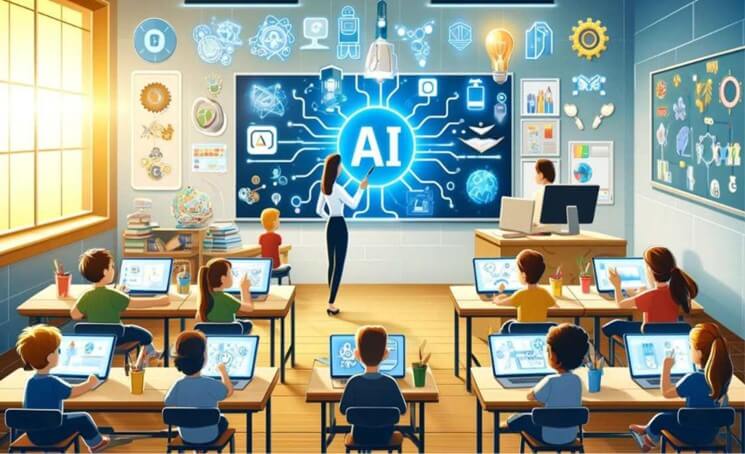
Teachers and administrators also use data analysis to track student progress and make informed decisions for better teaching plans. AI-powered tools such as intelligent tutoring systems and classroom management make lesson management easier and more efficient for teachers and allow for the support of various learning styles within the classroom. Meanwhile, AI is also decreasing education obstacles and making it more useful in the field of AI in teaching for contemporary students who are looking for flexibility and convenience in learning. Let’s delve into the key advantages of AI in the field of education in this blog post.
What is AI in Education?
Artificial Intelligence (AI) is a sophisticated technology that enables computers to learn from data, adapt to new information, and perform tasks traditionally associated with human cognition.
In education, it enhances students’ learning experience, reduces time for educators, and boosts operational security and personal data protection for students, educators, and administrators.
Benefits of Using AI in Education
Today, there are many schools and colleges that are already using modern technology to improve the standards of education. Let’s review the top advantages of AI in the field of education.
1. Enhanced Personalized Learning
This technology assists students in learning as they learn and at their own pace. It can automatically evaluate the student’s answers and switch lessons to facilitate the learning process. For instance, DreamBox and Smart Sparrow adjust activities according to student performance to help every student learn the topics one at a time at their own pace.
2. Greater Scalability
New learning platforms enable schools to educate more students simultaneously without compromising the learning quality. These can store vast quantities of student information and provide greater support and individual attention for students, increasing accessibility and consistency for all learners.
3. Increased Accessibility
Advanced learning tools enable students by giving translations, captions, word support, and different content formats. This will allow more students to grasp classwork and complete daily tasks and grade-level material more easily.
4. Cost-Effectiveness
In the education sector, automated grading and personalized learning platforms help to minimize manual work. The schools and institutions operate effectively and efficiently, using resources optimally, and thus reduce overheads. AI tutoring services and AI-based tuition offer a cost-effective way to support students and provide access to quality education, even if they cannot afford a private tutor.
5. Task Automation
Teachers, professors, and lecturers now complete their classroom assignments much faster with automated tasks and better workload management. The grading of tests, correcting homework, conducting exams, teaching materials, seminars, paperwork, lectures, extra classes, and administrative work becomes easier, and the daily stress of the academic area is reduced, which leads to better classrooms.
6. Helps Students with Special Needs
Special needs children now receive a sound support system in the context of inclusive education and comfortable learning approaches. Students with ADHD, dyslexia, autism, hearing and speech impairment, visual impairment, and other disabilities can access learning programs more easily and regularly in regular schools, rather than relying solely on special schools.
7. Enhanced Healthcare
The healthcare sector is being aided by modern technology in a lot of valuable ways. Researchers can do more research and develop treatments for diseases in a shorter amount of time, and hospitals can better handle the analysis of tests, data entry, and other daily workloads. The potential of future medical robots is also to support surgeons in surgeries and to cut down on errors and save more lives.
8. Safer Online Exams
Assessment tools are now available for safer online tests and/or improved test administration at institutions and universities. Teachers develop pre-designed questions and activities, and intelligent setups can assist in assigning tests for common users. Students get reliable and effective exams as systems can assess results better than conventional tests.
9. Scientific Discovery
Scientists are now enhancing scientific research through accelerated data analysis and information processing. Research is made easier as systems are able to analyse data, identify patterns, make predictions, and offer greater insights. Enhanced speed and accuracy pave the way to breakthroughs and discoveries, future discoveries, new technologies, and research of the primary diseases, with the emphasis being on better research basics.
10. Enhanced Cybersecurity
Data breaches and malware attacks are becoming more commonplace, making cybersecurity a significant concern in the tech sector. It has been a long time since security experts have been able to keep hackers and cybercriminals in check. With advanced technology, online security can be improved in quite a few ways these days, however.
Smart security systems can identify threats early and stop issues such as hacking, ransomware, and viruses from hurting your business. These systems can help defend devices, servers, and entire networks against suspicious activity and reduce the effects of attacks.
11. 24/7 Learning Support
AI programs enable 24/7 learning via engaged machines, servers, and networks. By enhancing cybersecurity and network security, you protect yourself from cyber threats, malware, ransomware, viruses, hacking attempts, cyberattacks, data breaches, and from malware developers as well as from spot attacks and rapidly reduce the negative impact.
The Future of AI in Education
AI technology is helping to contribute to the educational landscape by making tools that help people learn more and making technology infrastructure easier. While ethical concerns and depersonalization issues exist, better data-driven insights not only benefit schools in protecting user and data privacy, but they also facilitate skills development for the next generation of workers.
The job market is undergoing rapid workforce changes. New roles for machine learning specialists, sustainability experts, and business intelligence analysts are growing, while old jobs like bank tellers, postal service clerks, cashiers, and ticket clerks are losing ground thanks to future advantages in modern education.
Conclusion
AI is making learning experiences better for children of all ages and helping schools. It reduces teacher workload, improves online safety, supports special needs students, and provides a more individualized lesson. Better learning systems also allow for better management of tasks in schools. As digital education increases, students will gain stronger skills and better career opportunities in the modern workforce.
FAQs
How can AI support students with disabilities or language barriers?
With technology, researchers learn with ease and have access to lessons well. There are tools such as voice support, translation, and screen readers to support students with varying needs.
Can AI improve teacher efficiency?
Yes, technology can do tasks such as grading, attendance, and scheduling, allowing the teacher more time to instruct the students. It also aids teachers in monitoring student progress and offering assistance when necessary.
Popular on OTW Right Now!



About The Author

Gagan Bhangu
Founder of otechworld.com and managing editor. He is a tech geek, web-developer, and blogger. He holds a master's degree in computer applications and making money online since 2015.