
Why Restaurants are Jumping Ship from Toast and Picking Up SkyTab
Let’s just call it: Toast used to feel like the answer for independent restaurants hungry for modern tech. Fast-forward a few years? The honeymoon is very much over. Toast has quietly morphed into a maze of subscriptions, sneaky processing fees, pricey hardware, and even three-year handcuff contracts. If you run a single spot pulling in $50K–$150K a month in card sales, you might be handing over ten grand or more every year just to keep running point-of-sale. The calculus now isn’t “Should I leave?” but “Can I really afford to stay?”
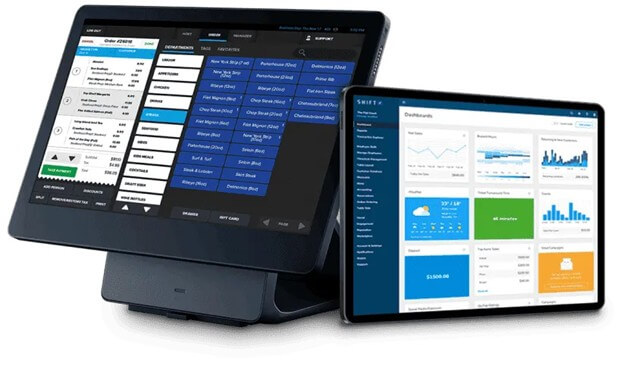
That’s where SkyTab enters, less hype, more value. Think $0 software costs. Free terminals dropped off at your doorstep. Credit card processing at 2.75% + 15 cents. And when chaos inevitably strikes at midnight on a Saturday? Actual humans pick up the support line (seriously, I’ve seen it at work). This isn’t marketing fluff; it’s the honest deal that’s pulling folks away from Toast this year. Curiosity piqued? Here’s what veterans and first-timers alike have found sorting out cost, migration headaches (spoiler: fewer than expected), and whether SkyTab delivers on all those promises.
What Pushes Restaurants Off Toast
Toast didn’t start greedy; it just slowly got there. The lowest sticker price is $99/month for tiny shops … and then you want online ordering? Add another chunk. Payroll management? Add more. WiFi for guests? You get the idea, you’re staring at $300–$400/month before that first lunch rush even starts.
Introduce some specific terminals, kitchen screens, and hardware costs everywhere now. Processing? The rate that looks so sweet to the ear has its fine print and lopping slivers off each and every transaction.
And the trap-door moment of renewal time: three-year lock-in, pre-built escalators to go up the price halfway through the term, and the only way to escape is to start paying gigantic early exit fees.
The year 2026 is now the breaking point of tight margin places that just cannot afford another dollar in a sudden increase. Every week, on industry forums, the complaints will be the same: fees are going up, customer service is slower than it was two years ago, and there are no real choices; it is difficult to change.
Peeling Back the Layers of Toast’s Pricing
On paper, Toast charges you a certain number of dollars monthly and every little addition (you have to strain your eyes to locate them). What really catches people hooked is the contract itself: three years minimum, and Toast is quietly pushing up prices every year (12-18 months appears to be the norm). Find a better offer elsewhere, or notice you are paying three times what was advertised? Too bad, you’re locked in.
To rub salt in the wound:
- Hardware leases are considered independent ones (another bill).
- Integrations charge connections monthly.
Which brings most folks who started at $150/month well past $300 before long.
SkyTab flips every bit of that logic on its head:
- Zero software charge.
- No increase in the next quarter’s price will be emailed to you.
- No ironclad contract.
- Check in on your judgment once every year.
- You are not going to have anyone holding your feet to any fires here.
- Processing is bundled for 75% + $0.15.
- Nothing crouching beneath the floorboards.
Hardware Stress and Support Nightmares
There is no use denying, Toast does produce fairly good equipment…which you lease to death. When a costly thing goes dead on Friday evening during dinner time, five minutes into the rush? Hereby, have fun standing in a slow-moving support queue where timing and ticket priority are the factors that determine when someone calls you back (and even then, not necessarily the right person).
With SkyTab, it’s different:
- On-site service is offered the same day or the next day.
- No such thing as remote help desk stuff.
- 24/7 phone lines
- Managed by actual human beings who understand that restaurants do not slumber on regular hours.
Also important to note: It requires extra invoices to be installed with Toast; SkyTab will install on most locations. That is all that spares businesses over $1K before selling anything.
Why SkyTab Actually Works Better: Cutting Out Bloat
SkyTab was not created by technocrats who speculated how many buzzwords they could stuff in an iPad application, but it was created by individuals who listened to real-world restaurant pain points:
- Simple POS that doesn’t fail.
- Payments made efficiently, on time.
- A technical team with a care when things are broken.
Nobody wanted AI-based labor projections or endless integrations; they simply wanted a system that performs basic tasks and makes them stand upright, does not drain their pockets, and does not compel them to take three-year contracts with a price increase waiting in every corner.
Transparency & Flexibility You Can Actually See
Here’s where SkyTab parts company from dated models:
- Only pay cards at running, 75% + $0.15 all (gateway, processor technology, hardware placement), bam.
- No license of the software is appearing anywhere below.
- There is no sneaking by accounts payable of integration upcharges.
- No autorenewal spam with an attempt to hold your future in ransom.
Suppose you are processing some 100K/mo via cards, you would get a card charge on SkyTab of about 2750/mo versus Toast of Sweet Soup of subscriptions/integrations/processing ( $4K+, easy ). Combine that over a year, and a platform change is literally money thrown away in operations or perhaps a long overdue repair of that patio heater.
What about flexibility? You are doing month-to-month with SkyTab, and they can walk at any time they lower their quality bar…and knowing that they have competition at their throats, they will never lower their quality bar.
Technology Built for Restaurant Reality
SkyTab runs on Shift4 Payments infrastructure, not small news if you care about rates dropping straight through tiers thanks to direct banking relationships (cuts out middleman markup). They make restaurant-grade hardware meant for sticky hands and slammed shifts:
- Fast boots.
- Offline mode if WiFi taps out.
- Smooth connections to kitchen printers/displays so tickets do not disappear in between the chop.
And again, the hardware comes free (for eligible businesses), set up within days, not weeks.
Mobile Payment = Faster Tables & Happier Staff
Speak to any person who has applied mobile payments since the pandemic: it saves time everywhere to move the tables of transactions. The average user with SkyTab reduced the time required to cut check close-outs by close to 50 percent since servers are able to process cards immediately when a guest requests:
- “Can we split this four ways?”
- “Of course.”
In high-traffic places, that can save 10-15 minutes per server per shift, no theory in this case; that is less headache during closing shifts or even mini-crises during brunch times multiple weeks a week.
Track Record: Side-by-Side with Toast
Honestly? Both systems handle basics well enough:
- Orders go through.
- Payments land in the bank.
- Third-party tools connect as needed.
But SkyTab ditches layers of add-on nickel-and-diming while keeping all features chefs actually use daily:
| Feature | Toast | SkyTab |
| Online Ordering | Yes (+$99/mo) | Yes (included) |
| Labor Mgmt | Yes (+$79/mo) | Yes (included) |
| 3rd Party Integrations | 100+ (per-fee) | 70+ (all included) |
| Mobile Payments | Yes | Yes |
| Offline Mode | Limited | Reliable |
| Phone Support | Ticket only | Real support, always |
| Onsite Setup | Extra charge | Free setup |
Quick Math—What Do You Really Save?
Let’s spell it out like an end-of-shift cash-out:
- Software License: $1200–$4800/year w/Toast vs ZERO with SkyTab.
- Integrations: Upwards of $1200/year vs ZERO.
- Hardware: Usually ~$2K/year rental vs ZERO.
- Processing Fees: About even… unless markups loom.
So even before counting peace of mind from flexible terms/not being locked-in/actual support staff, the bare minimum actual cash left in your account ranges between four and ten thousand bucks per site per year. Multiply by locations = serious dollars not going toward feeds for tech execs’ beanbag chairs.
What Does Switching Actually Look Like?
Everyone fears migration; the horror stories of data loss are real and dreadful. But practical reality isn’t so dire with teams like SkyTab’s handling legwork:
- 1–2 days: Gear arrives and gets set up.
- 1 day: Data import, you don’t retype menus/modifiers/pricing; it ports cleanly.
- 1–2 days more: Staff walk-throughs (usually everyone picks up core workflows inside three hours).
Downtime? Rarely more than half a day’s slow period is scheduled around what works best for your busiest times.
Migration Without Mysteries
Here’s something rare these days: SkyTab actually assigns a living person who follows each new client from first question through three check-ins past go-live (“How’d last Saturday night go?” etc.). So if anything glitches or feels unclear those first weeks, you’ve got an insider already briefed on how your operation ticks.
Should You Switch?
Short version: Staying put is costing more money than leaving, and there are fewer risks than big tech would like us all to think about.
If your spot regularly clocks north of $50K/month in card sales, you really owe yourself twenty minutes plugging numbers into both vendor quotes side by side.
Want hard clarity on what your exact scenario looks like?
- SkyTab will show everything upfront.
- No hidden “by-the-way” costs once you’re neck-deep in onboarding.
- Demo it firsthand so staff signs off.
- You’ll instantly sense whether workflows click better than whatever legacy system you’ve wrestled with late nights.
Lightning Round FAQ
How long before I’m switched over?
Usually, inside five business days door-to-door for single sites, a week or two max if you’re running multiple addresses.
Will my history vanish when I jump ship?
Nope, they pull menu/customer/sales records directly from Toast so you hit the ground running without losing guest preferences or loyalty stats.
Do I pay every time new staff need training?
Nope again, it’s covered from day one until everyone’s comfortable ringing tickets/batching out/fixing common hiccups solo.
If I hate it later…am I locked in?!
Absolutely not, month-to-month terms mean if it ever stops working as promised, or another disruptor comes along, you can move on without ugly contractual drama.
Final Take
Here’s what sticks after seeing dozens make exactly this switch:
- The math is undeniable.
- The support is refreshingly real.
- The margin recaptured pays for itself shockingly quickly, in most cases within half a year.
Leaving money on the table doesn’t make anybody proud these days. If your current POS feels like an anchor tied around payroll…it might be time to see firsthand what months without quiet fee creep, or dead-end ticket lags, feel like.
Popular on OTW Right Now!



About The Author

Gagan Bhangu
Founder of otechworld.com and managing editor. He is a tech geek, web-developer, and blogger. He holds a master's degree in computer applications and making money online since 2015.