
Why Everyone Is Quietly Switching to Virtual Numbers for Online Sign-Up
There is a moment almost everyone recognises. You are halfway through creating an account on a new app, the form looks harmless enough, and then it asks for your mobile number “for verification purposes.” You hesitate. You may have considered it for a fleeting moment, but then rejected it immediately since subconsciously you realize what it will result in: constant advertising texts, occasional marketing calls from a number you don’t recognize and unsettling sensation of surrendering your identity to a corporation that will be wiped from your mind.
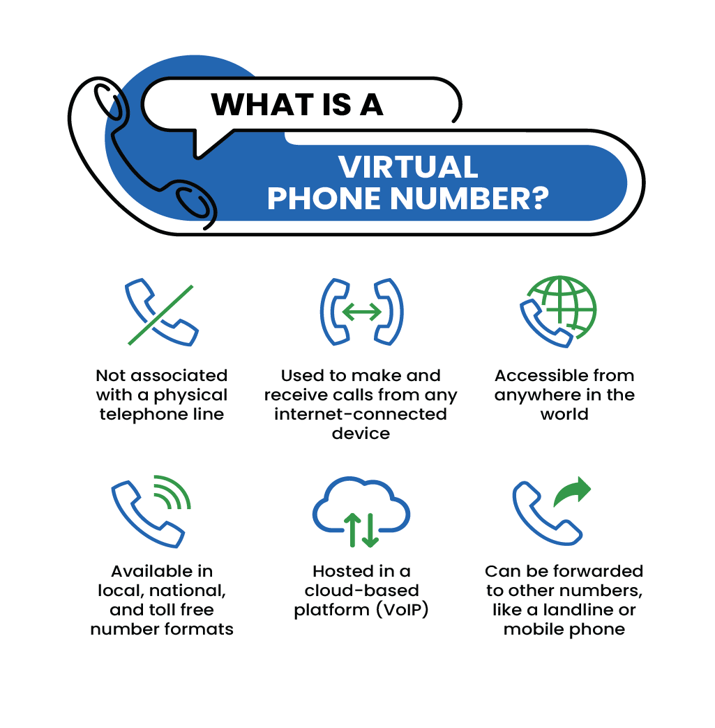
This small moment of inconvenience is one of the reasons why so many people started searching for different ways out, and one of the simplest ways was getting a free german phone number. Instead of constantly using your real phone number each time the app, forum, or online service needs phone verification, people turn to temporary numbers that accomplish the purpose and then no longer exist.
The UK Version of the Same Problem, and the Same Solution
The situation is no different on this side of the Channel. People who checked to use a British website, joined a local market, or simply forgot to share their phone number may have thought of using a free UK fake phone number. It is not about cheating, but about setting limits. Temporary United Kingdom numbers allow the verification code to be received and the registration completed, so that the real telephone number stays out of the data base, where it can be used without being authorized.
What makes this approach appealing is how ordinary the reasons behind it usually are. Freelancers testing a client’s platform before recommending it. Developers checking how their own sign-up flow behaves from a user’s perspective. Shoppers who want to grab a limited-time discount code that requires “verification” but have no intention of becoming a long-term customer. People are neither looking for trouble nor trying to hide from it. They are merely attempting to navigate the internet as every one of us would wish to do: without having to worry about being personally identified each time they interact online.
Why Phone Verification Became the Default in the First Place
It helps to understand why this problem exists at all. Phone verification became popular with platforms for a fairly practical reason — it is a cheap and reasonably effective way to cut down on fake accounts, bots, and spam. A phone number is harder to generate in bulk than an email address, so requiring one adds friction for anyone trying to abuse a platform at scale.
The problem is that this same friction is also applied indiscriminately to legitimate users. A student registering to make a comparison of different studying applications is not more malicious than a shopper trying out their coupon code, but they still have to provide similar information as someone opening hundreds of fake accounts. In a way, temporary numbers work to solve this problem by providing users with an opportunity to verify themselves without being excessive in their information sharing.
How the Whole Thing Actually Works
The mechanics are refreshingly simple. A platform provides a pool of active phone numbers from a specific country. A number that can be accessed right now is chosen by you, so the number works for you just like your own telephone number in the sign-up process, and you get the verification text from the site’s webpage instead of a physical phone. There are no SIM card transfers involved or anything being received, and once the code is used, the number is left behind for the next client in line.
It is worth being upfront about the limits of this approach. These numbers are, by design, shared and temporary, so they are not the right tool for anything involving long-term account recovery, banking, or situations where you genuinely need exclusive, ongoing access to that number. Their real strength is in the narrow, specific task of getting past a one-time verification gate — which, in practice, covers a surprisingly large share of the reasons platforms ask for a phone number to begin with.
Personal Number vs. Temporary Virtual Number: A Quick Comparison
Before deciding which one to reach for, it helps to see the two side by side:
| What Matters | Your Personal Number | A Temporary Virtual Number |
| Marketing & Spam Exposure | High – number often ends up in commercial and marketing databases | None – number is dropped after the verification code is used |
| Best Suited For | Banking, close contacts, long-term account recovery | One-time sign-ups, quick trials, and platform testing |
| Privacy Control | Limited – once shared, it is hard to take back | High – no lasting link to your personal identity |
| Long-Term Reliability | Consistent – same number stays with you | Not guaranteed – numbers are shared and temporary |
| Ideal Use Case | Accounts you plan to keep and manage for years | Verifying an app, forum, or offer you may never use again |
Reading the Fine Print Before You Rely on One
Different platforms handle verification differently, which is important. The platform may reject numbers that are otherwise valid because those same numbers have been used plenty of times before. It is advisable to try the ‘fresh’ numbers or the numbers that have not been used too often for verification when the first try fails.
There is also a simple courtesy worth keeping in mind: because these numbers are shared, whatever code or message lands in that inbox is, in principle, visible to anyone else looking at the same number at that moment. That is a fair trade-off for a one-off sign-up, but it is one more reason these numbers are meant for quick verification tasks rather than anything you would want kept private over time.
A Small Habit With a Real Payoff
None of this requires a shift in how you think about privacy in some grand, sweeping sense. It is a small, practical habit — the digital equivalent of not handing your home address to every shop you walk into. Over enough sign-ups, that habit adds up to a noticeably quieter inbox, fewer unfamiliar calls, and a little more control over which parts of your identity you actually choose to share.
The internet is not going to stop asking for phone numbers any time soon, and for genuine security reasons, it probably shouldn’t. But you get to decide, case by case, whether the number you hand over is one that matters to you or one that was never meant to be personal in the first place. For a growing number of people, that decision has become almost automatic — and once you start making it, it is hard to imagine going back to giving out your real number just to unlock a discount code or peek at a new app.
Popular on OTW Right Now!


About The Author

Gagan Bhangu
Founder of otechworld.com and managing editor. He is a tech geek, web-developer, and blogger. He holds a master's degree in computer applications and making money online since 2015.