
Why Electric Dirt Bikes Are Becoming More Than a Niche Off-Road Vehicle
Electric dirt bikes once occupied an awkward space between bicycles and motorcycles. Early products were often judged by what they lacked: engine noise, long-distance refueling, or the familiar mechanical character of a gas dirt bike. Today, the category is increasingly being judged on what it can offer on its own terms.
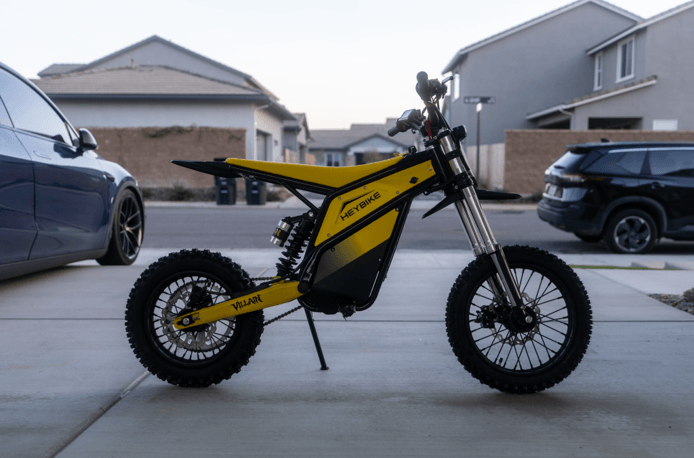
That change is important. A niche product caters to a small group who are willing to make compromises. A growing category attracts a different kind of rider since it deals with a number of separate problems. Electric dirt bikes are moving in that direction as performance, design, and buyer expectations mature.
The Riding Experience Is Distinct, Not Imitative
Top electric models no longer have to try to appear as quieter versions of gas engines; the way in which they deliver power gives a different experience. They have immediate torque, their drivetrains can be quite simple, and riders need not always operate both the clutch and the gearbox.
The way the rider deals with the terrain changes because of these characteristics. At low speed, power can be applied accurately, acceleration is instant, and attention can be focused on the choice of line, on traction, and on body position. Although experienced motorcyclists might overlook the need to shift gear, other riders regard the fact that such gear changes are not required as a benefit.
They Appeal to More Than Traditional Dirt Bike Riders
Electric dirt bikes are not merely drawing in people who already have experience on traditional dirt bikes; some come from the wider e-bike community, while others are just seeking a more active way of spending time in outdoor settings.
The kind of background a person has can influence the expectations they have regarding the bike. Someone used to e-bikes might already value electric power and smooth throttle response, while an experienced dirt-bike rider will likely focus more on suspension, handling, and off-road ability. In other cases, the attraction may lie less in comparing electric bikes with gas-powered ones and more in having a different method of exploring trails and outdoor areas.
This mix of riding backgrounds is also reflected in the companies entering the category. Heybike Sports, for example, brings Heybike’s experience in electric bikes into electric dirt bikes, connecting the growing interest in electric mobility with off-road recreation.
Quiet Operation Changes Where the Product Fits
Noise does more than affect rider comfort. It influences how a vehicle fits into a household and how it is perceived near other people. An electric dirt bike still produces tire, chain, motor, and suspension noise, but it does not have the same exhaust note as a gas-powered bike.
This can reduce the disruption involved in carrying out home storage, carrying out basic testing, and getting the equipment ready for transport. It can also make a trail ride feel more connected to the surrounding environment, since riders can hear the tires losing traction, communicate more easily, and spend less of the day immersed in engine noise.
Just because a machine operates quietly doesn’t mean that people automatically gain access to trails or residential areas—regulations still have to be followed. However, the reduced noise does give electric machines a practical advantage that goes beyond their performance specifications.
Maintenance Is Easier to Understand
Off-road vehicles are not completely maintenance-free since the tires wear out, the chains stretch, the bearings require looking after, the brake pads vanish, and the suspension parts work in dust and mud. Electric drive systems, on the other hand, eliminate several usual engine-related jobs since there is no need for engine oil, spark plugs, carburetors, or an exhaust system.
For those who don’t have a strong background in mechanics, this difference can reduce the psychological difficulty of taking on ownership. Instead of worrying about everything, maintenance can focus on the chassis, brakes, drivetrain, fasteners, and the battery. It’s still possible that professional servicing will be needed, but everyday ownership can seem less daunting.
The Product Range Is Becoming More Diverse
A category becomes more useful when customers can choose different sizes, outputs, and purposes; electric dirt bikes are no longer defined by a single basic type, and the market now includes lightweight recreational models, youth bikes, adult trail bikes, and high-performance vehicles similar to electric motorcycles.
Since this type of bike enables riders to focus on aspects such as control, portability, suspension, range, or speed itself, it also means that comparisons become more difficult. It is wrong for a buyer to suppose that all vehicles referred to as electric dirt bikes are of the same legal category, have the same equipment, or are intended for the same type of terrain.
Battery Limitations Are Becoming a Use-Case Question
Range is still a real limitation, especially in the case of long rides from remote locations. However, the actual issue has shifted. Rather than wondering if an electric bike can meet all the use cases of a gasoline bike, most buyers now ask whether it will be able to comfortably handle their own typical ride.
The needs of a rider who spends 60 to 90 minutes on local trails differ from those of someone covering large areas without paying for access. Although home charging might be very convenient for the first type of rider, it will not be adequate for the second. When buyers get more used to the battery’s capacity, the impact of the terrain, and the time it takes to charge, they will be able to make that distinction more realistically.
Digital Control Adds Value Beyond Raw Power
It is also possible to adjust the way the bike performs by using different riding modes and setting the controller. When in a lower-power mode, the bike becomes steadier, which is useful when practicing or on slippery ground, while a more responsive mode can deliver stronger acceleration under the right conditions.
Because of this adaptability, a vehicle is able to operate over a broader range, on the condition that the controls are carefully designed. It also means that the competition is no longer solely based on peak wattage. Just as much as a headline power figure, things such as throttle mapping, thermal management, battery protection, and consistent power delivery can be important.
Ownership Still Requires Better Information
Just because a product has moved beyond a niche doesn’t mean that all the problems have been solved; the labels differ from one another, the actual performance varies, and the legal regulations can be difficult to understand. Buyers also need confidence that replacement parts, batteries, chargers, and service will remain available.
As more people use the product, more detailed specifications and better dealer or manufacturer support will matter; a technically impressive bike may still fail to satisfy owners if they cannot understand the required maintenance or get the necessary parts.
A Category With Its Own Reasons to Exist
The best indication of a change is that people nowadays do not buy electric dirt bikes simply because they want to avoid using gasoline; instead, they might choose one since it has responsive power, is easy to operate, requires less maintenance on the drivetrain, can be charged at home conveniently, or because it offers a quieter experience when outdoors.
When people look at the electric dirt bikes currently available, they will see that the range of models is being directed at a wider variety of riders. This variety is the factor that causes the whole vehicle category to move towards the mainstream. Electric dirt bikes need not replace every gas-powered dirt bike to matter; it is enough that they offer a better solution for a number of real riding situations for the people who choose them.
Popular on OTW Right Now!



About The Author

Gagan Bhangu
Founder of otechworld.com and managing editor. He is a tech geek, web-developer, and blogger. He holds a master's degree in computer applications and making money online since 2015.