
What To Consider Before Installing A Laundry Card System
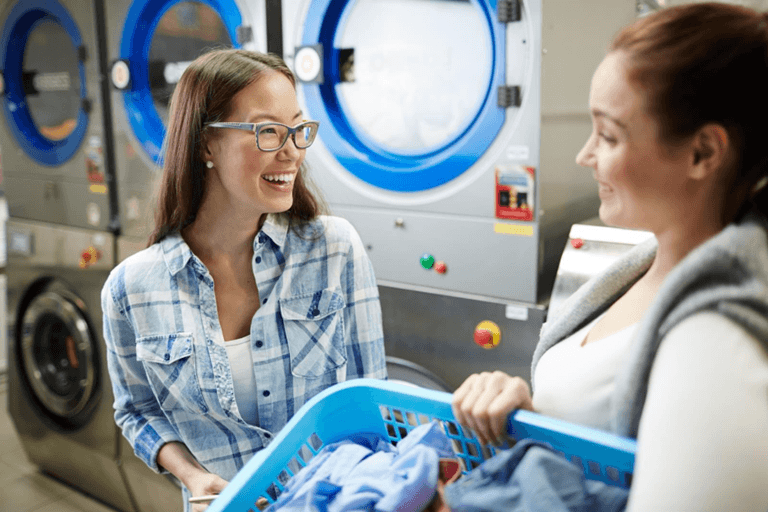
Operating a laundry business seems like a balancing act. You are handling machines, maintenance, and day-to-day operations on one side and customer expectations that keep changing on the other. Handling coins especially generates friction that is not necessary- collection problems, security, and restricted payment options.
In the meantime, the customers are becoming increasingly favorable to quicker, non-cash, and more convenient methods of paying. This is why a lot of operators are thinking about innovative payment options in order to remain competitive and efficient.
Nevertheless, switching to a new system is not only about convenience; it also requires planning and assessment. There is compatibility, cost, user experience, and long-term scalability, which are all very important factors in the decision-making process.
This paper discusses what you need to know before you install a laundry card system.
1. Flexibility in Payments and User Experience
When considering a laundry card system, the initial consideration to make is its effect on the experience of your customers. Anyway, convenience is one of the main reasons why people give up coins. A payment system that allows payment via multiple methods, including prepaid cards, mobile wallets, and contactless payments, can contribute greatly to usability.
In addition, consider the intuitive nature of the process. Are users able to easily load funds on their cards? Do they have a well-defined interface that navigates their transactions? A smooth experience will decrease confusion and decrease the number of support requests.
Besides, think about your customer base. As an example, the card-only system can be offered in laundromats within residential complexes, whereas the hybrid model could be needed in the case of public laundry. Finally, the easier the payment process, the greater the customer satisfaction and retention.
2. Installation Requirements and Compatibility
Then you should consider the compatibility of the system with your existing machines. Digital payment solutions cannot be instantly compatible with all types of laundry equipment, so it is essential to know the technical specifications.
Other systems may need hardware upgrades or new hardware, like card readers or communication modules. Thus, you should also verify that your existing washers and dryers can accommodate these upgrades without significant changes.
Also, take into account the process of installation itself. Is it going to interfere with your operations? How many years will it take to roll out to your facility? By anticipating, there will be less downtime and a seamless transfer. When you pay attention to compatibility, you will save on some hidden expenses and make sure that the system is efficient even on the first day.
3. Information Monitoring and Business Intelligence

Access to real-time data is one of the greatest benefits of modern payment systems. Digital systems, unlike coin-operated machines, give great information on usage patterns, revenue trends, and machine performance.
Compare the nature of analytics provided by the systems before deciding on a system. Are you able to monitor peak hours? Does it give reports on machine efficiency or maintenance requirements? This knowledge assists you in making a wise choice in pricing, scheduling, and resource allocation.
Moreover, it is possible to keep track of multiple locations more efficiently since the data is centralized. It comes in handy particularly when you are dealing with multiple properties, or you intend to scale up. Data-driven decision-making may enhance profitability and operational efficiency in the long term.
4. Maintenance, Reliability, and Support
Although high-tech systems have many advantages, they are also technology-based and require maintenance. This is why reliability must be one of the priorities in your decision. Begin by considering the longevity of the hardware.
Are the card readers designed to be used regularly? Are they able to perform under varying environmental conditions? These aspects directly influence the life span of the systems. Moreover, remember the degree of technical support. In case of a problem, how fast can it be solved? Downtime not only causes a decline in revenue but also annoys customers.
Search engines with remote diagnostic and update systems. This enables problems to be detected and corrected without necessarily having to be on site. As a result, maintenance is made more efficient and less disruptive.
5. Security and Fraud Prevention
Dealing with payments, be it digital or physical, is always a security risk. Thus, a system must be selected that focuses on data protection and the prevention of fraud. Contemporary laundry payment systems are usually encrypted and use secure authentication procedures. Nevertheless, not all systems provide equal protection.
Consider: Does the system meet industry security requirements? Does it protect customer payment information against breaches? These are particularly relevant with the increasing number of digital transactions.
Also, digital systems have the potential to minimize the hazards of handling cash, which include theft or miscounting. With less physical contact with cash, you provide a safer space to both employees and clients.
6. Cost Structure and Return on Investment
Although switching to a digital system requires an initial investment, it is important to evaluate the long-term financial impact rather than focusing solely on upfront costs.
Start by understanding the pricing model. Does the system involve hardware costs, software subscriptions, or transaction fees? Knowing these details helps you calculate the total cost of ownership.
Next, consider potential savings. For instance, reducing cash handling can lower labor costs and minimize errors. Additionally, improved efficiency and customer satisfaction can lead to increased usage and revenue.
It is also worth examining scalability. A system that grows with your business can provide better value over time. Therefore, balancing cost with functionality is key to making a smart investment decision.
7. Remote Management and Operational Control
Another important factor to consider is how much control the system gives you over your operations. Remote management capabilities can transform how you run your laundry facility.
For example, some systems allow you to monitor machine status, adjust pricing, and receive alerts from a centralized dashboard. This level of control reduces the need for constant on-site supervision.
Moreover, remote access enables faster response to issues. If a machine stops working or requires maintenance, you can address the problem immediately. This not only improves operational efficiency but also enhances customer trust. When machines are consistently available and functional, users are more likely to return.
Final Thoughts
Installing a modern laundry payment solution can significantly improve both operational efficiency and customer satisfaction. However, making the right choice requires careful evaluation of several critical factors. From ensuring payment flexibility and system compatibility to prioritizing security, data insights, and remote management, each aspect plays a role in long-term success.
At the same time, understanding the cost structure and potential return on investment helps you make a financially sound decision. By taking a strategic approach, you can avoid common pitfalls and maximize the benefits of going cashless. Ultimately, the right system should simplify operations and enhance user experience.
Popular on OTW Right Now!
-
 Why Nonprofits Trust Foster Care Software for Community Services
-
 Best Pizza POS System: What Pizzerias Need for Delivery, Modifiers, and Fast Checkout
-
How Contractors Can Reduce Cost Overruns on Construction Projects
-
Understanding Outdoor Patio Drainage Problems and How Proper Grading Protects Your Home



About The Author

Gagan Bhangu
Founder of otechworld.com and managing editor. He is a tech geek, web-developer, and blogger. He holds a master's degree in computer applications and making money online since 2015.