
Valentine’s Day and Beyond: Teaching Friendship and Social Skills
Understanding the Importance of Social Skills
Friendship and social skills are essential components of a child’s development, enabling them to interact effectively with peers, build meaningful relationships, and navigate a variety of social situations. Valentine’s Day, with its emphasis on friendship, kindness, and shared activities, provides an excellent opportunity for teaching and practicing these skills. However, some children may struggle with social interactions due to developmental differences, sensory sensitivities, or social anxiety. Structured support and guidance are critical to helping these children succeed in developing social competence. ABA therapists at Kids Club ABA offer evidence-based strategies that focus on enhancing communication, turn-taking, empathy, and cooperative play. By integrating these approaches into themed activities and daily interactions, caregivers and educators can foster social development in engaging, meaningful ways that extend beyond a single holiday.
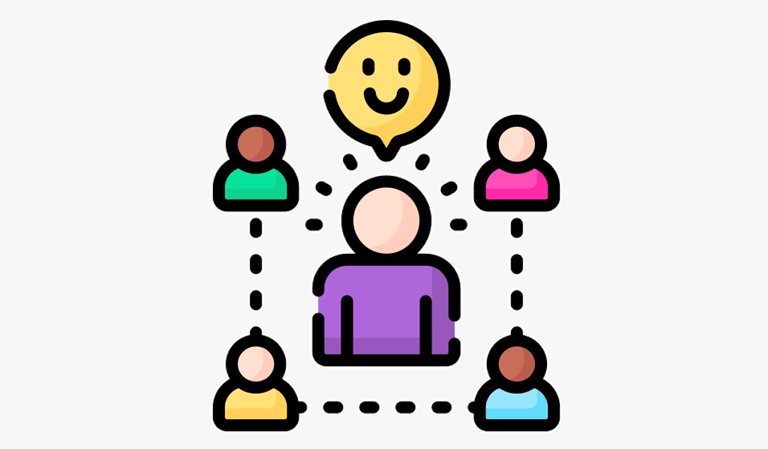
Preparing Children for Social Interactions
It is important to prepare children in advance for social interactions during Valentine’s Day activities and in general social situations. Visual aids, social narratives, and role play scenarios offer a guideline through which children can predict what is expected, like trading cards, meeting peers, and engaging in group activities. Social skills training provided by ABA therapists at Kids Club ABA can involve modeling of the correct behaviors, rehearsing of greetings, and positive interactions. These preparatory measures can make children feel more confident, alleviate anxiety, and make them more capable of interacting with peers. Regular practice will help children to be prepared to take friendship-building activities with excitement and insight.
Encouraging Turn-Taking and Cooperative Play
The core social skills that help children to interact effectively with others are turn-taking and cooperative play. Children are able to take turns during activities associated with Valentine’s Day, like giving out cards, distributing materials in crafts, or playing group games. ABA therapists at Kids Club ABA offer structured interventions that offer tools to reinforce cooperative behavior and promote interaction through the use of prompts, modeling, and rewards. With these skills as practiced in a systematic environment, children get to learn patience, perspective-taking, and empathy, which is very crucial in creating and sustaining friendships. Such experiences not only improve social competence in holiday activities but also provide a platform for social interaction in the general year-round activities.
Promoting Communication Skills
The key to friendship, the need for expression and conflict resolution, is centered on effective communication. Valentine Day activities, including writing notes, showing gratitude, or sharing feelings, can be considered as effective settings to learn how to communicate. At Kids Club ABA, verbal expression, listening, and responding appropriately to peers can be practiced with the help of prompts and reinforcement strategies, which are designed by ABA therapists. These organized learning activities show the children how to express themselves, ask questions, and answer them in an empathetic manner, facilitating effective interpersonal communication and developing confidence in their skills to communicate with others. Reinforcement in a consistent manner will aid in the generalization of such skills outside the context of the activities of the holiday in the real world, ensuring further social growth.
Using Visual Supports and Social Stories
Social stories and visual supports can be a great way of teaching social skills, particularly when it comes to a structured activity such as Valentine’s Day. Visual schedules may show the sequencing of participating in an activity, and social stories talk about suitable behavior, expectations, and social cues in a relatable manner. These tools make it clear, reduce anxiety, and help children learn the subtleties of social interaction. ABA methods used by ABA therapists at Kids Club ABA include developing social stories based on a child’s developmental level, reinforcing understanding, and practicing scenarios through role-play. Through visual and experiential learning, the children will feel confident and competent in negotiating the structured holiday activities as well as incidental social interactions.
Reinforcing Positive Social Behavior
Another fundamental element of ABA methodology is reinforcement, and it is very useful in enhancing social interaction. Praise, tokens or other rewards can reinforce positive behaviors, like sharing, complimenting peers, cooperating, and expressing emotions appropriately. Through reinforcement techniques taught by ABA therapists at Kids Club ABA, parents and teachers can teach desired behavior systematically during the activities of Valentine’s Day and even at other typical social encounters. Such behaviors are generalized and become more stable over time in different environments, allowing children to acquire sustainable social skills that can last much longer than the situation on holiday.
Integrating Friendship Lessons into Everyday Life
Although the theme of Valentine’s Day provides a social skills exercise, the real aim of the process is to apply the lessons on a daily basis and in daily interactions. Natural opportunities to strengthen friendship, cooperation, and empathy can be found in everyday activities, including classroom engagement, playground activities, and family reunions. The principles of ABA help caregivers to incorporate social skills teaching into everyday life, monitor progress, and change the strategies as necessary. Repeated practice and reinforcement are beneficial to children, as they reinforce skills and promote generalization to different settings. The focus on practical implementation will make the social skills acquired in the course of Valentine’s Day significant and sustainable.
Addressing Individual Needs and Sensitivities
Each child possesses special strengths, weaknesses, and sensibilities that affect social interactions. Certain children might need extra communication, sensory, or behavioral support. ABA therapists offer customized assessment and intervention planning to make sure that individualized strategies addressing the needs of each child are used. As an example, children with hyperirritability (sound or touch) may enjoy adapted activities, rest, or sensory aids to enable participation. ABA therapists at Kids Club ABA can ensure meaningful interaction, gain confidence, and ultimately establish long-term abilities to engage socially by addressing individual differences.
Encouraging Peer Modeling and Social Observation
Peer modeling is an effective way to teach social skills because children are able to observe and engage in the right behavior as modeled by their peers. The group activities on Valentine’s Day give a chance to do peer modeling, children get to observe how to share, take turns, compliment, and cooperate. Interventions based on ABA lead caregivers to emphasize the positive behaviors, encourage imitation, and praise the successful tries. Through peer observation and structured support, social learning is encouraged in natural environments, supporting how friendship and communication skills are developed in natural and engaging ways.
Supporting Emotional Recognition and Empathy
Developing empathy and understanding emotions are crucial aspects of social competence. Giving Valentine cards, praising peers or talking about feelings during crafts will allow children to become more aware of emotions and react to them accordingly. ABA strategies are aimed at learning to recognize emotions, take another person’s perspective, and respond to their emotions in a proper way. In collaboration with ABA therapists in Kids Club ABA, children learn to recognize emotions, empathize, and interact socially in ways that are meaningful, enhancing their skills of developing and sustaining friendships. Such competencies are precursors of social success in the long term, not only on holiday but in real life.
Conclusion
Valentine’s Day provides a rich opportunity to teach and reinforce friendship and social skills, offering practical and engaging contexts for communication, cooperation, and empathy. Structured interventions and evidence-based strategies, delivered by ABA therapists at Kids Club ABA help children prepare for social interactions, practice turn-taking and cooperative play, communicate effectively, and manage sensory and behavioral challenges. Through the use of visual supports, social stories, positive reinforcement, peer modeling, and individualized supports, children can develop confidence and competence in forming meaningful relationships. By extending these lessons beyond Valentine’s Day and integrating them into daily routines, caregivers can support lasting social growth, ensuring that children are equipped with the skills and confidence to navigate friendships successfully throughout the year.
Popular on OTW Right Now!
-
 Phone Addiction Isn’t Just a Buzzword: What’s Actually Happening in Your Brain
-
 Maximizing Visual Impact: Poster Picture Frames for Retail, Galleries, and Exhibitions
-
 Handheld Fiber Laser Welding Machine: A Practical Guide for Metal Workshops
-
 How Freetan M-368X and Freetri E-361 Fit Different Electric Trikes for Seniors Needs



About The Author

Gagan Bhangu
Founder of otechworld.com and managing editor. He is a tech geek, web-developer, and blogger. He holds a master's degree in computer applications and making money online since 2015.