
Understanding the Value of Organized Safety Management Services
Safety management is often viewed as a regulatory requirement, but its impact reaches much further into daily operations. In demanding work environments, organized safety systems influence communication, productivity, employee confidence, and long-term stability. Without proper structure, even experienced teams can struggle to maintain consistent safety standards.
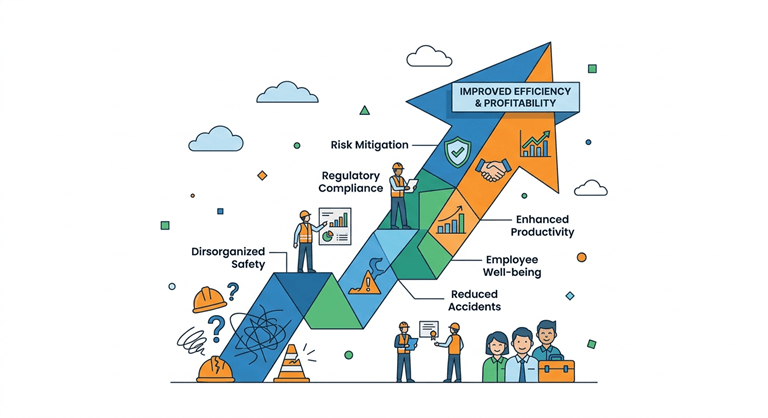
The more complex and larger a project is, the greater is the need for coordination in the area of oversight. Many factors, such as multiple crews, changing schedules, and changing conditions, make it easy to be caught up in a situation that eventually becomes a problem. These risks can be addressed by having a structured workplace with consistency through the utilization of organized safety management services.
These services are not just about preventing incidents; they can also help to enhance the overall functioning of the organization. A well-structured work environment that has clear expectations and is well-planned is more efficient and less disruptive. Effective safety management can enhance both safety and performance.
Safety Management Creates Operational Structure
Responsibilities and processes are often ambiguous, leading to many workplace issues. Different instructions can be given to workers, different approaches to situations by supervisors, or different practices for teams. These can lead to confusion, impacting productivity and safety.
A structured approach to safety management can set up an operational structure. Procedures are becoming standardized, communication channels are now defined, and responsibilities are more effectively assigned. This uniformity enables teams to function more efficiently and effectively together.
Once the structure is established, day-to-day operations go smoothly. Uncertainty presents less of a distraction to workers and more of a challenge to their focus. This can help to streamline processes and ensure more predictable project outcomes.
Planning Reduces Preventable Risks
The foremost aim of safety management services is to find out risk beforehand, before it develops into a bigger issue. Reactive approaches typically result in decisions that focus on symptoms, rather than underlying causes. Planning is essential to a stronger base of prevention.
Effective planning is when work, tasks, and environments are reviewed, hazards are identified, and procedures are developed that suit the situation. This can assist organizations to proactively deal with challenges rather than react to them as they arise.
Menotti Enterprise, LLC often highlights the importance of detailed planning in maintaining safer and more efficient operations. Preventative strategies reduce unnecessary disruptions while helping organizations stay more organized under pressure.
Consistent Oversight Improves Reliability
Safety systems need to be monitored on an ongoing basis in order to be effective. The situation at a job site may quickly change because of weather, equipment, personnel changes, or changing project requirements. If not monitored on a regular basis, procedures can become ineffective over time.
A safety management service with an organized approach provides continuous evaluations that assist organizations in keeping control in a changing environment. Standards are constantly monitored through regular inspections, reporting, and performance reviews.
This type of control increases the reliability of operations. Teams know what is expected, supervisors can rapidly and effectively resolve issues, and employees have trust in the systems that are supporting them.
Better Communication Strengthens Team Coordination
Mistakes in the workplace are often due to communication issues. Unreliable updates, confusing directions, or inaccurate reporting can cause a problem for many teams. But even minor miscommunications can result in bigger operational problems in complex environments.
Structured Safety Management: better communication is created through defined processes for information exchange. Teams remain aligned during the day thanks to regular briefings, reporting, and identified points of contact.
Comfortable people are also able to raise concerns when communication systems are in place and responsive. Early hazard reporting or procedure issues enable organisations to solve issues before they become more serious.
Training Supports Long-Term Consistency
If workers don’t know how to use safety procedures correctly, then they will be ineffective. Training programs for safety management are usually part of organized safety management services, where policies are related to real-world situations. This is a hands-on approach that helps increase awareness and confidence.
Onboarding is not the only type of training. Training that continues over time keeps workers up-to-date with changing conditions, equipment, and regulations. Refreshers help to maintain key habits and minimise procedural drift.
The benefit of hands-on learning is that it gives employees practice in responding in simulated situations. This preparation helps to make decisions in real-world problems and helps to achieve uniform performance.
Accountability Encourages Better Habits
Good accountability is crucial to ensuring a high safety standard. If you don’t have clear duties and responsibilities, employees may think that someone else is doing their job. This leaves gaps that have a negative effect on overall performance.
Clear expectations are set throughout an operation with organized safety management. All supervisors/employees and leadership teams know their roles in the system. This transparency helps to increase consistency and better behavior.
Teamwork is further enhanced by accountability. Staff are sensitised to the impact of their actions on others, and there is greater cooperation and a shared focus on work conditions.
Organized Environments Improve Efficiency
There is a close relationship between safety and efficiency. Cluttered work areas are more likely to cause delays, confusion, and disruptions in work function. The cluttered space, lack of consistency in process, and lack of coordination introduce unnecessary barriers between people in normal operations.
A well-structured safety management can contribute to safe and more predictable environments. Effective storage solutions, well-defined work zones, and processes create fewer distractions and help operations run more smoothly.
These enhancements tend to result in increased productivity in the long run. Employed in an organized setting, workers move more easily without having to worry about unnecessary complications or uncertainty.
Long-Term Benefits Extend Beyond Compliance
Compliance and the long-term benefits are much greater, as many organizations start out using safety management services to satisfy compliance standards. Good systems help to ensure stability in operations, better morale, and uniformity in project performance.
Organized safety measures make employees more likely to stay productive and on task. This helps to promote great teamwork and greater overall job satisfaction. The employee retention rate is also likely to increase when there is a positive work environment.
The organized safety management over time becomes the identity of the organization. Plan, communicate, and supervise effectively to produce more efficient workplaces in crisis situations. This adds to the safety and long-term success.
Popular on OTW Right Now!




About The Author

Gagan Bhangu
Founder of otechworld.com and managing editor. He is a tech geek, web-developer, and blogger. He holds a master's degree in computer applications and making money online since 2015.