
Beyond Pixels: The Real Work Behind UX/UI Design
Undoubtedly, UX/UI design is interpreted in popular imagination as superficial aesthetics, such as color schemes, typography, layouts, slick interfaces. The reality is, however, much richer, deeper and complex. The actual practice of UX/UI design precedes the instance when a designer opens Figma or creates a sketch of a wireframe. It occurs within the unseen layers: being a user, strategy, complexity untangling, and real-life human problems.
Design isn’t decoration.
It’s decision-making.
And the best decisions come from truly understanding the people who will use the product.
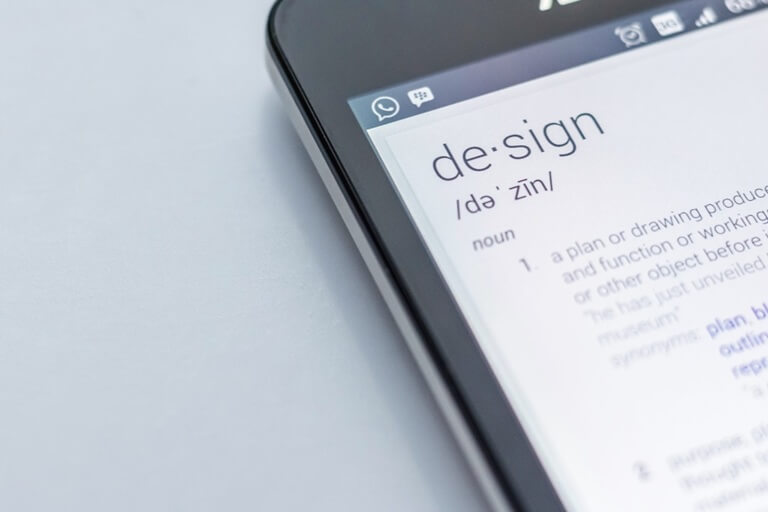
The Myth: UX/UI = Pretty Screens
Many stakeholders first think of UX/UI as the “visual part” of a digital product. But visuals are the outcome, not the work itself. Interfaces aren’t shaped by inspiration alone—they’re shaped by insight.
What users see on screen is the final 10% of the design process.
The other 90% happens behind the scenes.
The Foundations: Research and Understanding
Good design is all about profound insight- not suppositions. Teams have to investigate before anything is drawn:
- Who are our users?
- What do they struggle with today?
- What motivates them, scares them, or inspires them?
- What goals are they trying to achieve?
- Where does friction occur—and why?
Interviews, usability testing, contextual inquiry and behavioral analytics tools expose trends and facts that no brainstorming would ever bring out.
This is the kind of work that distinguishes a thoughtful UX/UI design company from one that simply focuses on visual polish.
The most creative designers do not conjecture; they are learning, watching, interpreting, and sympathizing.
The Strategy: Turning Insight Into Direction
Once you understand users, the next question becomes:
How should the product solve their needs while supporting business goals?
This is where UX strategy comes into play. It includes:
- Defining user journeys.
- Mapping opportunities and pain points.
- Prioritizing features.
- Aligning stakeholders.
- Developing a specific product vision.
Good UX/UI designers do not make screens, but they make sense. They assist teams to know what is important, what is not important and why.
The Architecture: Designing the Logic Behind Interaction
Before a pixel is placed, the design must be structured:
- Navigation patterns.
- Information architecture.
- User flows.
- Interaction rules.
- Error states and edge cases.
This unseen framework identifies the sense of effortlessness and intuitiveness of the product.
Great UX is something that is not easily felt by users, but poor structure never goes unnoticed.
The Craft: Turning Strategy Into Visual and Interaction Design
Only after research, strategy, and flows come the visuals.
UI design is where the interface begins to take form:
- Layouts.
- Typography.
- Color systems.
- Component design.
- Motion and microinteractions.
- Visual hierarchy.
Great UI doesn’t just look good. It guides, communicates, and builds trust.
The System: Creating Scalable Design Foundations
Modern products evolve constantly. To ensure consistency across features, teams build design systems—reusable components and visual rules. They offer:
- Brand consistency.
- Faster development.
- Seamless collaboration.
- Long-term scalability.
Design system is not an object that you purchase once; it is a strategic basis of further development.
The Testing: Validating, Iterating, Improving
UX/UI design is never “done.”
User testing reveals:
- Friction beneath polished interfaces.
- Misunderstood interactions.
- Accessibility issues.
- Opportunities for refinement.
It is not all about perfection, but progress. Testing fuels continuous improvement.
The Collaboration: Where Design Truly Happens
UX/UI design requires alignment across:
- Product management.
- Development.
- Research.
- Stakeholders.
- Brand and marketing.
- Customer support.
It is designers who are facilitators as well as creators.
They are intermediary and make sure that decisions are user-driven.
The Value: The Quiet Power of Good UX/UI
When all the underwork is completed properly, users do not even bother to consider the design. They simply:
- Understand the interface.
- Feel confident navigating.
- Trust the product.
- Enjoy the experience.
- Achieve their goals effortlessly.
That’s the real magic of UX/UI: It goes away and leaves behind it the value it brings.
Conclusion: The Real Work Happens Before the Screen
The UX/UI design is never determined by the end pixel; it is determined by the thoughts, research and strategy that precede it. Once these foundations are invested in by the teams, digital products are no longer attractive but intelligent, strong, and truly useful.
Amidst the digital noise of the world, the most notable products are not the decorative ones, but the more substantial ones.
They are conceived based on knowledge, and not guess.
It is the actual effort of the UX/UI design.
Popular on OTW Right Now!




About The Author

Gagan Bhangu
Founder of otechworld.com and managing editor. He is a tech geek, web-developer, and blogger. He holds a master's degree in computer applications and making money online since 2015.