
Optimizing Warehouse Operations With Tailored Services
Warehouses are often imagined as predictable environments where staff carry out the same routines each day. Beneath this surface, however, lies a complex operation that must react to a wide range of variables, from fluctuating order volumes to seasonal surges and unexpected disruptions.
Most organizations rely on generic, broad operational models. While these approaches may be sufficient in the short term, they are rarely precise enough to support long-term competitiveness. Precision is what sets tailored warehouse services apart. Solutions such as Boxie24 storage solutions shape operations to fit the unique structure and demands of a business, rather than forcing the business to adapt to a rigid, pre-existing framework.
The power of tailored services is not only in boosting performance but in revealing potential that standard systems overlook.
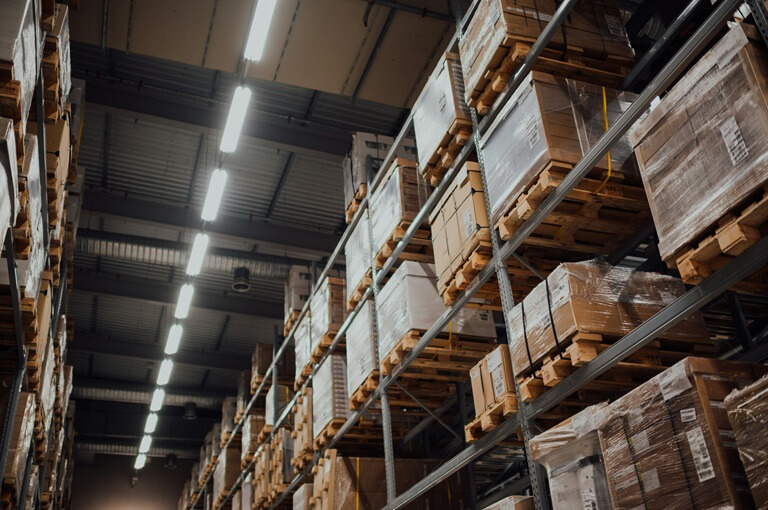
Why tailored services outperform standard approaches
Improvement is often the aim of modern warehouses in the form of new equipment or higher levels of automation. These improvements are handy, yet they are not typically concerned with the factual reality underlying the fact that every warehouse is a unique operating system. Two plants that appear the same on paper may work absolutely differently, with the difference in the types of product and the expectations of the customers. This is where tailored solutions, supported by smart logistics software development services, begin to show their strength.
Customized services analyze the actual beat of a warehouse instead of projecting it on some predetermined pattern. The process of picking routes changes according to the live order behavior, and the workflows will automatically adjust as demand slows or increases withthe change of seasons. Operations are not designed to a general template, but are developed in line with the way in which the facility operates.
The picking path may include some extra minutes of waste per order without any intention. A design that seems to be rational can actually create minor bottlenecks in the rush periods. Individualized optimization reveals all these hidden spheres of friction and replaces them with the movement of smoother and more convenient processes that are directly aligned to the business goals.
Custom metrics that reveal the truth behind performance
The most common list in measuring performance used in most warehouses is: pick accuracy, cycle time, and units per hour. Good, but these measures tend to give a one-sided view. Tailored services introduce custom indicators that match the warehouse’s unique responsibilities.
A facility shipping fragile goods may gain more insight from tracking “damage-risk movement patterns” than from simple pick rates. A warehouse assembling monthly subscription kits can benefit from monitoring “assembly consistency” rather than general packing speed.
These tailor-made metrics turn performance monitoring into a guide for future improvement rather than a passive record. Rather than posing the question, “How did we do?”, teams start asking, “What should we change tomorrow?” That change in thinking reshapes operations far more effectively than any generic dashboard.
Human-centered design: the hidden superpower of tailored services
The warehouses are full of machines and computerized systems, yet human beings are the core of the process. Customized optimization realizes this. It does not create processes based on machines, but rather around human behavior.
This implies planning workflows that minimize repetitive stress, simplifying processes so that teams do not think as much and move more intuitively, and organizing areas so that exhaustion is not a burden at the end of long shifts. The slightest enhancements or changed picker paths could rejuvenate staff and minimize mistakes.
When tasks feel smoother and less draining, people perform better and stay longer.
Flexibility is designed into the foundation
One of the greatest weaknesses of generic warehouse processes is rigidity. Once routines become standard, they resist change, even when order volume doubles, new product lines arrive, or customers expect faster turnaround.
Tailored services solve this by building flexibility directly into the operational structure. Storage systems become modular, allowing quick reconfiguration. Digital workflows become scalable, making onboarding new team members faster. Picking strategies shift based on daily data and wave picking for large promotions.
When flexibility becomes a natural part of the workflow, the warehouse moves from reactive to adaptive. Surges feel manageable. New SKUs integrate smoothly. Seasonal peaks become predictable rhythms instead of disruptions.
Using data patterns to predict rather than react
Data flows constantly inside a warehouse. Every scan and order leaves a trail, yet this information often sits idle. Tailored services give data a purpose: anticipation.
By studying movement paths and timing patterns, tailored systems can:
- Predict when certain aisles will clog and rearrange layouts proactively.
- Forecast labor needs based on upcoming order volatility instead of old averages.
- Adjust slotting just before seasonal demand shifts spike specific SKUs.
- Predictive maintenance that is triggered by the actual use of equipment rather than the standard calendar.
This forecasting attitude avoids business surprises and enables companies to expand without fear of bottlenecks.
Technology that enhances instead of overcomplicating
The modern warehouse environment is overwhelmed with technological solutions and developed AI tools. Impressive, yes. Necessary, not always.

Customized services do not focus on the best technology, but on the best technology, depending on the appropriate technology. In other instances, a simple design refinement, a more intelligent digital checklist, or a more integrated WMS module is worth more than the complex system of automation. In other cases, the composite mix of available tools introduces seamless productivity without necessarily incurring a lot of expenditures.
The intention is to make sure that the technology becomes something natural and part of the working process, but not an obstacle. Efficiency increases naturally when the systems support the day-to-day activities without imposing a technological burden.
Final say
Customized warehouse services do not just streamline the existing processes. They rethink the functioning of the entire operation ecosystem. Customization also isolates latent inefficiencies and discovers intelligent and reactive solutions to them by examining the real course of movements and human behavior.
The warehouse is not optimized because of the belts or the increase in automation; it is a consequence of alignment. Association among persons and processes, knowledge, and activities.
Customized services of warehouses become engines of long-term development in the world of speed and flexibility, which dictate competitiveness.
Popular on OTW Right Now!
-
 How to Launch a Print-on-Demand Wall Art Store on Shopify in 2026 (Automations, Apps, and a Clean Workflow)
-
 6 Major Benefits of Power BI Development for Your Business
-
 How Virtual Desktop Infrastructure Enables Seamless Access Across Multiple Devices
-
 Divorce Procedure in Malaysia: A Comprehensive Guide


About The Author

Gagan Bhangu
Founder of otechworld.com and managing editor. He is a tech geek, web-developer, and blogger. He holds a master's degree in computer applications and making money online since 2015.