
The Future of CNC Machining: Automation, AI, and Beyond
CNC machineries have revolutionized the industry landscape by changing the way products are created and manufactured. Precision is at the core of, CNC (Computer Numerical Control) technology, which allows machines to accomplish intricate work with little involvement from humans. As the world of industry continues to grow, so do the realms of CNC machining.
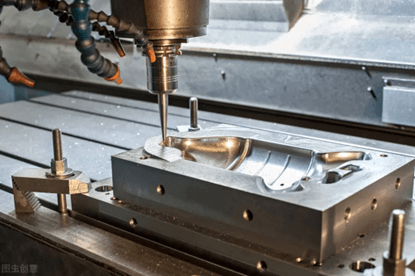
In the present, we are at the edge of amazing technological advancements fueled by automation and artificial intelligence (AI). What does this mean for companies and operators? We’ll look at how these advances will alter the course of CNC manufacturing and what that will mean for cost within a constantly changing market.
Current State of CNC Machining
CNC-machined parts have advanced significantly over the past several years. Nowadays, it is at the forefront of high-end manufacturing. Modern computer technology allows machines to produce intricate designs with amazing precision.
Modern CNC machines are fitted with cutting-edge software, which improves performance and functionality. It allows companies to create complex components in a short time, which reduces the time to turn around and the cost associated with manufacturing. This digital workflow can begin before a part reaches the shop floor: an online CNC machining service lets customers upload CAD files and receive pricing and manufacturability feedback before placing an order.
Multi-axis machine tools are a different revolution. It allows for more adaptable manufacturing techniques, which allows operators to make items using a variety of angles without repositioning the materials.
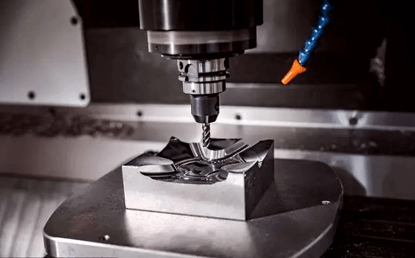
Although traditional techniques still have importance, numerous industries are shifting to CNC manufacturing due to its capability to speed up the process. This means that the quality control process becomes easier, which means tighter tolerances as well as increased product reliability in the face of the increasing demand in various fields, including automotive engineering and aerospace.
Automation in CNC Machining
Automation is changing CNC manufacturing at a fast rate. CNC machines can perform tasks without human intervention. This change not only increases productivity but also improves accuracy.
Automated systems minimize the risk of making mistakes, which typically result from manual procedures. They simplify processes and allow producers to improve their production without losing quality.
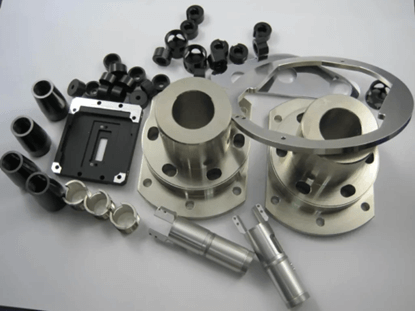
The use of advanced robotics is becoming more common on shop floors. They handle everything from the loading of materials to inspection. They free skilled employees for more challenging tasks.
Furthermore, the automated CNC machines allow for flexibility during production runs. They are able to easily change between various projects and adapt rapidly to changing market requirements.
As the field of automation grows, so does the approach to implementing it. Companies must keep up by investing in technologies that optimize workflows and decrease machine costs through CNC while enhancing the quality of output and consistency.
Advancements in AI for CNC Machining
Artificial Intelligence is changing CNC machining in a variety of ways. Through the integration of machine learning technology, CNC manufacturers will improve efficiency and precision in ways that have never been possible before.
AI-driven systems analyse huge amounts of information from operations in the past. They spot patterns that human operators might miss. This results in better decision-making throughout the production process.
The concept of predictive maintenance is a key improvement. AI is able to predict potential machine malfunctions through monitoring performance metrics at a real-time rate. This can significantly cut down time and decrease the overall CNC machine cost.
Moreover, the adaptable machining strategies can be employed due to the automation, which is facilitated by AI. The machines have the ability to change their settings immediately based on the properties of the material or the environment to ensure the highest results with the least losses.
As these technologies develop even further, they will introduce additional changes in enhancing speed in the customization and efficiency across the business. The use of AI will not only increase efficiency but also set new norms for the quality of manufacturing in many different directions.
Impact on the Manufacturing Industry
CNC cutting and machining have a major impact on the manufacturing industry. It has changed the mode of production and enhanced productivity due to increased technology.
Companies have become more precise and minimized errors by incorporating automation in CNC machines. This has the effect of producing better items that are within the strictest industry standards.
Additionally, cost-efficiency can be an important benefit. The companies can cut down on production while increasing efficiency and thereby reducing CNC cost of machining.
The development of AI is also changing the situation. Smart algorithms can streamline the routes of the tools and predict the need to service the machines to make sure they work without failure.
This transformation is not only applied to large businesses, but small businesses also have access to the newest technology that was not available before. The competitiveness can now be achieved in the world arena without necessarily making huge investments in traditional manufacturing practices.
As soon as these methods are popularized and accepted, the boundaries of what can be done in terms of production capacity in various industries will be reshaped.
Job Market and Training for Future CNC Operators
CNC manufacturing is becoming automated and AI-enhanced; the CNC machining market is altered. The skills needed for future CNC operators will be an assortment of skills in technical fields and the capacity to fit the constantly evolving environment.
Training programmes are increasing to include new technology. The classes have also involved automating systems and programming, along with the conventional ways of machining. It is one of the means to make sure that the students are provided with the required skills to be used with the state-of-the-art machinery.
Practical experience is important. Training and internships are used to bridge the knowledge and application gaps. Employers are also interested in those who have an insight into the machines operated by human beings and the automated ones.
The problem-solving soft skills and critical thinking are also becoming more important. They could present operators with challenging problems due to the results of machine learning algorithms or unforeseen production challenges.
The institutions of education must be in a position to respond to the requirements of the industry, creating courses that mirror the changes in the workforce and technology.
Predictions for the Future of CNC Machining
The future of CNC machining will rapidly evolve in the near future. The use of robotics and advanced technology can facilitate processes in production, which will also save time in the form of reduced downtime, besides enhancing accurate results.
New technologies, including Generative design, can change the process of parts production. The algorithms will allow the designers to enhance the designs in terms of the weight, strength, and efficiency of the material.
Also, cloud computing is anticipated to play an important role in facilitating real-time sharing of information between gadgets. The links will be utilized in coming up with anticipated maintenance strategies that minimise the cost of a disruption.
The sustainability programmes may also have an influence on how we will transact business at a later date. Eco-friendly developed materials and effective machines may change the common practice in industries.
With the increased development and sophistication of AI, machines will have the capability of learning through their operations without the involvement of a human being. This may not only enhance productivity, but it may also lead to all-new paradigms of manufacturing.
Conclusion
The CNC machineries have improved a lot since it was initially introduced. With the rapid technological improvements, it can be seen that AI and automation will significantly contribute to the future. The technological developments will lead to enhanced productivity, reduced cost of CNC machines, and improved quality of goods produced.
The ability to change and adjust to the changes is important in the future to the business professionals. Development of new skills may also introduce a possibility of change in the job market, and this will offer potential to expand. Education programs, which are based on the newest CNC techniques, will be crucial to equip the future workforce.
It is expected that the future will be the one where speed and precision cannot be compared. The introduction of these technologies may change the concept of manufacturing as we know it today. The future mof anufacturing is not merely about machines, but it concerns creating even smarter methods of making progress in various industries.
The development of CNC machining is still going in the right direction, defining the sectors of every country as well as opening the way to a smart and robotized future.
Popular on OTW Right Now!
-
 Network Capacity Planning Tools vs. Broadband Traffic Monitoring Tools: What’s the Difference?
-
 SMS Marketing Compliance for 2026: TCPA, Consent, and Quiet Hours Explained for Online Brands
-
 Make It Pop: Boost Colors and Lighting for Scroll-Stopping Visuals
-
 When Is the Best Time To Buy a Used Truck and Save Money?




About The Author

Gagan Bhangu
Founder of otechworld.com and managing editor. He is a tech geek, web-developer, and blogger. He holds a master's degree in computer applications and making money online since 2015.