
Plantation Shutters: A Practical Guide for Homeowners
Changing the window coverings can make a room feel completely different. Sometimes the goal is simply to get better control over bright sunlight. In another room, privacy may matter more. You might also want something that does not need constant washing, replacing, or adjusting.
Plantation shutters are one option that can cover several of those needs at the same time. They have wide adjustable slats, a solid appearance, and a design that works with many types of homes. Unlike curtains, they are fitted to the window and tend to look more like a permanent part of the room.
Before choosing a set, though, it is worth looking at the practical side of the decision. The room, window size, moisture level, preferred finish, and maintenance requirements can all affect which shutters make sense.
Homeowners can compare products from AAA Blind & Shutter Factory and other suppliers while keeping these factors in mind.
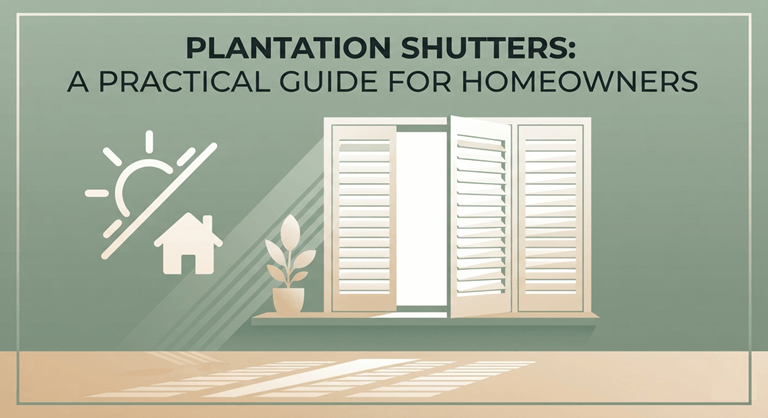
What Are Plantation Shutters?
Plantation shutters are window coverings made with horizontal louvers that can be tilted open or closed. The louvers are wider than those found on many traditional blinds, which gives shutters their familiar appearance.
The main attraction is the amount of control they provide.
Open the louvers and more daylight enters the room. Tilt them partly closed, and you can reduce glare while keeping some natural light. Close them fully when you want more privacy.
Because the shutters are fitted around the window, they also have a more built-in appearance than many removable window treatments. That can be especially appealing when you want the windows to look finished without adding layers of fabric.
Picking a Material for Your Home
There is no single material that works perfectly for every room. Think about where the shutters will be installed before making the choice.
Wood Shutters
Real wood has a look that is difficult to duplicate. You can see the natural grain, and the finish can be painted or stained to match other parts of the room.
Wood can work particularly well with traditional interiors, natural flooring, wooden furniture, and classic trim.
The main consideration is moisture. If you are thinking about wood shutters for a bathroom or another damp area, check that the product is designed for those conditions.
Composite Shutters
Composite shutters are often chosen by homeowners who like the appearance of wood but want a material that can cope better with everyday moisture and wear.
This makes them worth considering for rooms such as kitchens, bathrooms, and laundry areas.
They are also relatively easy to look after. If a window is likely to collect cooking residue, condensation, or everyday grime, having a surface that is simple to clean can be a genuine advantage.
Vinyl Shutters
Vinyl is another practical choice, particularly when keeping costs and maintenance under control is important.
It handles moisture well and does not require the same type of finishing care associated with natural wood. The appearance is different from genuine timber, but that may not matter if durability and easy cleaning are the priorities.
How Shutters Change the Amount of Light in a Room
Sunlight is great until it lands directly on your television screen or makes it difficult to see a laptop display.
Plantation shutters give you a middle ground between having the window completely uncovered and blocking it altogether.
You can tilt the louvers to reduce direct sunlight while still allowing daylight into the room. As the position of the sun changes, the angle can be changed too.
That can be useful in living rooms, offices, bedrooms, and other spaces where lighting conditions change considerably throughout the day.
Privacy Without Completely Blocking Daylight
Privacy is another reason homeowners consider shutters.
A street-facing bedroom, bathroom, or living-room window may need covering during certain parts of the day. With adjustable louvers, you can limit the view into the room without necessarily making the space completely dark.
This can be particularly helpful for windows that face sidewalks, driveways, neighboring homes, or other areas where people regularly pass.
Backyard-facing windows may have very different requirements. There is no need to treat every window in the house exactly the same way.
Can Plantation Shutters Make a Room More Comfortable?
Windows have an effect on indoor temperature because glass can allow heat to enter or escape.
A shutter installed over the window creates another layer between the room and the glass. Depending on the window, shutter construction, installation, and other conditions, that additional layer may help with heat transfer.
It is important to keep expectations sensible. Shutters are not a replacement for good windows, insulation, or other energy-saving improvements.
Still, if a particular room becomes noticeably warmer in direct afternoon sunlight or feels colder near the windows in winter, window coverings are one of the factors worth considering.
Choosing the Right Louver Size
The width of the louvers can change the overall appearance of the shutters.
Wider louvers generally produce a cleaner, less busy look. They can also give you a wider view when they are opened.
Smaller louvers have a different character and may suit traditional interiors or smaller windows.
There is no rule saying that one size is right for every house. Look at the size of the window, the furniture around it, and the style you want before making a decision.
If possible, look at physical samples rather than relying entirely on photographs.
Choosing a Finish That Will Still Look Good Later
White shutters are popular because they are easy to coordinate with most interiors. If you repaint the room or replace the furniture later, a neutral finish is unlikely to create a problem.
Cream, off-white, and similar shades offer the same sort of flexibility.
For a warmer appearance, stained wood can bring out the natural grain. This can work particularly well when the room already contains hardwood floors, timber furniture, wooden doors, or matching trim.
Always check samples against the actual room. Lighting inside a showroom can make a finish appear noticeably different from how it looks in your home.
The Frame Is Part of the Design
It is easy to concentrate on the louvers and forget about the frame.
The frame surrounds the shutter and can affect whether the finished installation looks simple, decorative, or more like part of the original window.
Existing trim should be considered before choosing a frame. You want the new installation to work with the molding already around the window rather than looking as though two unrelated designs have been placed together.
This is also where professional measuring can be useful, particularly in older properties where window openings may not be perfectly square.
Which Rooms Are Best Suited to Shutters?
You can install plantation shutters in many areas of a home, but some rooms tend to benefit more than others.
Living Rooms
Large living-room windows can receive strong sunlight for several hours a day. Shutters make it possible to reduce glare without turning the room into a dark space.
They can also give large windows a more substantial finished appearance.
Bedrooms
Bedrooms often need privacy and good light control.
Closing the louvers can help create a darker room at bedtime. During the day, opening them allows daylight back in without having to remove or raise the entire window covering.
Kitchens
Kitchen windows can be exposed to moisture, steam, food splashes, and grease.
For these locations, a material that is easy to wipe down may be more useful than a finish chosen purely for appearance. Composite shutters are one option worth discussing.
Bathrooms
Bathroom window treatments need to deal with two obvious concerns: moisture and privacy.
A suitable moisture-resistant material can make the shutters easier to live with, particularly around showers and bathtubs.
Cleaning and Looking After Your Shutters
One advantage of shutters is that routine cleaning is fairly straightforward.
Dust can collect on the horizontal louvers, so running a soft cloth or suitable duster across them from time to time keeps the surface looking fresh.
When more thorough cleaning is needed, follow the manufacturer’s instructions. A slightly damp cloth may be enough for many surfaces, but different finishes can have different requirements.
Avoid assuming that stronger cleaning products are better. Abrasive materials or harsh chemicals can damage certain painted or stained surfaces.
It is also worth checking the hinges and moving parts occasionally. If a louver or panel starts becoming difficult to operate, dealing with the problem early is preferable to forcing it.
Do Not Choose Shutters Based Only on Appearance
A photograph can show you what a shutter looks like. It cannot tell you whether that particular shutter is appropriate for your bathroom, whether the frame will fit your window, or whether the material will suit the way you use the room.
Ask yourself a few basic questions before ordering.
Does the window receive direct afternoon sun? Is privacy important? Is there regular condensation? Do you want a natural wood finish? Will the window need frequent cleaning?
The answers can narrow down the choices considerably.
Measure Carefully Before Ordering
An attractive shutter will still look wrong if it does not fit the window properly.
Measurements need to account for the width and height of the opening, available depth, and the way the window is constructed. Older houses can present additional challenges because openings may have shifted or may not be perfectly square.
For that reason, custom window treatments should not be ordered using rough measurements.
If you are uncertain about measuring the windows yourself, professional measurement is worth considering. A small mistake made at this stage can become an expensive problem once the shutters have been manufactured.
Why Professional Help Can Be Useful
There are several choices involved in buying plantation shutters. You have to think about the material, finish, louver size, frame, mounting method, and the specific conditions of each room.
That can become confusing when several windows have different requirements.
A professional can look at the actual openings and help narrow the choices based on how the rooms are used.
Homeowners considering AAA Blind & Shutter Factory can discuss the available options with the company before deciding what to install. This can be especially helpful when the project involves several rooms rather than a single window.
Are Plantation Shutters a Good Choice?
For many homeowners, plantation shutters offer a useful combination of appearance and everyday practicality.
They can make it easier to manage sunlight, improve privacy, and give windows a more permanent finished look. The right material can also make them suitable for rooms where moisture or frequent cleaning is a concern.
But choosing the most expensive option is not necessarily the best approach.
A wood shutter may be perfect for a formal living room, while a moisture-resistant composite product could make more sense in a bathroom. Vinyl may be the better answer when affordability and simple maintenance are the main concerns.
Take each room on its own terms. Look at the windows, consider how much light and privacy you need, think about the amount of maintenance you are comfortable with, and then compare the available products.
That approach is much more likely to result in shutters that look right on the day they are installed and continue to make sense years later.
Popular on OTW Right Now!
-
 The Right Help Can Turn Uncertainty Into a Strong Wrongful Death Claim
-
 Top SEO Company in Dubai Picks Are Being Made Around 2026’s Newest Ranking Signals
-
 Mini Projector vs TV Projector: Choosing the Right Home Entertainment Device
-
 From Ideas to Income: Cool Things to 3D Print and Where to Actually Sell Them in 2026



About The Author

Christie
I am a content writer with a passion for creating informative, engaging, and easy-to-understand content. I enjoy researching a wide range of topics and sharing insights that help readers learn, make informed decisions, and stay updated on subjects that matter to them.