
How to Create a Smart Heating System with Radiators
British winters set a high demand for a heating strategy that can balance consistent warmth with the reality of rising energy prices. While many properties are still reliant on having a single central thermostat, this outdated approach can often lead to empty hallways being toasted whilst busy offices or living rooms remain chilly.
A smart radiator system can help transform your existing system. It allows you to better manage the heat so you only pay for what you need.
Zoning and Occupancy-Based Control
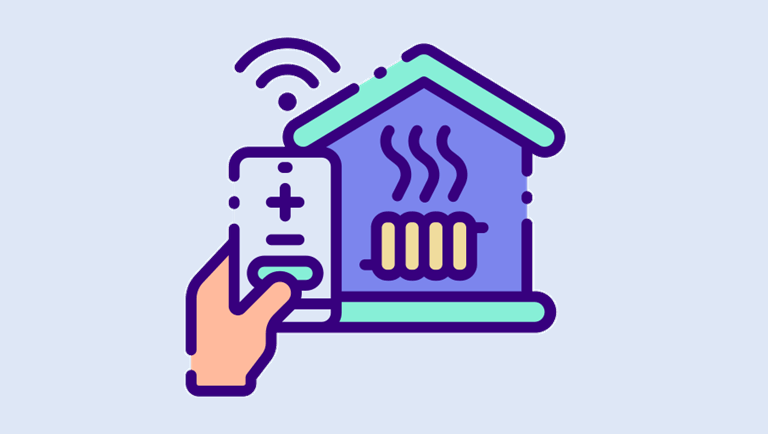
All your heating and cooling systems tend to heat or cool your entire building. But with smart thermostatic radiator valves, you can zone your property. Then you can control each zone independently via a digital communications system.
For even greater savings, you might want to consider installing Passive Infrared sensors in areas with frequent occupant changes. For example, meeting rooms and bedrooms. The sensors pick up when someone has been in the room, and then will indicate that the temperature should be dropped to an eco mode.
Remote Management and Fleet Scheduling
If you have multiple sites or properties, cloud-based dashboards can be a timesaver. You won’t have to travel to multiple locations. This lets you see all of the radiators in your properties on one screen, and identify problems early so they don’t develop into bigger issues. They can also be used to schedule, so you can set the same temperature for multiple radiators.
For bank holidays and university holidays, we recommend using the override feature. This will prevent wasting energy by heating an empty house.
Integrating with Low-Temperature Heat Sources
The UK is abandoning gas boilers, so you can expect to have radiators operating at lower temperatures, including air-source heat pumps.
Modern systems help you get the flow right to output this lower heat. You should also check that our system has weather compensation. This adjusts the radiator output according to the outside temperature.
This proactive adjustment maintains a steady internal climate and prevents the heat pump from overworking, which preserves the lifespan of your central heating system.
Efficiency, Monitoring, and Long-Term Comfort
And the true power of a smart system comes from historical data.
Many of these smart heating apps provide insights with heat maps that indicate where energy is used most. You can then identify problems such as draughts or insulation problems.
It gets to know how heat escapes from your building. It then determines the best time to begin heating to achieve the desired temperature just in time.
That takes the guesswork out of setting timers and means you’re comfortable and efficient.
Popular on OTW Right Now!



About The Author

Gagan Bhangu
Founder of otechworld.com and managing editor. He is a tech geek, web-developer, and blogger. He holds a master's degree in computer applications and making money online since 2015.