
How Technology Is Reshaping the Online Gaming Experience
Technology has transformed almost every form of digital entertainment, and online gaming is no exception. Faster internet connections, smartphones, secure payment systems, and increasingly sophisticated software have changed both how platforms operate and what users expect from them.
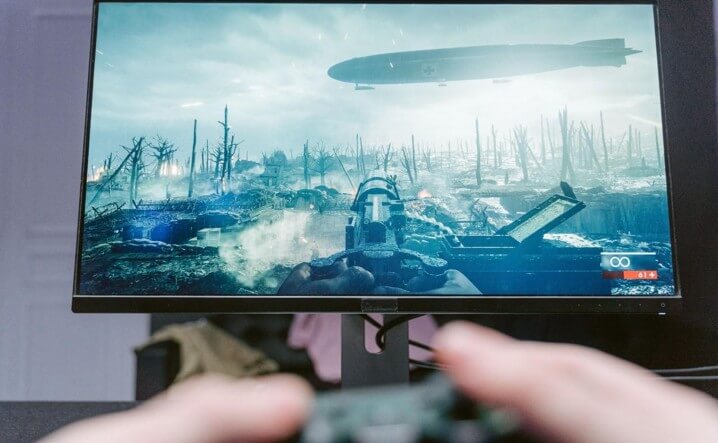
Today, providing games or betting options is only one part of the experience. Platforms must also provide speed, ease of use, security, and easy access to various devices.
Shift Toward Mobile-First Gaming
The shift to mobile-first design has been one of the largest changes. Today, smartphones are the main source of entertainment, and game providers have to rethink the usability of interfaces built for desktop.
Responsive layouts and menus, quick loading, and touch-friendly controls have become a must. Some services are built as dedicated apps, while others use mobile-friendly websites that let users access many features directly in a web browser.
This shift has also made performance more important. If your app is slow or navigation is cumbersome, your users will not be able to endure it.
More Information Before Choosing a Platform
How people search for digital services has also evolved with technology. Technological changes have also changed how people look for digital services. Customers can find out more about the platforms, features, payment options, and more before signing up.
Independent websites and specialist resources play a role in this process by providing additional information about individual operators. For example, users interested in understanding the features and characteristics of this online gaming platform can consult a Lucky Rebel review before deciding whether the service matches what they are looking for.
This ease of researching services has spurred platforms to offer services in addition to their product, with quality of user experience also being a point of competition.
Another space that has come a long way is payment technology. While debit and credit cards are still popular, digital wallets and other electronic payment options have expanded the choices available to consumers. Convenience vs security is the challenge for platforms! All of these can help secure accounts and transactions: encryption, Fraud Detection, Identity Verification, and Multi-Factor Authentication.
Personalization and Artificial Intelligence
AI is now impacting digital entertainment. As a result, a recommender system can look at a user’s past behaviors or preferences and suggest relevant content.
This is already widely used in a variety of streaming and e-commerce services, and it can be applied similarly in gaming. Rather than having all users see the same information and content, platforms can categorize it based on each user’s preferences. AI can also support customer service through automated support and detect unusual activity or security issues.
The Internet age of gaming also depends heavily on the flow of information in real time. Live data feeds can provide a real-time update of scores, statistics, events, and more in seconds.
This information needs to be delivered smoothly, which means that the infrastructure needs to be reliable and able to handle a considerable amount of data and still provide a responsive interface. The longer it takes, the more noticeable it will be to users as they get used to getting information instantly elsewhere on the web.
Popular on OTW Right Now!




About The Author

Gagan Bhangu
Founder of otechworld.com and managing editor. He is a tech geek, web-developer, and blogger. He holds a master's degree in computer applications and making money online since 2015.