
How Technology Is Changing the Modern Workplace
Technology has transformed almost every aspect of the modern workplace. From the way employees communicate to how businesses manage productivity, digital tools are reshaping expectations across industries. Companies that embrace innovation are finding new ways to improve efficiency, support employees, and stay competitive in fast-moving markets.
Meanwhile, these changes pose problems. Companies need to strike a balance between flexibility, security, employee welfare,e and legal obligations, all while embracing new technology. With the changing face of workplaces, it’s more important than ever to be knowledgeable about the effect of technology.
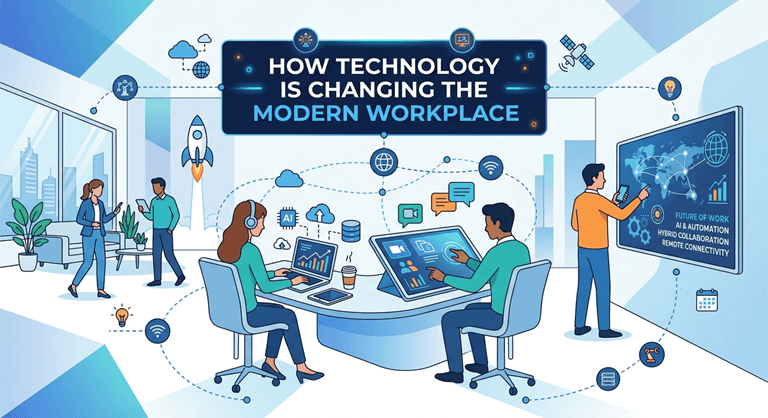
Remote and Hybrid Working Have Become the Norm
One of the biggest workplace changes driven by technology is the rise of remote and hybrid working. Video conferencing platforms, cloud-based systems, and collaborative software allow employees to work from almost anywhere while staying connected with colleagues and clients.
This flexibility has helped many companies boost their work-life balance and expand their talent pool. Employers are no longer restricted by job commute, and employees have greater flexibility in their schedules.
However, hybrid working also requires clear policies and communication. Employers need to ensure staff understand expectations around working hours, performance, and data protection. Many businesses now seek advice from Sherborne solicitors for employment law to make sure workplace policies remain compliant as working arrangements continue to evolve.
Communication Is Faster Than Ever
Communication in the workplace has vastly improved with technology. Teams can work in real-time with instant messaging apps, project management platforms, and shared digital workspaces, even when the employees are not in the same location.
This can boost productivity and minimize delays, especially for companies with extensive teams or simultaneously working on multiple projects. Staff can easily update, ask questions,s and resolve issues without having to wait for meetings or lengthy e-chains of command.
At the same time, constant communication can create pressure. Employees may feel expected to always be available, making it harder to separate work from personal time. Businesses are increasingly recognizing the importance of setting healthy boundaries to prevent burnout and maintain morale.
Automation Is Changing Daily Tasks
Automation is increasingly a significant aspect of contemporary business activities. Many repetitive administrative tasks can now be performed with software, artificial intelligence,ce or automated systems. This isn’t just scheduling or invoicing; it’s also about customer service responses, data management, and so much more.
This can streamline manual tasks, freeing up time for staff to concentrate on more rewarding and creative tasks, strategic decision-making, or problem-solving. Another benefit of automation is the elimination of human errors and consistency between operations.
Some workers are afraid that technology will take over their work, but automation is more about the evolution of roles. As companies move to more sophisticated systems, they might also have to learn new skills and take on other roles.
Employee Monitoring and Data Use Are Increasing
Technology can also help companies monitor their employees’ productivity and performance at work more closely than ever before. Employers can use digital systems to track computer use, communication trends, and attendance and workflow information.
This data can be useful to companies to streamline their processes and determine where they need assistance. But there’s a debate brewing over privacy and trust on the part of employees. Monitoring practices should be open and balanced, and must not cause harm to workplace relationships.
Companies must ensure that their data collection, storage, and usage of employee data are properly managed. Clear policies within the workplace can help to ensure employees are aware of what information is being tracked and why.
Learning and Development Have Become More Accessible
Professional development is now much more attainable with technology. Employees can enhance their skills through online learning platforms, virtual workshops, and digital learning resources, avoiding the need for physical attendance at training sessions.
This is great for employers and employees. Training can be provided more efficiently for businesses, and employees can adapt to their own learning speed and continue to train throughout their careers.
In a continually changing world, a commitment to lifelong learning is a necessity. Technology is assisting businesses in building more flexible workforces that can adjust to the emerging trends and changing demands.
The Workplace Will Continue to Evolve
Technology is not merely assisting in the workplace – it is transforming it. Companies are reimagining communications, team management, and the skills required to thrive in today’s world.
Digital transformation opens up new opportunities with new responsibilities. To foster workplaces that are both productive and people-friendly, employers need to strike a balance between innovation and fairness, well-being, and legal compliance.
Those who will thrive will be those who will embrace change and continue to put employee needs at the forefront of any decision.
Popular on OTW Right Now!



About The Author

Gagan Bhangu
Founder of otechworld.com and managing editor. He is a tech geek, web-developer, and blogger. He holds a master's degree in computer applications and making money online since 2015.