
How Technology Enhances Senior Safety at Home and Beyond
More than 36 million Americans over 65 are choosing to stay in their own homes.
They are evading assisted living homes. Technology is rendering that to be so, in a manner that we could not have imagined ten years back.
Options are now much wider than those medical alert buttons that were cumbersome back in the 90s. Devices in the modern world have become part of everyday life. They are guarded without being conspicuous or humiliating.
Smart Home Technology That Prevents Common Hazards
Danger zones can now basically be guarded by your home. Such systems do not require a lot of care. They simply operate in the background as people carry on doing their regular patterns. Pressure relief mattresses can also support senior safety and comfort by helping reduce prolonged pressure while resting. They simply operate in the background as people carry on doing their regular patterns.
Motion-Activated Lighting and Temperature Control
Imagine waking up at 2 AM to go to the bathroom. The room lights automatically brighten before you can turn on the light. This is done through motion sensors. Night falls result in approximately 60 percent of hip fractures among the elderly. Light cuts are better and put quite a risk.
Temperature control does more than keep energy bills down. Smart thermostats catch dangerous drops before they become a problem. Some seniors don’t notice when their house gets too cold. The thermostat sends an alert to family members instead. One notification can prevent hypothermia.
Water Detection and Entry Monitoring
A drip leak under the kitchen sink is rudimentary. Wet floors are deceitful. Miniature water sensors sense moisture in seconds. Your phone bursts in response. You may call before Grandma passes and trips.
The door sensors are not what you think they are. They are not centered on imprisoning individuals. They just track patterns. When the front door is opened at 3 AM on a Tuesday, that is abnormal. When the family members are not being oppressive, they can check in.
Personal Emergency Response Systems and Wearable Devices
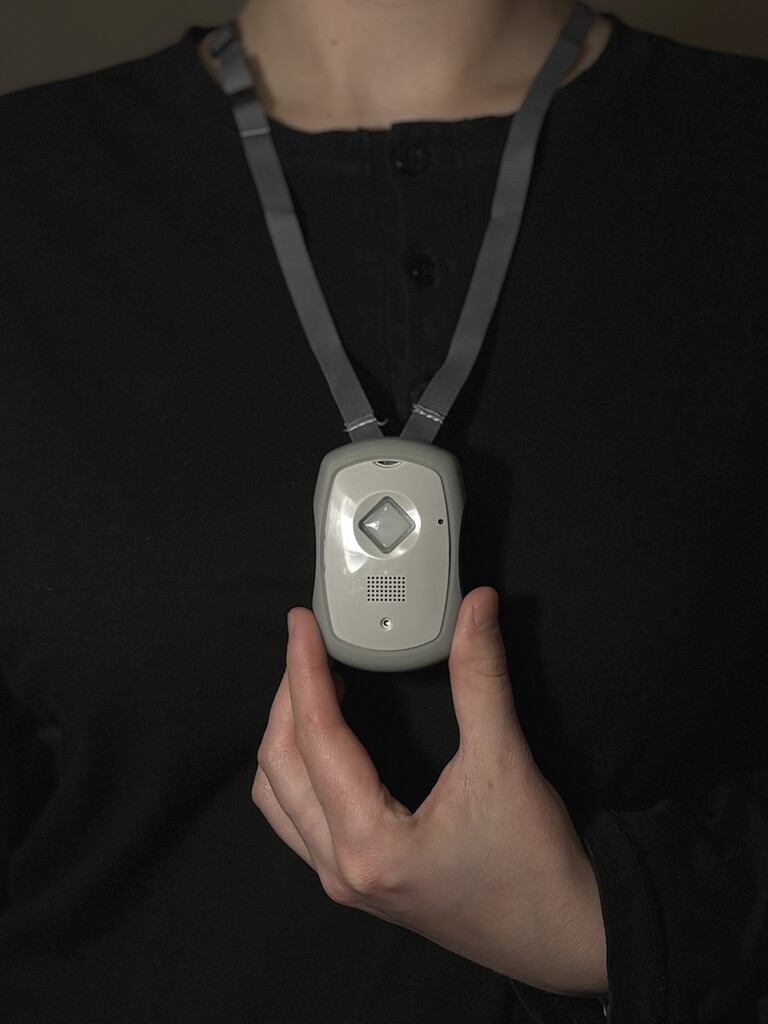
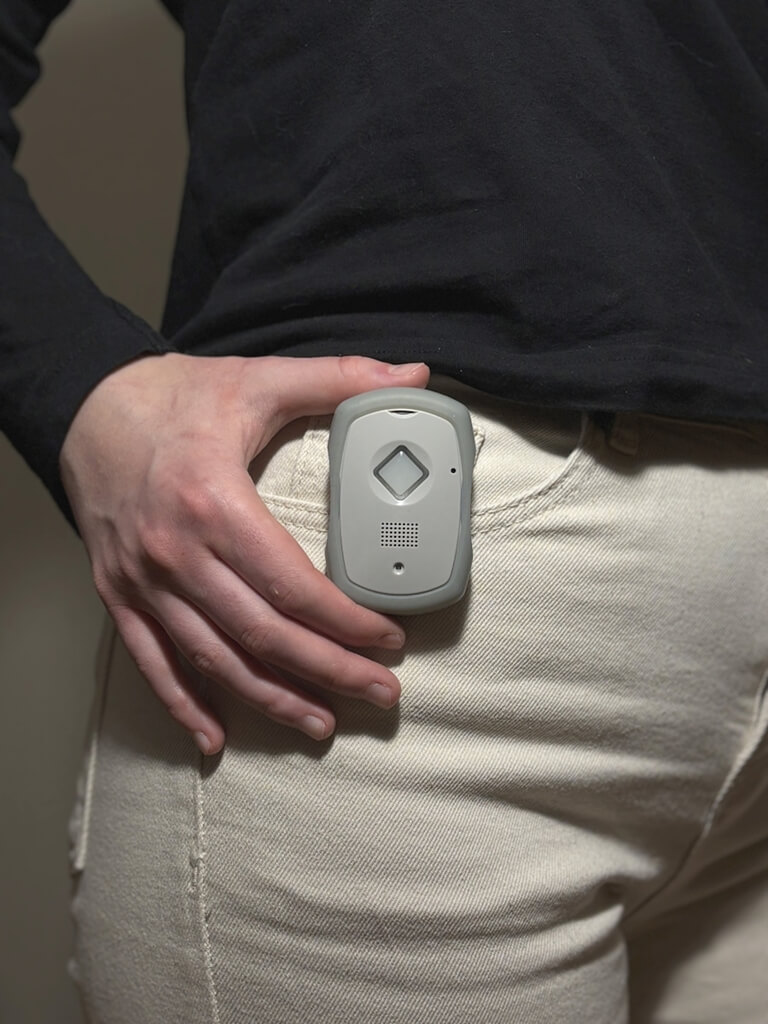
Medical alert systems have become very advanced. They are no longer used to call for help. They are modern, and the old pendants were unable to do it before. Life Assure is one company that has developed a system specifically targeting active seniors who will not live as seniors. Their machines do not need to be home to be effective in the grocery store.
Today’s wearable safety devices typically pack in these features:
- Automatic fall detection senses when someone goes down hard. The device waits 30 seconds for a response. No answer? It calls emergency services and shares the exact location.
- GPS that works everywhere means help finds you, whether you’re in the basement or at the park. No guessing about location.
- Direct two-way talk connects straight to trained operators. You don’t need to crawl to a phone or yell for neighbors.
- Week-long battery gives you five to seven days between charges. Forgetting one night won’t leave you unprotected.
- Shower-safe builds mean wearing it during the riskiest activity. Most falls happen in bathrooms.
Other models also monitor heart rhythms. Irregular patterns cause warnings before one feels ill. That head start is the one that can prevent even hospitalization.
GPS Technology for Safe Community Navigation
Location tracking sounds invasive until you need it. Then it becomes incredibly valuable. Seniors get to keep their independence. Families get to breathe easier. Both sides win.
Geofencing provides a cordon of safe areas. Perhaps it is the neighborhood, the regular coffee shop, and the library. It is okay until somebody oversteps that boundary. After that, the caregivers are informed.
This technology really shines for memory-related conditions. The Alzheimer’s Association found that 6 out of 10 people with dementia wander. That’s not a small number. Having a GPS device means finding them in minutes instead of hours. Those minutes can save lives.
The surveillance devices have been used to monitor the location of a person throughout the day. You may notice that they have quit attending their fitness session. Or they are going to the doctor much more frequently. These changes in patterns are usually indicative of health problems even before anybody puts a foot in the front door.
Communication Tools and Medication Management
Due to the pandemic, video calls changed everything. They stayed useful after. Such apps as FaceTime allow families to see what is actually happening. You can tell a limp, see disorder mounting up, or even tell that someone is skinnier than they were two months ago.
Squeezing hands are stiff, and voice assistants such as Alexa provide an easier living. No buttons to push. No tiny screens to read. Just talk and get answers. These systems can listen to music, read the news, and make calls. They handle reminders, too.
Out of the 100,000 seniors, accidents caused by medication mix-ups take them to the emergency rooms annually. The problem is directly addressed by smart pill dispensers:
- They blast or light up when it is med time.
- Other compartments remain locked, and only the right compartment is opened.
- Individuals who miss a dose forward a text to the identified family members.
- This is a record that doctors could consider at a later date.
- Complex schedules are simplified by simplifying them into specific reminders.
The National Institute on Aging keeps pushing for better medication safety. These dispensers deliver exactly that. They’re especially helpful when someone takes five or more prescriptions daily.
Choosing Technology That Fits Your Needs
The process of choosing the appropriate setup is not quick. All families have various dilemmas. Maybe falls are the big worry. Or wandering. Or forgetting pills. Start there.
Get the opinion of the individual who will operate these gadgets. No one desires technology to be imposed on him or her. It is massive to have a say in the decision. Individuals literally carry gadgets that they have a hand.
Cost obviously matters. Prices (monthly monitoring): between 20 and 70, based on the features. However, low-priced systems that fail to perform are cheap. Look for trial periods. Try things before making a long-term commitment.
There are platforms where several devices are interconnected using a single application. That is worse than having to juggle five systems. Fewer passwords to remember. Fewer apps to check. All appears under a single roof.
Technology must not complicate life but instead make life easier. It is able to protect without making one feel like he/she is being surveilled. It is intended to ensure that independence continues to exist, but with an insurance net attached at the bottom. It takes time before one can strike that balance. However, the elderly should be granted freedom and security. That is precisely the combination that is offered by the right technology.
Popular on OTW Right Now!

About The Author

Gagan Bhangu
Founder of otechworld.com and managing editor. He is a tech geek, web-developer, and blogger. He holds a master's degree in computer applications and making money online since 2015.