
How RPM Software Is Transforming Remote Patient Care in Modern Healthcare
What you’ve observed over the past few years, whether you’ve been in a clinic or spoken to a doctor recently, is that the entire experience of obtaining health care seems like something that’s changing right below your feet, and, if you think about it, it is.
Remote Patient Monitoring (RPM) software is the silent force at the heart of this monumental shift, reshaping the landscape of healthcare delivery as physicians shift their focus to everyday life at home. The world of fifteen minutes once a few months is now gone, because today, the world of smart technology provides continuous, silent,t and profoundly effective supervision, keeping people safer without infringing on their privacy.
What Is RPM Software?
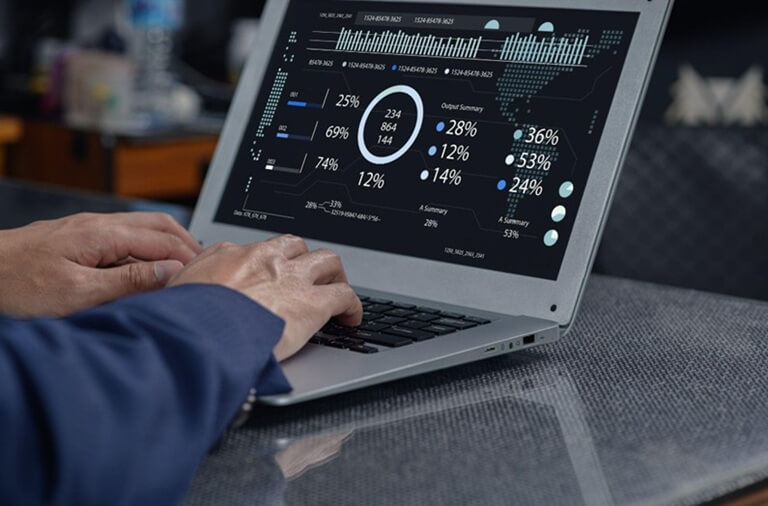
To put it as simply as possible, RPM software is the digital brain that bridges the gap between a patient sitting on their living room couch and a clinician sitting in an office miles away. Think of it as a highly secure, incredibly smart translation tool that takes numbers from medical gadgets, sorts through them so they actually make sense, and then hands them over to doctors in a neat package.
How RPM Software Works
When you take it step-by-step, it all works very seamlessly in real life, beginning with the moment a patient uses a medical device at home. When that device takes a reading, it sends that raw data to the cloud, usually via Bluetooth, which is then hooked up to a smartphone, one app that’s embedded in the RPM software.
The software instantly compares the numbers to the patient’s usual baseline and highlights anything that looks out of whack; it presents organized information on a clean dashboard that clinicians can see at a glance during a busy shift.
Devices Connected to RPM Software
The sheer variety of everyday tools that can now feed information directly into these platforms is expanding constantly, making the system incredibly versatile for all kinds of medical needs. We are talking about digital blood pressure cuffs that slip onto an arm, continuous glucose monitors that sit quietly on the skin of diabetic patients, smart weight scales that track sudden fluid retention for heart failure patients, and pulse oximeters that clip onto a finger to read oxygen levels.
Why Healthcare Providers Need RPM Software
If you look at the stress that modern medical facilities are under, it becomes obvious very quickly that doctors and nurses are stretched incredibly thin and desperately need better ways to keep tabs on their patients.
Improved Patient Monitoring
If you have a program running 24 hours a day, patient monitoring is no longer a series of snapshots; it is a complete, te detailed story. Rather than having to be contacted by a patient who is feeling very unwell, doctors can monitor trends that develop over days or weeks, when a patient’s blood pressure rises, or their lung function falls by a tiny amount.
Reduced Hospital Readmissions
The dreaded readmission loop is one of the hospital’s biggest headaches; patients are let go from a hospital after a particularly strong rehabilitation program, have difficulty managing their recovery at home, and soon return to the hospital’s emergency room a week later.
Key Features of Modern RPM Software
Not all software platforms are built the same way, and the modern versions saving lives today rely on a few crucial, heavy-hitting pillars to do their job properly. It is not just about moving data from point A to point B; it is about making sure that data is incredibly safe, easy to access, and deeply informative for the medical professionals relying on it.
HIPAA Compliance
Medical information is highly sensitive, and any software that processes it must be more secure than a bank vault to meet federal privacy regulations, most importantly. New RPM platforms are designed from the ground up to be HIPAA-compliant and rely on stringent security protocols, including heavy encryption that keeps patient names, histories, and vital signs out of the reach of prying eyes. This is such robust security that no one can see or access the data except the people for whom it is meant to save lives.
EHR Integration
No doctor wants to log into ten different computer programs just to figure out what is going on with a single patient, which is why seamless Integration with Electronic Health Records (EHR) is an absolute must-have feature. The best RPM software blends quietly into the existing systems that clinics already use every day, automatically dumping the remote health data right into the patient’s main medical chart.
Real-Time Health Data Tracking
Health does not stop happening just because a clinic is closed for the weekend, which is why real-time data tracking is such a massive feature of these modern platforms. The software records and displays incoming vitals almost instantly, and generates an active, real-time document of a patient’s physical condition that’s not a “last week’s report” on the status of the body. This real-time updates pipeline enables unprecedented responsiveness, shifting medical care from a reactive scramble to a proactive, beautifully coordinated effort.
AI-Based Alerts and Analytics
Because clinics are flooded with thousands of incoming data points every day, nurses cannot sit around staring at screens waiting for a bad number to pop up, and that is where artificial intelligence steps in to save the day.
How RPM Software Improves Healthcare Operations
The clinical advantages for patients are typically the ones referred to the most, but the operational benefits behind the scenes in clinics and hospitals are just as gigantic. Once a medical practice is equipped with a smart remote system, it completely transforms the way that the practice operates from a day-to-day standpoint, eliminating bottlenecks and making everyone on the payroll very happy.
Better Care Coordination
When a patient has a complex medical situation involving a primary doctor, a couple of specialists, and a home health nurse, communication can break down fast, leaving people confused about the actual treatment plan. RPM software acts as a single source of truth where every member of the care team can log in and view the exact same real-time vitals and historical trends.
Higher Patient Engagement
When patients use these digital health tools, it’s human nature to pay closer attention to things when they can actually see the results of their actions. When patients view their own numbers on an app, they are strong partners in their health journey instead of simply “doing what they’re told” as passive bystanders.
Improved Workflow Efficiency
Traditional healthcare is often incredibly inefficient, bogged down by endless phone tag, unnecessary routine office check-ins, and mountains of manual data entry that drain staff energy. RPM software streamlines these messy workflows by automating the entire data gathering and sorting process, allowing clinicians to focus their precious time purely on patients who actually need help right now.
AI and Automation in RPM Software
The marriage of AI and remote monitoring is where things start to feel like the future is the present day, and it’s completely altering the game for scale. These repetitive tasks, such as sending a gentle text reminder to a patient who forgot to step on the scale in the morning, can all be automated for human staff so they don’t have to.
How to Choose the Best RPM Software
If you’re a provider interested in implementing this technology for your practice, it can be overwhelming to choose the right platform from the many screaming out there for you to choose from.
Scalability
While you may be going all in on a small number of your highest-risk chronic patients at first, you need a platform that won’t collapse if you eventually want to scale up to five thousand. If you’re looking for an RPM solution that scales in an exponential fashion, you can easily increase data volumes, connections to devices, and users without lag, crashes, or your IT team having to redo the setup completely.
Security Features
In medicine,e data security is a requirement, which is why you need vendors that offer more than just password protection. Seek out platforms that provide multi-factor authentication, end-to-end encryption of the data while in transit, while in storage, and that are regularly and independently audited. The software must be completely impenetrable to any kind of malicious digital attack, or your reputation is at stake along with your patients’ privacy.
Ease of Use
The software must be easy to use, user-friendly, and require no computer science degree to operate; otherwise,e the staff will detest using it, and older patients will just put the devices in a closet.
The user interface must be simple, intuitive, and highly accessible with large font sizes, easy-to-read buttons, and simple navigation routes that seamlessly integrate the technology into everyday life.
Future Trends in RPM Software
In the future, the trend of remote care will continue to grow by leaps and bounds, and the technology of a couple of years from now will seem like baby steps. We are already starting to see examples of patches that monitor complex biomarkers in real time, smart clothes with woven-in sensors,s and voice-activated assistants that can monitor your symptoms using a casual conversation.
Conclusion
In the end, nd Remote Patient Monitoring software isn’t just sending health data up to the clouds. It’s making the patient experience of healthcare a more human one by being woven into the places patients live their lives.
It takes the pressure off managing chronic conditions, it takes away the tiring back and forth of having to travel to clinics frequently, and it provides healthcare providers with the precise, real-time information they need to be able to deliver truly excellent, personalised care. “This technology is going to continue to evolve and improve and will undoubtedly remain a critical component of the future of medicine, keeping us healthy, connected,d and safe for many years to come.”
FAQs
Can RPM software integrate with EHR systems?
Yes, high-quality RPM software can be integrated into existing Electronic Health Record (EHR) systems. The integration enables the remote patient data gathered in the home to flow directly into the patient’s central medical chart, without having to switch between various software platforms to get a comprehensive view of the patient’s health history.
Popular on OTW Right Now!

About The Author

Gagan Bhangu
Founder of otechworld.com and managing editor. He is a tech geek, web-developer, and blogger. He holds a master's degree in computer applications and making money online since 2015.