
How Fintech Is Improving Everyday Digital Payments
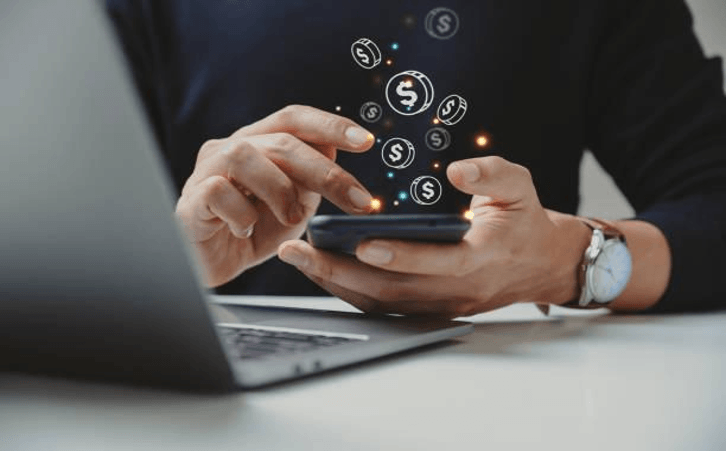
Digital payments have become part of ordinary life. People tap phones at cafés, split bills through apps, subscribe to streaming services, and move money between accounts without visiting a branch. The technology behind these actions often feels invisible, but it has changed how consumers think about speed, convenience,e and control.
Fintech has pushed payments from a slow administrative task into a smoother daily habit. The best payment experiences now feel simple on the surface while handling security, verification,n and processing in the background.
Convenience is now the baseline
A few years ago, fast digital payments felt impressive. Today, users expect them. Whether someone is buying groceries online, booking trans, port or topping up an entertainment account, they want the process to be quick and clear.
This trend has been influenced by mobile wallets, banking apps, and subscription-based platforms. After people come to expect immediate confirmation and saved payment preferences, they tend not to be as forgiving when they have to wait for slow forms or do not know how long the processing took.
Digital entertainment has followed the same pattern. A user exploring a $20 deposit casino Australia option may be focused on a smaller starting amount, but the payment journey still needs to feel transparent, secure, and easy to understand.
Convenience does not translate to speeding up users. It’s about eliminating the noise and making essential information easily seen.
Security has become part of the user experience
Security wasn’t a thing of its own once. Security was once separate from design. It occurred out of the way, or only when a mistake was made. It’s all changed with modern fintech. Users now have expectations for security to be integrated into the journey, but not into making it difficult for them to make transactions.
A payment flow that’s good will be a mix of protection and usability. It can consist of multi-factor authentication, device recognition, biometric approval, al or risk-based checks. The user can only see what is necessary to make him or her feel secure, but not so much that he or she feels overwhelmed.
Strong payment experiences usually include:
- Clear transaction confirmation
• Secure authentication steps
• Simple error messages
• Visible payment limits
• Account activity notifications
• Easy access to support
• Transparent processing times
When these elements are handled well, security becomes a reason for confidence rather than a source of frustration.
Smaller transactions need just as much clarity
Large transfers or business payments are not the only aspects of Fintech. Some of the common activities that we do are small. People go into the bank to pay for parking and make deposits on transport cards, order a meal, or make small entertainment deposits. These low-dollar payments require proper design.
Indeed, it may be necessary to make more small transactions, making clarity even more crucial. The user must always be aware of what he/she is paying, when the payment is processed, and if there are any conditions attached to the payment.
This is particularly important for businesses, as they can steer clear of ambiguous payment screens. No user should be forced to speculate on the success or failure of a transaction, or on the need for further transactions. You can minimize uncertainty with confirmation messages, receipts,s and account histories.
A clear payment flow should answer:
- How much is being charged?
- Which payment method is being used?
- Has the transaction succeeded?
- Are there any fees?
- Where can the user review the payment later?
These basics build trust across every digital sector.
Mobile wallets changed payment behavior
Mobile wallets have transformed payments to be quicker and more intuitive. The users can tap, scan a fingerprint, or scan a face in exchange for approving transactions, which means that the card details don’t need to be typed over and over again. It has helped to ease shopping, travel, subscription, app use, etc.
The mobile wallet craze has also made other platforms expect to be as popular. Making a payment is now second nature to users. When one app gets approval quickly and securely while the other has to be entered multiple times manually, the latter seems like an outdated experience.
Mobile-first payment design should focus on:
- Large, readable buttons
• Clear fee and amount details
• Minimal form fields
• Strong authentication
• Fast confirmation screens
• Responsive support links
It takes more than just speed. It is confidence. Each step of the payment process will run more smoothly if it feels like a predictable step.
Fintech is improving budgeting tools
A key fintech innovation that’s been most beneficial is increased transparency of spending. In the banking apps, purchases are now categorized, transaction history is displayed, and there are alerts set. Recurring payment tracking and patterns are identified using budgeting applications.
This is important as digital payments may appear less real than cash. A tap or click is simple – sometimes too simple. With improved fintech tools, users can now make connections between payments and their budgets.
Budget-conscious users benefit from features such as:
- Spending alerts
• Transaction categorisation
• Daily or monthly limits
• Subscription reminders
• Instant balance updates
• Easy statement access
The features help in improving decision-making. They assist individuals to enjoy digital convenience without compromising their financial management.
Entertainment payments require extra care
When it comes to the dollar spent on leisure, it can seem like a relaxed, fun budget, but it should have its guidelines, too. This is about games, streaming services, and online shopping, as well as casino entertainment. Digital payments are easy and should not make people more inclined to spend without giving it a second thought.
Responsible payment design involves making costs transparent before action is taken for entertainment platforms. The users should have the ability to place limits, check transactions,a nd stop and reconsider spending.
Healthy entertainment payment habits include:
- Set a budget before starting
• Keep leisure spending separate from essentials
• Avoid repeated payments made on impulse
• Review transaction history regularly
• Use platform limits where available
• Stop when spending no longer feels comfortable
Fintech tools can support these habits by making account activity visible and easy to manage.
Faster payments also need better support
Speed is a good thing, but there is a need for people to be assisted when things go wrong. If the payment is not successful, if the payment is a duplicate,e or if it is delayed for one reason or another, it can seriously erode trust. That is why it’s important that support is embedded in the payment journey.
An effective support design will provide clear and plain language error messages, clearly defined next steps, and convenient access to support channels. A simple message that it is not possible to carry out the transaction is not sufficient. Users must determine if they should repeat the task or use another technique/approach, or reach out to support.
Payment support should be:
- Easy to find
- Specific to the issue
- Written in plain language
- Connected to transaction history
- Consistent across mobile and desktop
This turns a frustrating moment into a manageable one.
The future of payments is controlled convenience
Fintech is enhancing payments for all, making them more streamlined, understandable, and secure. The very best payment systems don’t just cut down on clicks. They not only help the user understand what’s going on, but also keep them in control of their finances.
Trust will rely on clarity more than innovation, as trust will be key to the growth of digital payments in shopping, travel, bankin,g and entertainment. Convenience is what people want, but they want the confidence, as well. When it provides both, it’s Fintech’s success.
Popular on OTW Right Now!


About The Author

Gagan Bhangu
Founder of otechworld.com and managing editor. He is a tech geek, web-developer, and blogger. He holds a master's degree in computer applications and making money online since 2015.