
How Dashcam and Telematics Data Is Reshaping Car Accident Evidence
The data behind modern vehicle accidents looks nothing like it did a decade ago, and nowhere is that shift more dramatic than in commercial trucking. Dashcams, vehicle telematics systems, and Electronic Logging Devices are now standard equipment across the commercial fleet industry. That shift is fundamentally changing what “evidence” means in a serious crash case. This is precisely the terrain Houston truck accident lawyers at Sutliff & Stout work in daily, since commercial vehicles generate a volume of digital evidence that passenger cars don’t.
Here’s what the data shows, and why it matters.
Electronic Logging Devices are federally mandated on most commercial trucks. The FMCSA has mandated that most of the commercial vehicles operate ELDs since 2017 so drivers’ logs are now automatically captured and stored. The FMCSA has required most commercial vehicles to be equipped with ELDs since 2017, eliminating the need to record drivers’ hours on paper logbooks, which were often falsified. This data is a direct record of the total time that a driver is behind the wheel, which is a clear indicator of any Hours of Service violations stemming from driver fatigue – one of the most prevalent causes of serious trucking accidents.
Event Data Recorders exist in nearly all modern commercial and passenger vehicles. These are sometimes referred to as the ‘black box’ in a vehicle, documenting vehicle speed, braking, and steering actions in the moments leading up to an accident. An EDR isn’t like a dashcam in that the vehicle owner has to install anything; it is built into the onboard computer, so the data can be there without either party knowing.
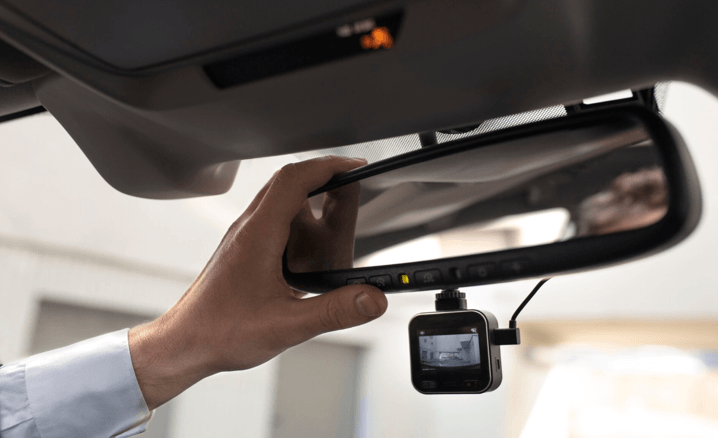
Dashcam adoption has surged across both passenger and commercial fleets. In commercial trucking, a forward- and inward-facing dashcam is an essential fleet management tool, and footage can clearly show whether a driver was distracted, tailgating, or breaking traffic laws in the seconds leading up to an accident.
Telematics data from fleet management systems adds another layer entirely. Commercial trucking companies monitor vehicle speed, braking history, routes, and maintenance history on an ongoing basis. Not only can this data show what’s occurred in one crash, but a pattern of crashes, a driver who has been speeding numerous times, or a truck that has been involved in numerous crashes that were not addressed.
The problem: this data has a shelf life. ELD and telematics information can be recorded over by future driving activity and truck companies do not have to keep information for an unlimited period without a specific legal request to preserve. That’s why attorneys who deal with commercial vehicle cases rush to issue spoliation letters requiring a carrier to preserve all electronic data, which can be deleted by regular data cycling.
Metadata matters as much as the footage itself. A video file or data log with no metadata, timestamp, GPS data, device information, etc., is much easier for opposing counsel to challenge for authenticity. In and of itself, this fact is often the deciding factor in whether this digital evidence is preserved with metadata and whether it will be admissible and reliable in court action against a well-resourced trucking company defense team.
Chain of custody is the piece most people overlook. It’s not enough to have the data; you need the right data. It is necessary that there be a documented, uninterrupted chain of custody from the time it was extracted until it is used in a claim or courtroom. Loopholes in that chain allow other sides to challenge the evidence, suggesting it may have been tampered with or is otherwise suspect, and are a tactic popular with well-funded commercial defense teams.
Why multi-party liability makes this evidence even more critical
Unlike a typical 2-vehicle collision, commercial truck accident cases often can involve multiple potentially liable parties: the driver, the trucking company, possibly even another maintenance company or loading company. ELD, EDR, and telematics data can help identify which party is truly at fault: Was a driver’s rest period skipped? Was the company dispatching the driver under too much pressure to violate rest?
How Insurers and Plaintiffs’ Attorneys Are Adapting Their Investigation Process
Since the advent of digital evidence, the process of handling a commercial vehicle case has been vastly different and different on day one for both parties. Rather than involving the police first and canvassing for witnesses, the investigation often starts with a formal letter of evidence preservation, sent to the trucking company within days of a crash, requesting preservation of all ELD records, dashcam video, telematics logs, and maintenance data from the truck. Increasingly, courts have found that a party’s destruction or loss of evidence it owes a duty to preserve can be grounds for sanctions or jury instructions, lending teeth to preservation letters.
The Growing Role of Third-Party Data Providers
Many commercial fleets send their telematics data to a third party instead of storing it solely in-house, and sometimes a subpoena must reach a data management company rather than the trucking company. This introduces a wrinkle for lawyers who are not accustomed to commercial litigation, which may be missing the data source if they only ask the carrier for records.
What Happens When Data Contradicts a Driver’s Statement
A direct use of this data is when it conflicts with the driver’s own version of the events that led to the accident. When the EDR shows a driver was traveling at the speed limit when interviewed by police, the information can be used to prove that the person was actually driving much faster immediately before the crash. The contradiction does not just impact the evidence’s ability to resolve the particular factual question; it can impact the jury’s perception of the driver’s credibility as a witness on all the other questions that they hear in the case, which is one of the reasons this evidence has such a high strategic value.
What this means
If you’re involved in a commercial vehicle accident these days, there’s a high likelihood of digital evidence, whether it’s from the truck’s ELD, EDR, onboard dashcam, or a fleet telematics system. The question shifts from “Is there evidence of this?” to “Can it be preserved, authenticated, and used before it’s wiped away by the trucking company’s everyday data retention cycle?” The reason for that is that when there’s a commercial vehicle crash, you can’t wait weeks to talk to an attorney; you need to act fast, and that’s what makes the difference in the strength of your claim.
Popular on OTW Right Now!




About The Author

Gagan Bhangu
Founder of otechworld.com and managing editor. He is a tech geek, web-developer, and blogger. He holds a master's degree in computer applications and making money online since 2015.