
How Artificial Intelligence is Helping Teachers Save Time on Grading
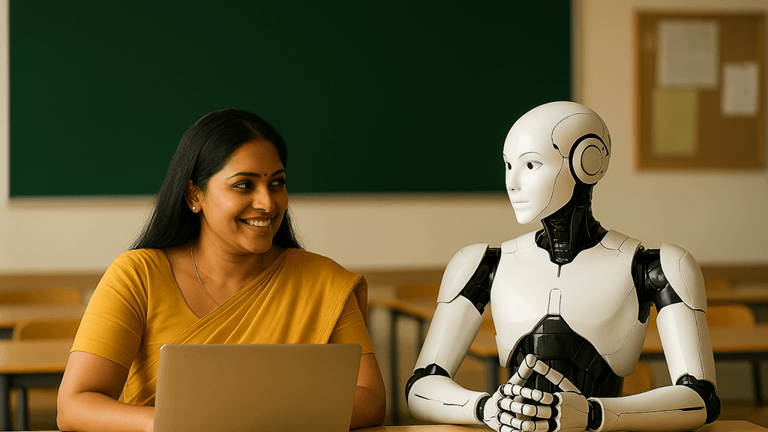
Teachers today are constantly stretched thin. With lesson planning, classroom management, and parent communication, it’s difficult to find time to grade assignments, which often means working late into the night. Grading is critical to the growth of a student,t but hours spent on grading take a huge toll. Teachers are facing a new reality in education, where AI is becoming a game-changer. For teachers, the landscape of education is rapidly changing with the advent of AI. It enables them to focus on teaching, instead of endless paperwork.
Seamless Integration With Existing Classrooms
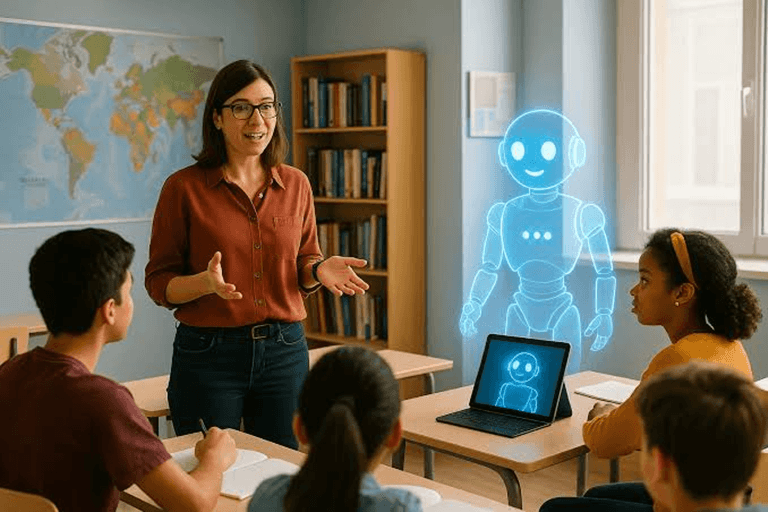
A major challenge to new technology is the complex installation procedure. However, modern AI grading software is designed to work directly with the systems schools already use. Popular platforms such as Canvas and Microsoft Teams can be easily integrated. Popular platforms such as Canvas and Microsoft Teams can be easily integrated. Class lists and assignments are synced with one click. Data does not have to be keyed into the student data system, nor does a set of individual files have to be transferred. Time to pull in assignments and push out grades can be virtually instant, with no paperwork to be done each week.
Evaluating All Types of Assignments
Not all student work is typed on a computer. The teachers assign different kinds of assignments, including math problems, handwritten essays, etc. It’s easy to manage all these with the best platforms. Students can handwrite their work on these advanced systems, which are capable of scanning and reading the students’ handwriting with the automatic identification of the student’s name and automatic evaluation of the content. The technology accurately reads a printed and/or written document, such as a short-answer quiz or scanned math test. This flexibility would enable teachers not to have to change their approach to teaching the software or limit their assignments to one part of the software.
Providing Personalized and Editable Feedback
As much as it is crucial to get the final score, it is essential to provide useful feedback to students. Artificial Intelligence assesses each submission using a custom rubric created by the teacher. It applies some criteria to the work and provides feedback in detail to the student. What’s most important here is that the teacher stays 100 percent in control. The suggested grades and comments can be used to review the work by the educator and will be modified if needed prior to returning to the student. This enables teachers to give individualized, fair, and consistent feedback to any student without having to write their own feedback comment.
Identifying Learning Gaps Quickly
In addition to marking papers, AI can also provide insights into the performance of the entire class. The system can flag and instantly detect common errors and overall deficiency in learning when it is used to grade a bunch of assignments. The teacher will be alert to any concept in math that most students have trouble with or any thesis statement. Some even come with an AI teaching assistant to generate retest quizzes or notify parents. Real-time data allows teachers to make immediate adjustments to their lesson plans and provide targeted assistance to those who need it.
Conclusion
There are more things the teacher needs to do than ever before, and grading doesn’t have to be a work of drudgery. Teachers can save a lot of time marking student work by making use of smart technology now! The software provides consistent scoring, detailed feedback, and useful class insights, and yet keeps the teacher in control of the final score. As grading speeds up and becomes more efficient, teachers will be able to spend more time on what they excel at – inspiring and educating the next generation.
Popular on OTW Right Now!



About The Author

Gagan Bhangu
Founder of otechworld.com and managing editor. He is a tech geek, web-developer, and blogger. He holds a master's degree in computer applications and making money online since 2015.