
Grease Pump: A Complete Guide to Efficient Lubrication Systems
In industrial, automotive, agricultural, construction, and manufacturing environments, proper lubrication is essential for keeping machinery running smoothly. One of the most important tools used for delivering lubricants accurately and efficiently is the grease pump. Whether used in a small workshop or a large industrial facility, a grease pump helps reduce friction, prevent wear, and extend the lifespan of critical equipment.
This comprehensive guide explores what a grease pump is, how it works, its types, applications, benefits, and key factors to consider when selecting the right grease pumping system.
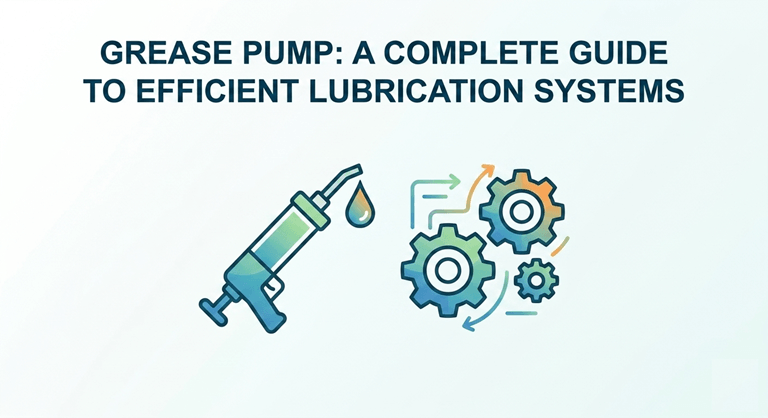
What Is a Grease Pump?
A grease pump is a mechanical or pneumatic device designed to transfer grease from a container or reservoir to machinery components that require lubrication. The pump delivers grease under pressure through hoses, pipes, or lubrication systems, ensuring that bearings, gears, joints, and other moving parts receive the correct amount of lubricant.
Grease pumps are widely used because grease is thicker than oil and cannot flow easily on its own. The pump creates the necessary pressure to move the grease efficiently to the required lubrication points.
By ensuring a consistent supply of grease, these pumps help prevent metal-to-metal contact, reduce friction, and minimize equipment downtime.
How Does a Grease Pump Work?
The operation of a grease pump is relatively straightforward. The pump draws grease from a reservoir, drum, cartridge, or container and then forces it through a delivery system using pressure.
The basic process includes:
- Grease Intake – Grease is drawn into the pump chamber from the storage container.
- Pressurization – The pump mechanism generates pressure using manual force, air pressure, electricity, or hydraulic power.
- Grease Delivery – Pressurized grease travels through hoses or lubrication lines.
- Lubrication Point Application – The grease reaches bearings, gears, bushings, or other machine components.
Depending on the system design, grease can be delivered manually, automatically, or through centralized lubrication systems.
Types of Grease Pumps
There are various kinds of grease pumps, and each of them is used for a different application or requirement.
1. Manual Grease Pumps
Manual grease pumps have to be operated by hand. These are often employed in workshops, garages, and at the office for minor repairs.
Advantages:
- Cost-effective
- Portable
- Easy to use
- No external power source required
Applications:
- Automotive maintenance
- Agricultural equipment servicing
- Small machinery lubrication
2. Pneumatic Grease Pumps
Compressed air is used to create pressure in pneumatic grease pumps for grease dispensing. They’re widely used in industrial settings where air compressors are easily accessible.
Advantages:
- High pumping efficiency
- Consistent grease delivery
- Suitable for heavy-duty operations
- Reduced operator fatigue
Applications:
- Manufacturing plants
- Heavy equipment maintenance
- Fleet service centers
3. Electric Grease Pumps
Electric GreasePumps are the grease pumps that are driven by electric motors to make the lubrication process automatic. These systems may be part of centralized lubrication systems.
Advantages:
- Precise lubrication control
- Continuous operation
- Reduced maintenance labor
- Increased productivity
Applications:
- Industrial machinery
- Automated production lines
- Mining equipment
4. Hydraulic Grease Pumps
A hydraulic grease pump is a pump that uses hydraulic power to function and is typically used in heavy-duty industrial operations.
Advantages:
- High-pressure output
- Suitable for remote lubrication points
- Reliable in harsh environments
Applications:
- Construction machinery
- Mining operations
- Heavy industrial equipment
5. Centralized Grease Pumps
An automated lubrication system provides grease to several lubrication points from one source, which is called a centralized grease pump.
Advantages:
- Automated lubrication
- Improved equipment reliability
- Reduced maintenance costs
- Enhanced safety
Applications:
- Manufacturing facilities
- Steel plants
- Paper mills
- Conveyor systems
Key Components of a Grease Pump System
A grease pump system consists of several important components that work together to deliver lubricant efficiently.
Reservoir
Grease is stored in the reservoir prior to being pumped into the system. Depending on the application and lubrication requirement, the size of the reservoirs varies.
Pump Mechanism
The pressure generated by the pump mechanism forces the grease to flow in the system. This may be done by hand, air, electricity, or hydraulics.
Hoses and Tubing
These pass grease from the pump to the lubrication points.
Control Unit
In an automatic system, control units control lubrication schedules and amounts of grease.
Fittings and Connectors
Fittings provide secure connection points all along the system and maintain a precise delivery of grease.
Benefits of Using a Grease Pump
Investing in a high-quality grease pump offers numerous advantages across various industries.
Improved Equipment Life
Enabling proper lubrication means reducing friction and wear, which promotes the efficient running of machines.
Reduced Downtime
By minimizing equipment failures and unexpected breakdowns with regular lubrication, productivity is increased.
Lower Maintenance Costs
A grease pump makes sure the correct amount of lubricant is delivered to critical parts, thereby minimizing repair costs.
Increased Operational Efficiency
Smooth operation of the equipment means a lower consumption of energy and better performance.
Enhanced Safety
Automated grease pumps leave no need to get workers into hard-to-reach or hazardous lubrication points.
Consistent Lubrication
Grease pumps are more consistent than manual methods in applying lubricant, which can lead to over-greasing or under-greasing, as it happens with manual methods.
Applications of Grease Pumps
Grease pumps are used in a wide range of industries and applications.
Automotive Industry
Grease pumps are crucial for the maintenance of vehicles, particularly when it comes to lubricating suspension systems, wheel bearings, chassis parts, and steering mechanisms.
Manufacturing
Successful lubrication is essential to industrial machinery for maximum productivity and minimum downtime.
Agriculture
Grease pumps are essential for farm machinery like tractors, harvesters, balers,s and other moving parts that operate in challenging conditions.
Construction
Grease pumps are essential to the operation of excavators, loaders, bulldozers, and cranes, providing them with the lubrication needed for the joints, pins, and bearings.
Mining
In harsh environments, such as those in which mining equipment operates, effective lubrication is essential to equipment reliability.
Marine Industry
Grease pumps are used in ships and marine equipment to lubricate and prevent corrosion and wear of moving parts from saltwater.
Energy Sector
Maintenance of lubrication in wind turbines, power generation devices, es and industrial pumps is essential for their optimal performance.
How to Choose the Right Grease Pump
Selecting the appropriate grease pump depends on several factors.
Determine Application Requirements
Take into account the type of equipment, lubrication schedule, and working environment when selecting a pump.
Evaluate Pressure Needs
The pressure will vary from application to application. High-pressure grease pumps are typically needed for heavy-duty machinery.
Consider Grease Type
The viscosity of grease influences pump operation. Make sure that the pump is suitable for the lubricant being used.
Assess Flow Rate
The amount of lubrication needed will impact the pump flow specifications.
Power Source Availability
Select manual, pneumatic, electric, or hydraulic systems depending on resources and operating requirements.
Maintenance Requirements
Look for a grease pump that is easy to maintain and offers long-term reliability.
Environmental Conditions
Pump performance can be influenced by dust, moisture, extremes of temperature, and corrosive environments. Choose a model that is suitable for the operating conditions.
Maintenance Tips for Grease Pumps
Regular maintenance is essential for ensuring optimal grease pump performance and longevity.
Inspect Hoses Regularly
Inspect hoses and fittings for leaks, cracks, or deterioration that may compromise lubrication performance.
Clean the System
Keep the pump area and pump clean to avoid contamination.
Monitor Grease Quality
Use clean, good-quality grease; never mix incompatible lubricants.
Check the Air or Power Supply
In pneumatic and electric systems, make sure that the power source is operating correctly.
Replace Worn Components
Inspect seals, valves, and fittings regularly and replace damaged components quickly.y
Follow Manufacturer Recommendations
Follow the manufacturer’s maintenance and operating procedures at all times.
Common Problems and Troubleshooting
Even the best grease pumps can encounter issues. Some common problems include:
Low Grease Output
Possible causes:
- Empty reservoir
- Blocked hoses
- Worn pump components
Air Entrapment
Air trapped in the system can disrupt grease flow. Bleeding the system often resolves the issue.
Excessive Pressure
Pressure buildup can occur due to clogged lubrication points or damage to the lubrication lines.
Grease Leakage
Leaks can happen because of damaged seals, loose fittings, or worn hoses.
These can be addressed in a timely manner through regular inspections and preventive maintenance to prevent the issues from affecting equipment performance.
Future Trends in Grease Pump Technology
Modern lubrication technology continues to evolve, making grease pumps more efficient and intelligent.
Emerging trends include:
- Smart lubrication systems with IoT connectivity
- Remote monitoring and diagnostics
- Automated lubrication scheduling
- Energy-efficient pump designs
- Predictive maintenance integration
These innovations contribute to the reliability of equipment, lower maintenance expenses, and equipment downtime.
Conclusion
In today’s lubrication systems, a grease pump is an essential component that helps deliver the right quantity of grease to the machinery to ensure its smooth functioning. Whether it’s a simple manual grease gun or a sophisticated centralized lubrication system, grease pumps are vital in minimizing friction, wear, and equipment life.
Knowing the various types of grease pumps, their uses, and maintenance needs can help companies choose the best grease pump for their operations. In any automotive workshop, manufacturing facility, construction site, agricultural farm, or mining operation, a dependable grease pump plays a vital role in the performance, productivity, and cost savings of the equipment it serves.
In an era marked by industry’s ongoing drive towards automation and intelligent maintenance solutions, grease pump technology will be a crucial component in the quest for efficient and reliable machinery lubrication.
Popular on OTW Right Now!

About The Author

Gagan Bhangu
Founder of otechworld.com and managing editor. He is a tech geek, web-developer, and blogger. He holds a master's degree in computer applications and making money online since 2015.